
Inspecting Floors and Transitions in a Saudi Home
Inspect visible floor finishes, joints and room transitions in a Saudi home, recording limitations, product information and repair questions.
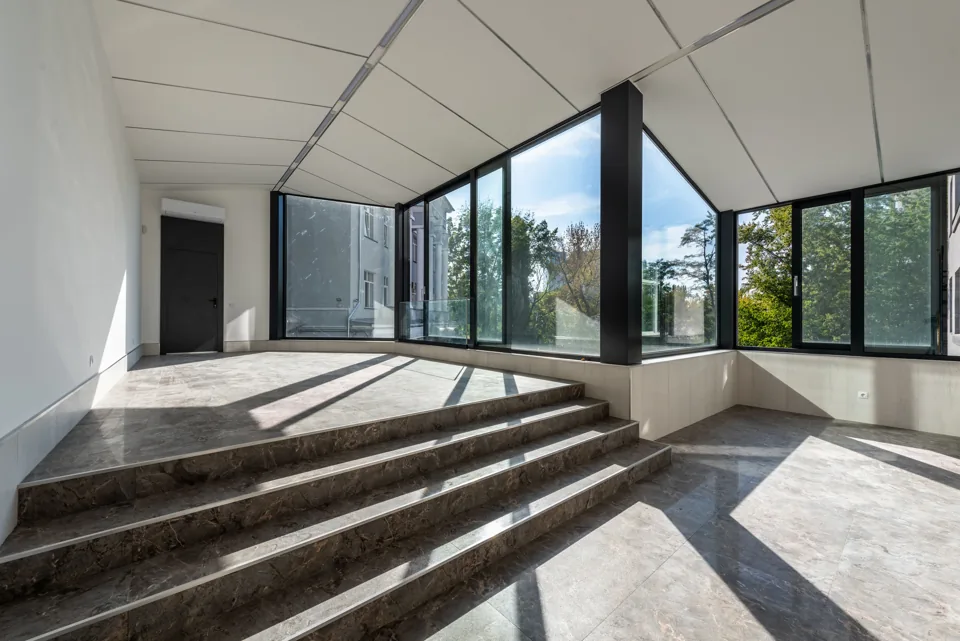
Inspecting floors in a Saudi home starts with identifying the visible finish, the places where it changes and the condition you can actually observe during an authorised viewing. Record chips, lifting edges, gaps, stains and awkward transitions by room and location. A polished surface or attractive tile pattern does not establish the condition of the layers underneath, structural performance or a tested slip rating.
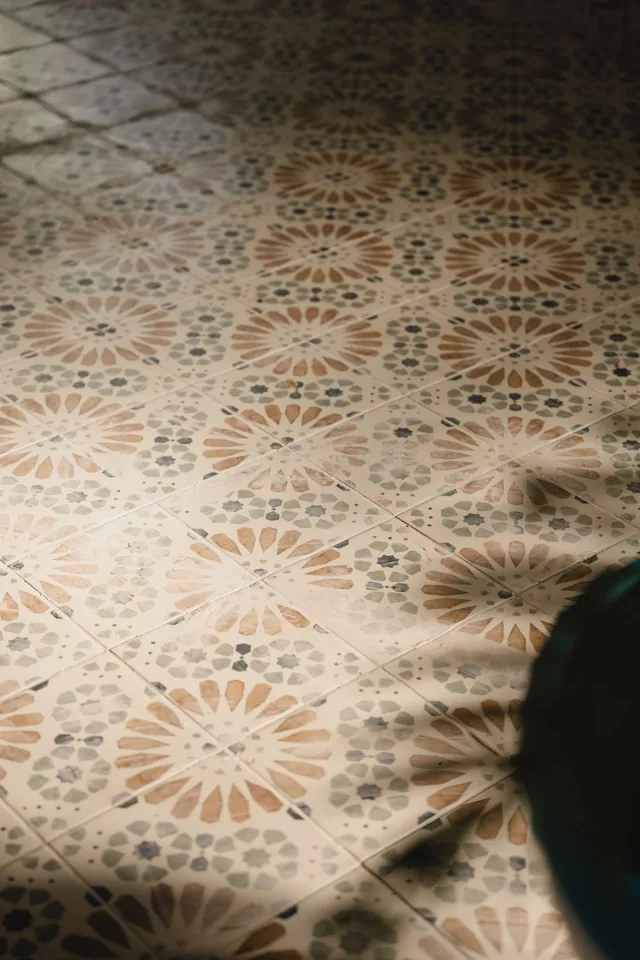
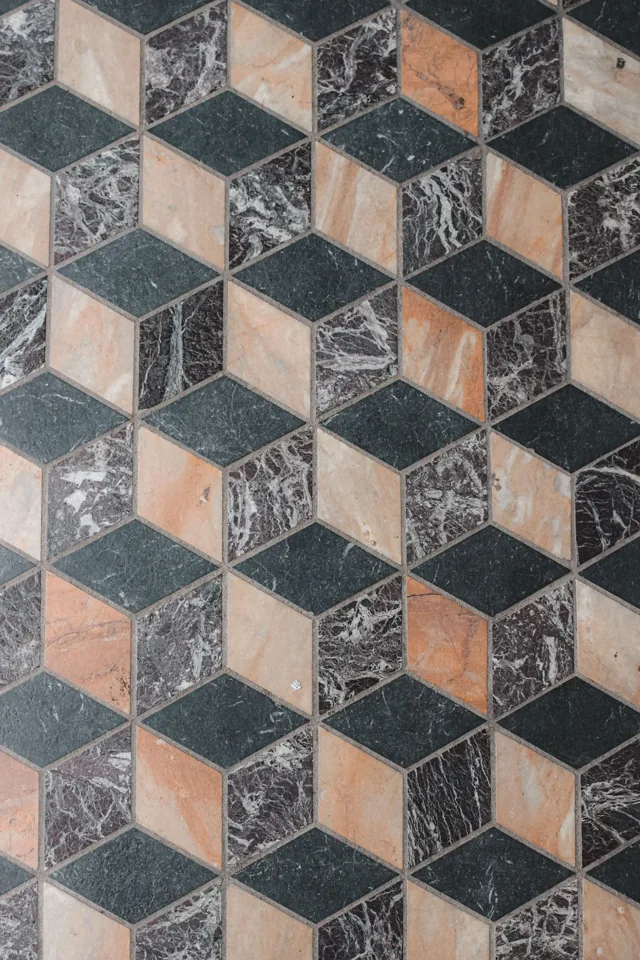
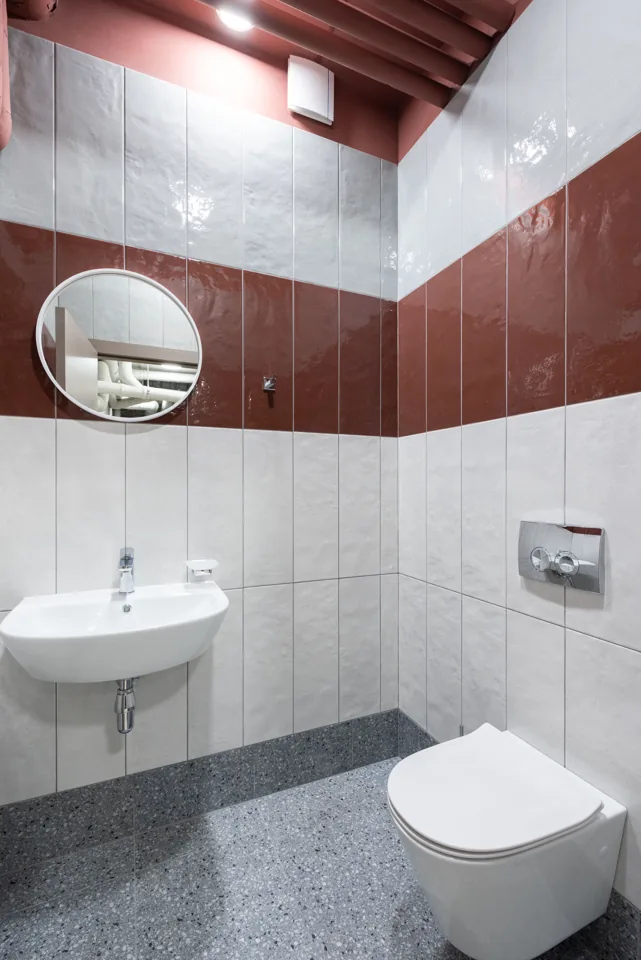
Use this guide to build a finish-and-transition record that can be reviewed with the seller and, where needed, a qualified inspector or flooring specialist. It does not provide Saudi compliance dimensions, a structural diagnosis or an instruction to remove finishes. The photographs are illustrative examples of floor patterns, steps and bathroom finishes; they are not photographs of a Saudi property for sale or proof of a particular material’s performance. The aim is a clear account of what was visible, what was inaccessible and what still needs evidence.
Begin with a room-by-room finish schedule
Give each room a simple reference that will still make sense after the viewing. Record the visible finish and whether its exact material is confirmed by documents or only described by appearance. A wood-look surface may be a printed finish rather than timber. A stone-like pattern cannot identify the product, installation method or care requirements by itself. Write the seller’s description as a description until it can be matched to product information.
Note where the finish begins and ends. A continuous visual pattern may cross several rooms, but a doorway, repair patch or enclosed area can introduce a different assembly. Record any room that could not be entered and any significant area hidden beneath a rug or furniture. An incomplete schedule is still useful when its gaps are explicit; a statement that all flooring is satisfactory would conceal those same gaps.
Keep the record connected to the wider property viewing checklist. The viewing guide organises the whole home. This schedule adds enough detail to distinguish a living-room observation from an issue at a bathroom entrance, without turning every flooring note into a separate general property report.
Look at edges and joints as well as the centre
The centre of an open room is often easiest to photograph. Also observe accessible edges, corners and joints without moving heavy objects or dismantling trim. Note a chipped edge, visible gap, lifted corner or damaged strip in ordinary language. Record its location and approximate visible extent, while leaving cause and repair scope for appropriate assessment.
Compare the observation with the surrounding area. Is the mark isolated, repeated along a doorway or visible in several rooms? A pattern helps decide what follow-up to request, but it is not a diagnosis. A crack visible in a tile does not establish the behaviour of the structure beneath it. Likewise, an undamaged tile surface cannot verify concealed moisture, substrate condition or workmanship.
Photograph one wider view and one detail where permission allows. The wider view should show how to find the location again. The detail should show the observation clearly, without relying on a dramatic angle to imply its significance. Retain both with a short written description so that an inspector or seller can identify the same place even when furniture or lighting changes before the next appointment.
Record transitions on the routes you will use
A transition is a place where one finish, level or assembly meets another. Walk the normal authorised route between the entrance, main living space, bedrooms and bathroom. Note the junctions, strips and changes in level visible on that route. Keep steps distinct from a small finish junction; they are different features and should not be described through the same vague word uneven.
Consider how the route would be used with normal household items. An edge near a door may become more significant when the door moves, a mat is added or furniture narrows the approach. Do not test a junction by dragging objects across it or deliberately trying to trip. Record the configuration and ask for closer assessment where it matters to your household.
The home accessibility guide addresses the complete route and the person using it. This floor record identifies the junction itself. No photograph or approximate viewing measurement should become a promise that a mobility device will pass safely or a statement that a transition complies with a particular requirement. Those questions need the actual dimensions, use and competent review.
Check how door movement relates to the finish
Observe accessible doors opening and closing normally with permission. Record whether the visible finish, a raised edge or a mat affects the movement you actually see. Distinguish an issue with the door from an issue at the floor junction. A door scraping in one position does not by itself establish why the junction has changed or which component needs repair.
Keep photographs tied to the door’s reference and the floor schedule. A close-up of a threshold can be difficult to interpret without knowing which side of the opening it shows. Note whether the door was open or closed and whether removable items were present. This small amount of context prevents a later discussion from becoming a disagreement about a different opening or a different configuration.
For the door assembly, continue with the door hardware and approach review. Do not force a door, adjust hinges or cut trim during a viewing. If a proposed repair affects both the floor and door, request a scope that addresses their relationship rather than assuming that a cosmetic finish change resolves the whole issue.
Treat rugs and furniture as limits to the observation
A rug can be part of the room’s ordinary use while also preventing observation of the finish below it. Record the covered area and ask whether an authorised closer viewing can be arranged. The same applies to fitted furniture, beds, stored items and appliances. Do not move heavy items yourself or infer hidden damage simply because an area is covered.
Write the limitation precisely. For example, the finish beneath the main living-room rug was not visible at this appointment is more useful than floor not checked. It identifies the missing portion while preserving observations of the accessible surrounding floor. A later appointment can then address the same gap without requiring the reviewer to reconstruct the entire room from memory.
If the seller supplies older photographs, record their date and the area shown. They can provide context, but they do not replace a current observation of the concealed area. Changes in furniture position, lighting and image compression can make small defects disappear or appear stronger. Keep the source of each observation visible in the record instead of merging every image into an assumed current condition statement.
Keep moisture observations separate from their cause
Note visible staining, swelling, lifting or damaged joints near sinks, bathrooms and other water-use areas. Describe the appearance and location without assigning a cause from one viewing. A mark can prompt a question about history and repairs; it cannot prove the origin, duration or current status of a leak. An apparently dry surface at the appointment also does not demonstrate that an earlier issue has been resolved.
Ask for available records of relevant work and whether the floor finish was replaced or retained. Keep the stated date, scope and responsible party with the observation. A verbal assurance that the room was repaired is difficult to compare with a specific invoice or inspection record unless the same location and issue are identified.
Use the existing water and plumbing inspection guide for the wider water-system questions. Do not create a leak test by flooding the floor, blocking drainage or applying cleaning chemicals. Moisture measurement and diagnosis require an appropriate method and competent interpretation. The floor schedule should identify where that assessment is needed, rather than pretending to provide it.
Obtain product information before planning care or repairs
Ask whether the exact product, supplier, installation date and available care instructions can be identified. Different products that look similar can require different treatment. A seller’s recollection may help find the documentation, but a brand name alone may not identify the range, finish or installation method used in the room you are considering.
As one product-specific example, Tarkett’s laminate care page, checked on 9 October 2026, distinguishes routine cleaning from practices that can damage its laminate and warns against standing liquid and dragging furniture. That manufacturer reference does not identify the flooring in an offered Saudi home. Use the instructions for the actual product instead of transferring advice across all wood-look or stone-look finishes.
Keep maintenance enquiries separate from repair authorisation. A buyer’s viewing is an opportunity to observe and request evidence, rather than to experiment with solvents, abrasives or polish. If the product cannot be identified, record that uncertainty when discussing future upkeep. Avoid accepting a universal cleaning claim that ignores the material, finish and instructions applicable to the installed surface.
Ask about replacement scope and visual matching
A small visible defect can lead to a repair question that extends beyond the damaged piece. Ask whether matching spare material exists and whether its identity can be documented. A similar colour in a photograph does not establish that replacement pieces will match the installed floor under the room’s lighting. Keep availability as an enquiry, not an assumed fact.
A proposed quotation should identify the area, material and work included. Does it address only a surface item, a junction or a wider assembly? Ask which observations support the proposed scope and which uncertainties could change it. This is particularly useful when a seller offers to repair an issue before completion: the description should allow the buyer to recognise what was agreed and what remains outside it.
Do not estimate a universal Saudi replacement cost from this article. There is no price schedule, service interval or product recommendation here. Retain the actual quotation date and exclusions with the decision. A low headline amount can omit preparation, adjacent trims or other work, while a larger amount may describe a different scope. Comparing those figures requires the scope before the total.
Make the finish log useful at the next appointment
Organise each entry around room, exact location, visible observation, evidence and next question. Give the entry a stable number. If the issue is later addressed, add the response and subsequent observation to that entry rather than deleting the original. The history should show what changed and which evidence supports the update.
For example, an original illustrative entry could describe a lifted strip at the bedroom doorway, a wide photograph showing the opening, a detail photograph and a request to identify the installed product and proposed repair. The example does not assign a cause or suggest that every lifted strip has the same significance. Its value is the clear path from observation to a question that someone can answer for the actual location.
If several people review the home, agree on the room references first. Two reviewers can use different words for the same finish without disagreeing about what they saw. Stable references make it possible to compare notes and direct a specialist to the right place. Keep a distinction between not observed, observed without concern and unresolved concern; combining them into one tick box loses the information needed for follow-up.
Questions to resolve before relying on the floor review
Does an attractive finish mean the floor assembly is sound? Appearance describes what you can see. It does not establish the concealed layers, moisture condition or structure. If a technical conclusion affects the decision, obtain the relevant qualified assessment and retain its scope. Do not describe a general home viewing as a structural inspection merely because flooring was observed.
Can the seller’s repair promise close an entry? A promise identifies a proposed response. The entry becomes more useful when the agreed work, responsible party and evidence of completion are connected to the same location. Any transaction-specific requirement should be reviewed through the appropriate documents and professional channels; this guide does not establish a contractual remedy or a legal deadline.
What should you take away from the viewing? Keep the room schedule, photographs where permitted, current product information, recorded limitations and a short prioritised question list. Identify the matters that affect ordinary movement, expected care or the scope of further assessment. Then use the next authorised appointment to resolve the important gaps. A useful floor review is a precise record that supports a decision, rather than an unsupported declaration that every surface is perfect.
Sources and review
- Tarkett: How to clean and maintain laminate floors — reviewed 9 October 2026. Manufacturer-specific laminate care context, not identification of the offered floor, Saudi compliance or a universal repair instruction.