
Taif Roses: Cultivation, Distillation and Living Heritage
Understand Taif rose cultivation, seasonal work, distillation and living heritage, with dated sources and thoughtful questions for an authorised visit.
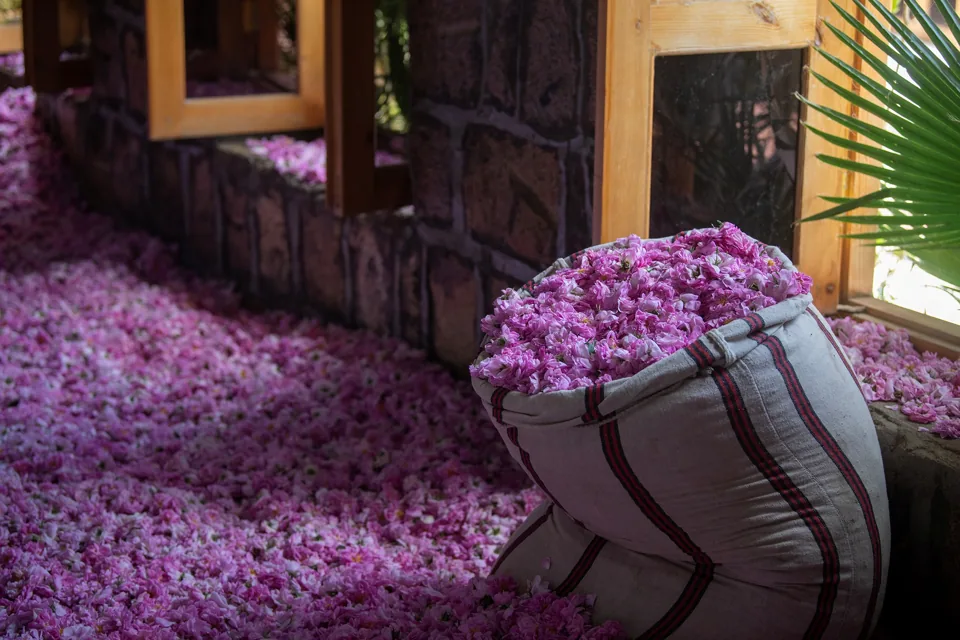

Taif roses are best understood as a living practice connecting cultivated plants, seasonal work, distillation, products and the people who pass the knowledge on. Looking only at a flower photograph misses much of that story. A useful visit or reading follows the rose from the growing place to the work behind a finished bottle, while keeping the season, product and source of each claim clear.
This guide focuses on Taif’s rose culture and ways to understand it thoughtfully. It does not announce a current harvest, festival date, farm opening time or bookable visit. Sources were reviewed on 9 October 2026. Two photographs show collected Taif roses identified by their source; the other rose photographs are botanical illustrations whose variety and location are not established as Taif. Their captions preserve that distinction. None of the images identifies a property offer or supports an investment return.
Locate the practice within Taif’s wider landscape
A Saudi Press Agency feature dated 11 February 2024 places rose cultivation around Al Hada, Al Shafa, Wadi Muharram and surrounding areas of Taif Governorate. These place names provide context for the agricultural story. They should not be read as a claim that every point in those areas is a rose farm or that every farm is open to visitors.
When researching a particular place, separate the farm’s growing area, production premises and any visitor entrance. They may answer different questions. A scenic photograph can establish an appearance at one location and time, while a current operator’s information is needed to establish an authorised visit. A map label alone does not provide permission to enter a working field or production area.
The existing Al Hada and Taif mountain-visit guide develops the wider travel context. Rose culture adds a more focused way of reading the landscape: ask what is being grown, which work is taking place and how that work connects to the product or demonstration you are seeing. Avoid treating the whole governorate as one uniform visitor attraction.

Read the season as a working cycle
UNESCO’s description of cultural practices related to Taif roses records winter cultivation tasks and a harvest beginning in March, lasting approximately thirty-five to forty-five days. The 2024 SPA feature describes a roughly forty-to-fifty-day season. These are published descriptions of the practice, rather than a verified timetable for a particular farm in a future year. The differing ranges should remain visible rather than being converted into one guaranteed opening date.
The distinction matters when planning an experience. A bottle can be sold outside the harvest period, while watching fresh flowers arrive depends on the actual working cycle. A production demonstration can also differ from that day’s processing of a fresh harvest. Ask the operator which activity is being offered and whether it is seasonal, scheduled or simply a display of equipment.
For an October reader, this guide is preparation and cultural context. It does not establish that fields are flowering now. Before travelling specifically for harvesting, obtain current information for the intended date from the actual operator and check relevant travel conditions. The climate and seasons topic helps organise that distinction between a recurring seasonal pattern and conditions on a chosen day.
Notice the work beyond the visible blossom
UNESCO’s account includes preparation, pruning, planting cuttings and early-morning picking. Those named activities explain why the flower is part of a working practice rather than merely decoration. A photograph of collected blossoms captures one visible stage. It cannot show the full year’s work or establish how a particular farm organises it.
A thoughtful observer can ask how workers decide that a plant needs attention, what tools are used for an authorised demonstration and how material moves between stages. The answers should come from the people responsible for that farm. Do not present one visitor’s impression as a universal cultivation manual, and do not imitate agricultural or machinery work without the operator’s direction.
Look for the connection between visible choices and the next stage. A container, sorting area or work route can reveal how material is handled, but its purpose should be explained by the operator before it becomes a claim in a visitor’s notes. This makes the visit more informative without inventing a precise productivity measure or claiming expertise from a single appointment. Keep what you observed separate from what someone explained.
Understand distillation through the process being demonstrated
Visit Saudi’s rose-water account, displaying an update date of 23 May 2024, describes petals heated with water in copper vessels and vapour passing into a cooling arrangement to form liquid. This is source-backed process context. It does not identify every producer’s equipment, operating cycle or product specification, and it is not an instruction to reproduce the process at home.
When viewing an authorised demonstration, first establish which parts are operating and which are displayed. Ask where the flower material enters, what the operator identifies as the collected product and how that product is labelled. A visitor can learn a great deal by tracing that sequence without approaching hot surfaces, opening vessels or interrupting a working batch.
Keep the explanation tied to the demonstrated setup. The appearance of a copper vessel does not establish the age of the equipment or the quality of the contents. A traditional-looking display and a functioning production line can both be informative, but they are different kinds of evidence. Note the distinction in photographs and descriptions so that another reader can understand what was actually seen.
Distinguish fresh flowers, rose water and rose oil
The SPA feature distinguishes rose water, a concentrated water product and rose oil in its account of Taif production. A flower, a water-based product and an oil should therefore not be treated as interchangeable simply because their packaging or description includes the same place name. Read the actual label and ask the producer which product is being discussed.
For a visitor, useful questions concern identity and intended use. What is the product called? Who produced it? What ingredients and handling information are supplied? Is the item a finished cosmetic, an ingredient or another preparation? A cultural explanation of a traditional use does not by itself establish that a product is suitable for eating, applying to skin or using for a health purpose.
This guide makes no therapeutic, purity or comparative quality claim. It also supplies no current price or universal measure of how many flowers are needed for a bottle. Those questions depend on the actual product and the evidence supplied for it. Separating the categories allows the reader to appreciate the work without accepting an unsupported claim merely because a bottle is associated with a celebrated place.
Read heritage as knowledge shared through participation
The Taif practice was inscribed on UNESCO’s Representative List of the Intangible Cultural Heritage of Humanity in 2024. UNESCO describes learning through participation within families and training organised by community bodies. The recognition concerns a cultural practice. It is not a certification of every seller, a quality grade for each product or approval of a particular visitor business.
This distinction changes what to notice. A useful demonstration can explain how a task is learned, how someone checks their work and how responsibilities are shared. The important detail may be a small judgement that would be invisible in a photograph of the finished bottle. Ask permission before recording a person’s explanation and retain their meaning accurately rather than turning an informal conversation into an invented quotation.
Do not assume that every household follows an identical routine or that every producer tells the same story. A living practice can be described through particular people and tasks without portraying the community as uniform. Where an explanation is specific to one producer, say so. That approach respects the people carrying the knowledge while giving readers something more useful than a general claim that a destination is authentic.
Use photographs as observations with clear limits
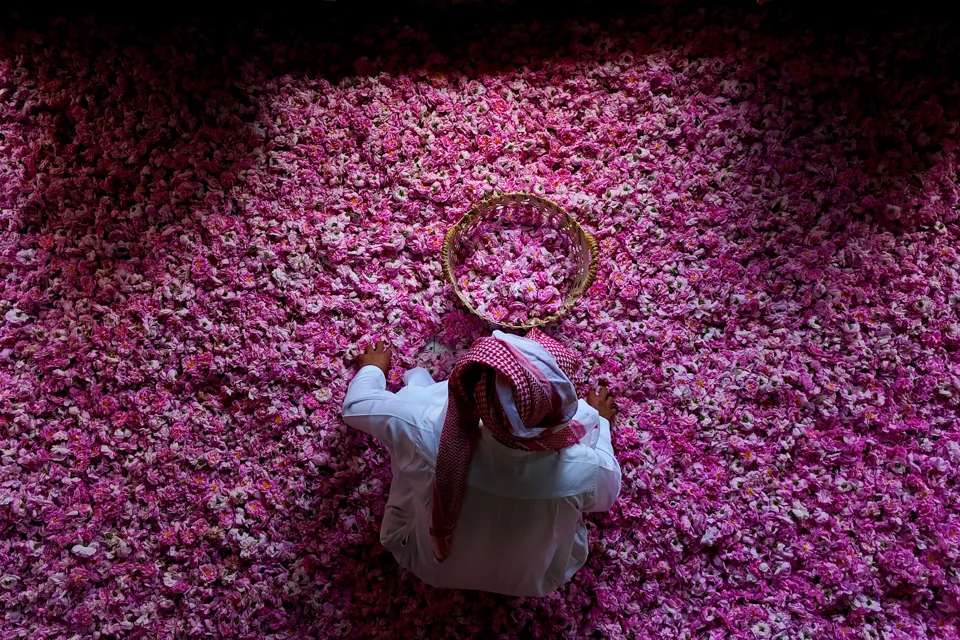
The collected-rose photographs in this guide show material at a stage after flowers have been gathered. One shows a sack and scattered blossoms; another shows a person handling roses gathered on the ground. Their visual content should not be captioned as picking directly from a bush simply because the file’s short description uses the broader word harvest.
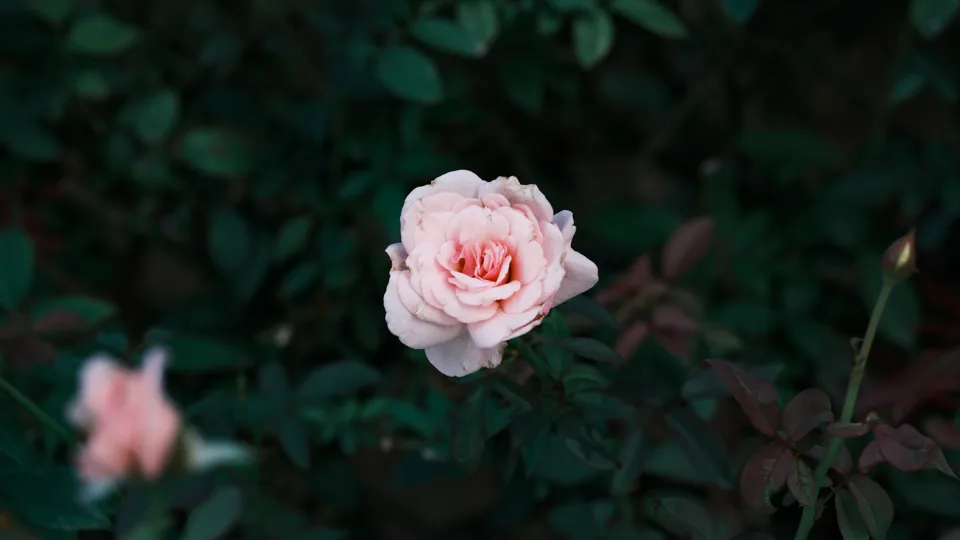
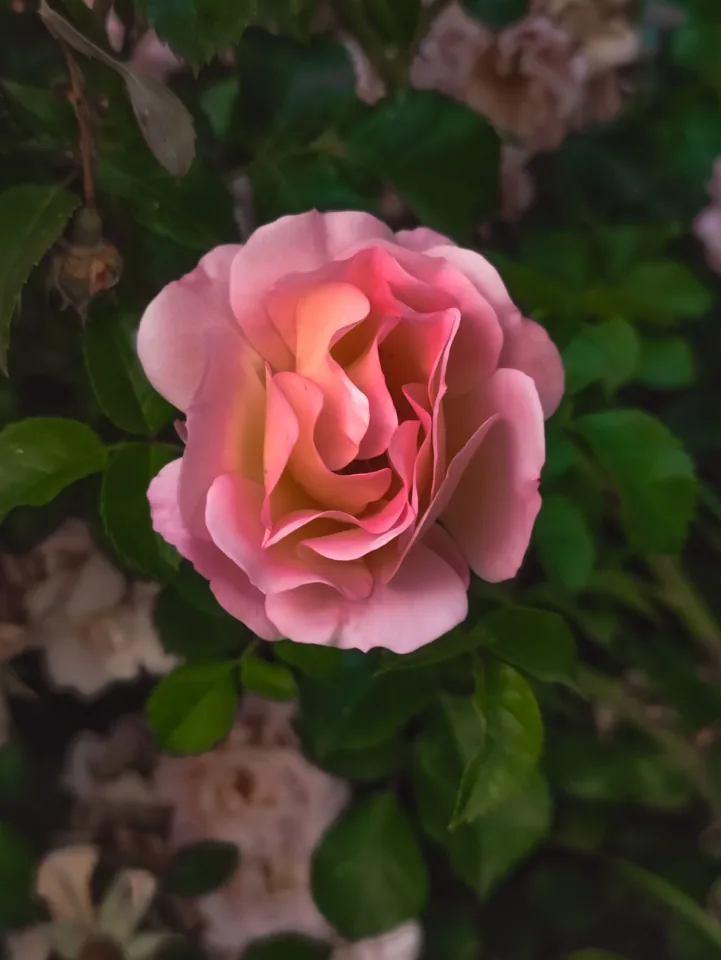
The two botanical illustrations show different pink roses with surrounding foliage. They help explain why appearance and identity need separate records. Colour and petal form in a picture cannot establish that a plant is the variety cultivated by a named Taif producer. The captions do not assign an unverified cultivar, geography, season or fragrance to those illustrations.
Apply the same discipline to your own notes. Preserve the place, date and activity that the photograph actually records. A close view of flowers can lose the context needed to distinguish a working crop, a display or an ornamental garden. A wider frame may make the situation clearer, but permission still matters when people, private premises or work processes are involved. A photograph is most useful when its accompanying description does not ask it to prove more than it shows.
Plan an authorised visit around a specific learning question
Start with the activity you want to understand. Watching agricultural work, seeing production equipment and visiting a shop are different experiences. Ask a named operator what is currently available, where visitors should enter and whether the activity needs an appointment. Do not turn an older tourism article’s hours or example into a current access promise.
Prepare a small set of questions that fit the activity. For a growing area, ask which stage of the cycle is visible. For a demonstration, ask which components are operating. For a shop, ask how products are identified and what information accompanies them. This keeps the visit focused and reduces the temptation to infer an entire industry from a short display.
Respect working boundaries and follow the operator’s current instructions. Do not enter fields, pick flowers, move containers or approach equipment because those actions make an attractive photograph. If permission or access is unclear, keep the uncertainty and choose a different authorised experience. The Saudi travel-planning topic offers broader preparation, while this guide keeps the rose-specific questions together.
Ask about products without turning culture into a sales guarantee
A thoughtful purchase can begin with a clear product identity rather than a superlative. Ask the seller to explain the label, producer and intended use. Keep that explanation distinct from a claim that an item is the best, rarest or most valuable. Cultural recognition and attractive packaging do not resolve those commercial comparisons.
Consider what you want to remember or learn from the purchase. A labelled product with an understandable origin can be a more useful reminder than a bottle whose description relies entirely on a place name. If the item is a gift, retain its own instructions and packaging. Avoid transferring an account of traditional use into advice about someone else’s health or personal suitability.
This article does not estimate industry revenue, farm returns or the economics of buying property near a rose-growing area. Older production or investment figures should not be presented as current market data. Appreciating an agricultural practice does not require a property-sales conclusion. The site’s About Saudi Arabia overview provides further cultural and place reading according to the reader’s interests.
Keep a short record that preserves what you learned
After reading or visiting, separate three kinds of note: published context, an operator’s explanation and your own observation. Published context should retain its source date. An explanation should name the relevant place or producer where appropriate and permitted. An observation should state what was visible and when. Keeping those categories separate prevents an attractive recollection from becoming a factual claim that cannot be checked.
A useful record might identify a growing place, the activity available on the visit date, the demonstrated process and the product names the operator used. It can also record unanswered questions. There is no need to fill every gap with a familiar story or a precise number from an unrelated year. The omissions tell the next researcher where fresh evidence is needed.
Taif’s rose culture becomes richer when the reader follows the work, the product and the knowledge rather than collecting flower images alone. Use the named places and source-linked explanations to prepare better questions, then refresh the practical visit details for the actual date. That combination preserves the cultural story and gives a visitor an informed way to engage with it without inventing access, product performance or market outcomes.
Sources and review
- UNESCO: Cultural practices related to Taif roses — reviewed 9 October 2026. 2024 inscription, broad cultivation calendar and transmission context; not a current visit schedule.
- SPA: Taif Roses – Fragrant Beauty that Delights — reviewed 9 October 2026. Named Taif growing places, attributed season range and product categories; old production/value figures omitted.
- Visit Saudi: Rose water in Saudi Arabia — reviewed 9 October 2026. Embedded official story read for distillation context. Hours, visitor business availability and numerical industry claims not reused.