
Saudi Off-Plan Payment Milestones: Read the Evidence
Match Saudi off-plan payment requests to the agreed unit, milestone evidence, amount and independently verified payment instructions.
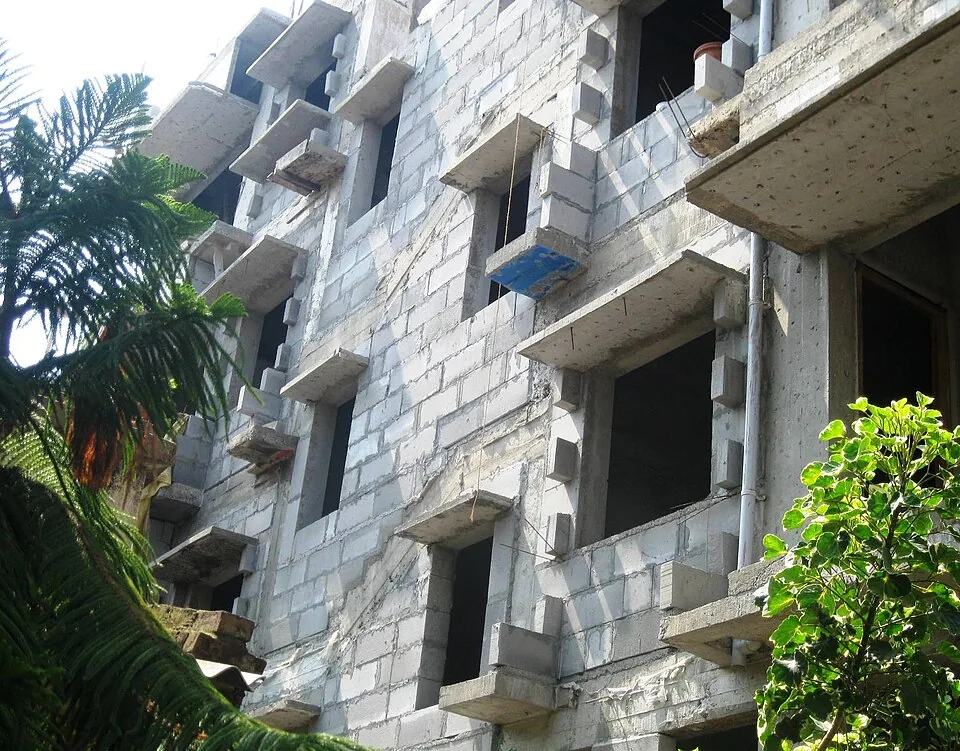

Match the payment request to the agreed milestone
For a Saudi off-plan purchase, review each payment milestone against the current agreement, the identified unit and the evidence required before payment. A construction photograph, a percentage in a sales presentation and a contractual payment trigger are different things. Establish which trigger your agreement actually uses and how the request demonstrates that it has been met. Do not infer that a visible stage automatically authorises a payment under every contract.
Start with the off-plan licence and escrow guide. Project and payment-channel verification remain essential, but this article addresses a separate question: whether a particular scheduled or requested instalment matches the reviewed milestone and the records available at that point.
Read the schedule before money is due
List each milestone using the wording in the agreement. Record the amount or calculation basis, the trigger, the notice requirements and the due-date mechanism. Some schedules may use dates, others defined progress conditions or a combination. This guide does not state that one structure applies to all Saudi projects. Your reviewer should explain the structure of the agreement you are considering.
Identify who determines or certifies the trigger and what evidence the buyer is entitled to receive under the relevant documents. Ask where that evidence will be available and whom to contact if the record is incomplete. A general statement that payments follow construction does not explain the unit, phase or evidence behind a specific request. Clarify these points before a deadline makes review more difficult.
Use the REGA off-plan sales and lease platform for official off-plan context and project-related verification through the appropriate current channels. An official project record supports a defined verification task; it does not replace review of every instalment request, contract provision or changed instruction in your transaction.
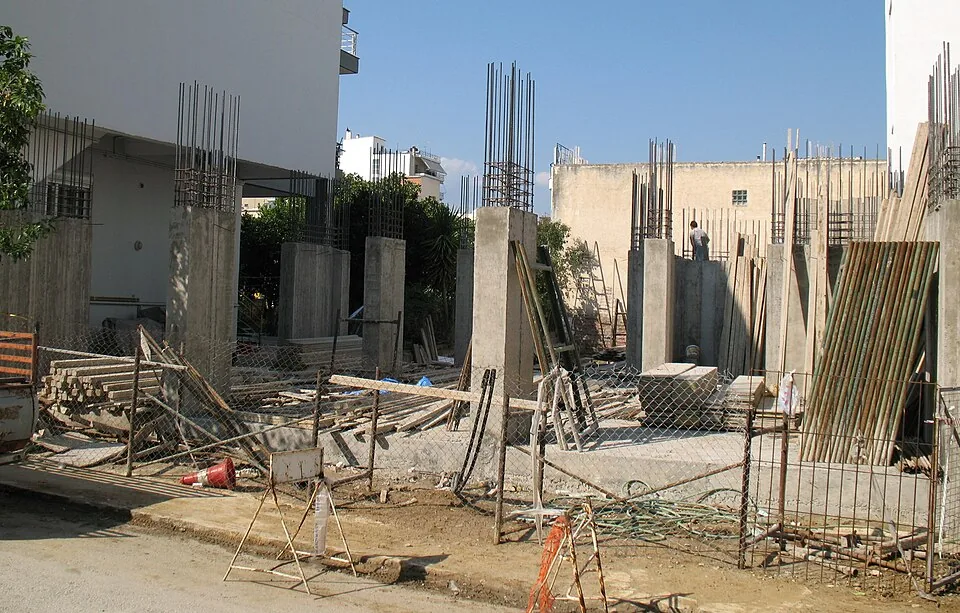

Define the project, phase and unit consistently
Check the payment request's identifiers against the reviewed agreement and project records. A development can contain several phases, buildings and units at different stages. A photograph from one building cannot be assumed to demonstrate the condition of another. Ask the sender to identify the exact subject and date of progress evidence. Preserve any uncertainty if the picture cannot be matched to the relevant scope.
Compare unit descriptions and annex versions. If the specification or unit reference changed, request the documented basis and the effect on the payment schedule. Use the off-plan specification guide to connect changes to written inclusions. Do not silently update your own spreadsheet to make inconsistent documents appear aligned.
An illustrative issue is a request referring to completion of a phase while the agreement describes completion of a named building. That difference may have a valid explanation, but it needs an authoritative answer. Record the question and the response rather than accepting that the terms are probably interchangeable.
Separate progress evidence from payment instructions
Once the contractual trigger is understood, verify the amount, beneficiary and payment reference independently. A genuine progress report does not authenticate a bank account in the same email. Use established contacts and the current official or contractual payment arrangements to confirm instructions, especially when a beneficiary, account or payment route changes.
Keep a payment calendar showing scheduled, requested, reviewed, authorised and cleared amounts as separate statuses. The completion budget guide uses the same distinction between a budgeted obligation and money actually paid. Record the receipt and any credited amount so you do not count an earlier reservation payment twice or overlook the basis on which it is credited.
For fictional arithmetic, a schedule might show a SAR 100,000 instalment while a confirmed SAR 20,000 credit is to be applied against it. The remaining amount would be SAR 80,000 only if the reviewed documents and current statement support that credit. These amounts are not project terms or recommendations; they show why matching the ledger to the agreement matters.
Handle an unclear request promptly
If the evidence, amount or timing is unclear, send a specific question through the agreed channel and retain the response. Identify the document, clause or unit reference involved. Ask the transaction reviewer how the issue affects your obligations and any deadline. Do not assume that raising a question automatically suspends payment, or invent a right to ignore a notice.
Similarly, ask how delay, change and dispute provisions work before you need them. Review the relevant wording with an appropriately qualified adviser. An off-plan schedule is not a guarantee of a completion date or future investment outcome. Avoid replacing a contractual review with a prediction about when the development will finish.
Keep the evidence for every instalment
Maintain a dated folder containing the request, milestone evidence, reviewed calculation, verified instructions and payment receipt. The property evidence file guide helps preserve the relationship between current documents and earlier versions. Do not delete superseded requests when a corrected amount arrives; label them clearly so the change can be explained.
Before each payment, you should be able to answer what is due, why it is due now, which unit it concerns and how the payment route was confirmed. That disciplined record is more useful than a collection of impressive construction images with no clear connection to the obligation you are being asked to fund.
Sources and review
- REGA off-plan sale and leasing platform — reviewed 29 September 2026. Primary source for factual context; examples and decision methods are original editorial analysis.