
Inspecting Saudi Home Windows: Heat, Seals and Operation
Review Saudi home windows through operation, seals, sunlight, moisture history and verified product information before making a purchase decision.
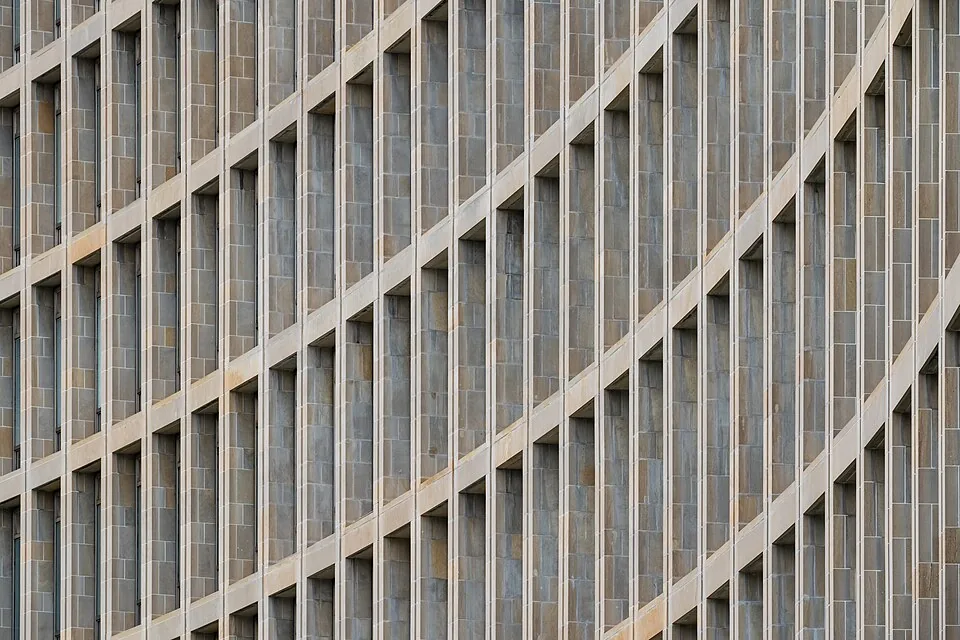

Start with operation, condition and evidence
A Saudi home window inspection should establish whether the windows operate properly, whether visible seals and frames need attention, and what evidence supports any energy-performance claim. Attractive glass and a neat frame do not answer all three questions. Review the actual installed window, room by room, rather than accepting a specification that applies to a different apartment or a proposed replacement.
Your viewing can identify questions and record symptoms. It cannot certify thermal performance, structural installation or weather resistance. For a purchase decision, combine your observations with the property viewing checklist and obtain a qualified assessment where defects or unclear specifications could materially affect comfort, safety or cost. This guide describes a practical inspection sequence; it does not set a universal technical standard for Saudi homes.
Make a room-by-room window schedule
Give each window a simple reference: living room north wall, bedroom two balcony door, kitchen service opening. Record the type, approximate size, opening direction and any screen or shading device. Note whether it opens, slides or remains fixed. This makes a quotation or repair response much more useful than a general complaint that the apartment feels hot.
With permission, open and close each accessible unit normally. Record sticking, uneven movement, a handle that fails to engage, a loose hinge or a sliding panel that leaves its track. Do not force a damaged unit or lean outside to test it. Check whether everyday furniture placement will obstruct the handle or opening path. A technically operable window can still be inconvenient in the planned room arrangement.
Look at the visible frame joints, sealant edges and drainage openings without dismantling them. Photograph the whole window and then the particular issue. If a mark is already present on the surrounding wall, include that in the same record. Distinguish a visible condition from its presumed cause: a stain near a frame does not establish whether the problem comes from the window, an external wall or another source.
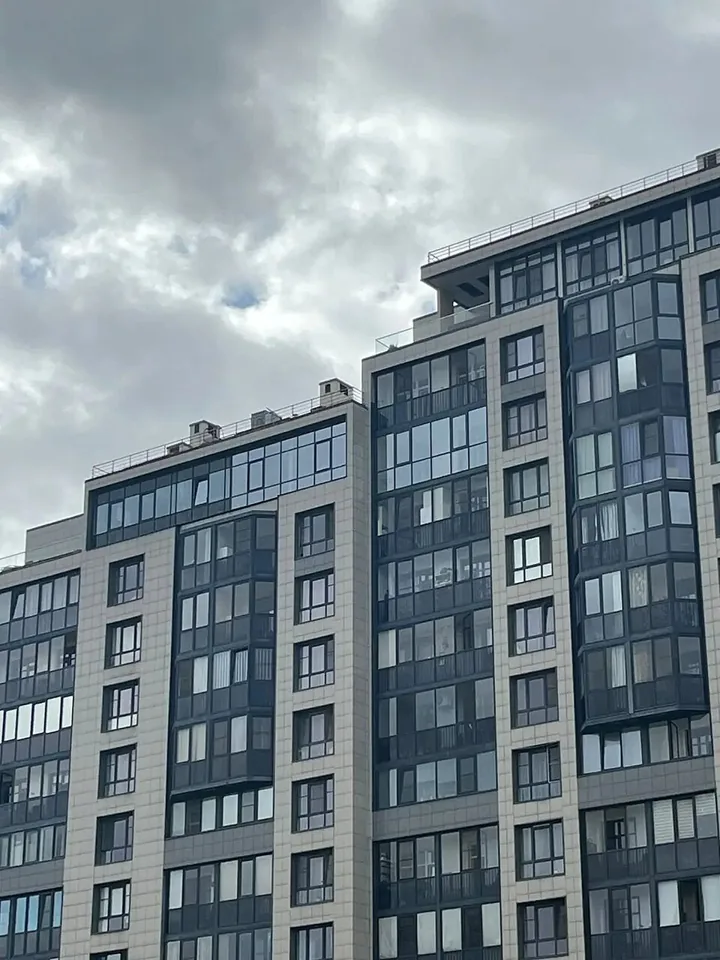

Review sunlight and cooling together
Ask about the window orientation and observe when direct sunlight reaches the room. Record the viewing time and weather, because a shaded morning visit may say little about afternoon conditions. Curtains, neighbouring buildings and balconies can change the experience. Avoid assigning a fixed cooling-cost saving simply because one room faces a particular direction.
The Saudi Energy Efficiency Center is an official starting point for energy-efficiency information. For the property itself, request the relevant installed-product specification and ask a competent professional which performance measures and requirements apply. A general claim such as energy-saving glass needs a product identity and supporting documentation before it belongs in your budget assumptions.
Consider the window and air-conditioning system together. A cool room during a short viewing may reflect a recently adjusted thermostat rather than efficient windows. Follow the home AC inspection guide to separate the condition of the equipment from the condition of the building envelope. Ask what is included in the sale and which controls, screens or external shading devices need maintenance.
Investigate condensation and water marks carefully
Record where any moisture appears: on the room-facing glass, between panes, at the sill or on the adjacent wall. These locations raise different questions. Ask when the symptom occurs and whether the seller has dated photographs, repair invoices or a specialist report. A freshly painted surround can conceal history, so discuss previous repairs even if the visible finish looks clean.
Do not pour water onto frames or perform an improvised pressure test during a viewing. Such testing can damage finishes and may produce misleading findings. If weather penetration is suspected, ask a qualified inspector to define an appropriate test and explain its limitations. The water-leak inspection guide helps keep symptoms, suspected causes and verified repairs separate.
For double glazing, ask whether misting is inside the sealed unit or on an accessible surface. If replacement is recommended, the quotation should identify the affected unit, dimensions, glass specification and installation work. A price for replacing a pane may exclude access equipment, frame repairs, making good and disposal. Keep these items visible before assuming the defect has a small fixed cost.
Clarify responsibility before planning changes
In an apartment building, an external window or balcony enclosure may affect the shared facade. Check the property's documents and building-management requirements before planning a colour change, film installation or replacement. The fact that a contractor can supply a unit does not establish permission to alter the exterior. Obtain an explanation specific to the building rather than relying on what another resident has done.
Ask whether any manufacturer's warranty or installer documentation remains available and whether it applies to the current owner or a subsequent buyer. Record the actual terms and contact details. An old invoice is useful evidence of work, but it is not automatically a transferable guarantee. Keep unanswered questions in the snagging log with a responsible contact and an agreed next step.
Turn observations into a purchase decision
Finish with three lists: windows operating normally at the viewing, issues needing a defined repair quotation, and questions requiring further investigation. Attach photographs and the product information received. Where a repair is promised before completion, identify the window and the expected evidence of completion rather than accepting an informal assurance that everything will be fixed.
The useful outcome is a more reliable decision about comfort, maintenance and unresolved risk. It is not a certificate created from a brief viewing. Reinspect agreed work, preserve the dated findings and include any confirmed expense in your purchase budget. That gives you a clear record of what you observed, what a specialist concluded and what remained uncertain when you decided to proceed.
Sources and review
- Saudi Energy Efficiency Center — reviewed 29 September 2026. Official primary context. Practical methods and fictional scenarios are original editorial analysis; no current market quotation is asserted.