
Buying a Saudi Home With Solar Panels
Review equipment ownership, connection records, roof interfaces, generation data and backup claims before buying a Saudi home with existing solar panels.
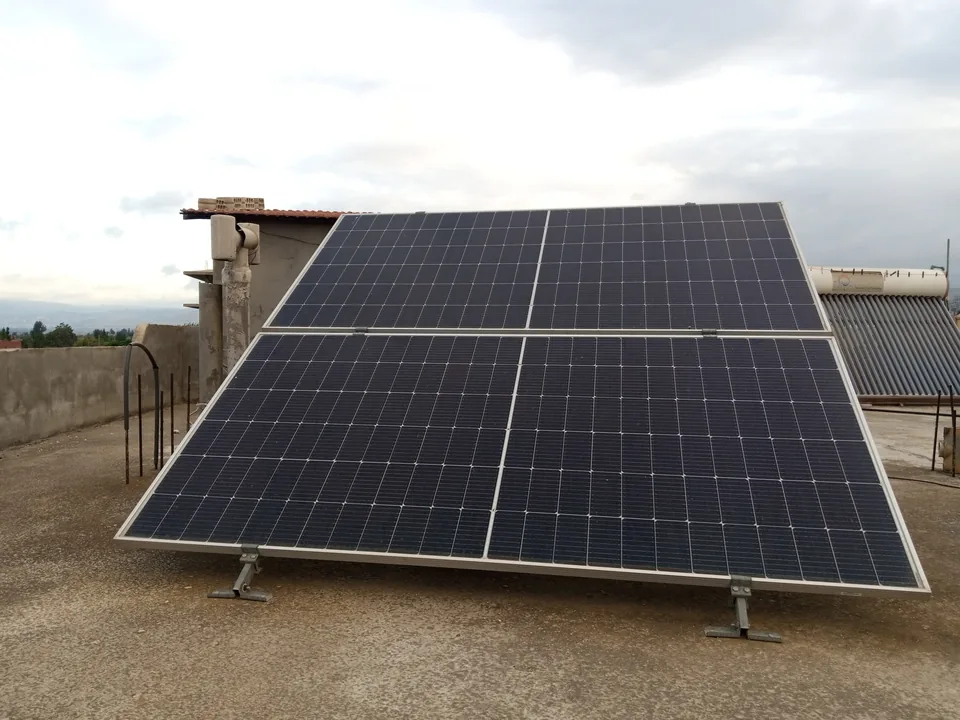

Review the installed system before valuing the feature
When buying a Saudi home with solar panels, establish what equipment is included, who owns it, its documented connection status and its independently assessed condition before assigning it a financial value. A rooftop photograph or a low electricity bill cannot answer those questions. Treat the installation as a property feature with its own evidence file, alongside the roof, electrical supply and other building services.
This guide concerns an existing residential photovoltaic installation offered with a property. It does not specify how to install panels or estimate investment returns. The useful buyer question is whether the system described by the seller is the system you would receive, maintain and be entitled to operate. Resolve that question through documents, competent inspection and written confirmation from the relevant parties.
SASO publishes a technical regulation for small solar photovoltaic systems, reviewed here on 3 October 2026. Its scope includes photovoltaic modules, inverters and associated electrical components. That product framework is one reference for a qualified reviewer; it does not, by itself, establish a particular home's installation approval or current connection status. Ask the specialist to identify the applicable requirements for the actual equipment and site.
Define exactly what the property sale includes
Create an equipment schedule before discussing a solar premium. Ask the seller to identify the panels, inverter, mounting arrangement, any battery storage and the monitoring equipment. Include model and serial identifiers where available, supported by existing records and photographs obtained safely. Separate equipment that is present from equipment that is expressly included in the proposed sale. An attractive feature in a listing is not a complete inventory.
Ask for purchase invoices, any finance or leasing documents and the relevant sale-contract wording. Have your legal adviser resolve ownership, outstanding obligations and any third-party rights. Do not assume that equipment automatically transfers because it is attached to the roof. This is a document-review question for the particular transaction, rather than a universal statement about Saudi conveyancing law.
For an apartment or shared roof, identify whose system it is and which premises it serves. Ask who controls roof access, who authorises maintenance and who bears removal or reinstatement costs. A building's panels may serve shared facilities rather than the apartment you are buying. Record the evidence behind the answer. If the arrangement remains unclear, do not count another party's generating equipment as an asset belonging to your home.

Match the equipment to installation records
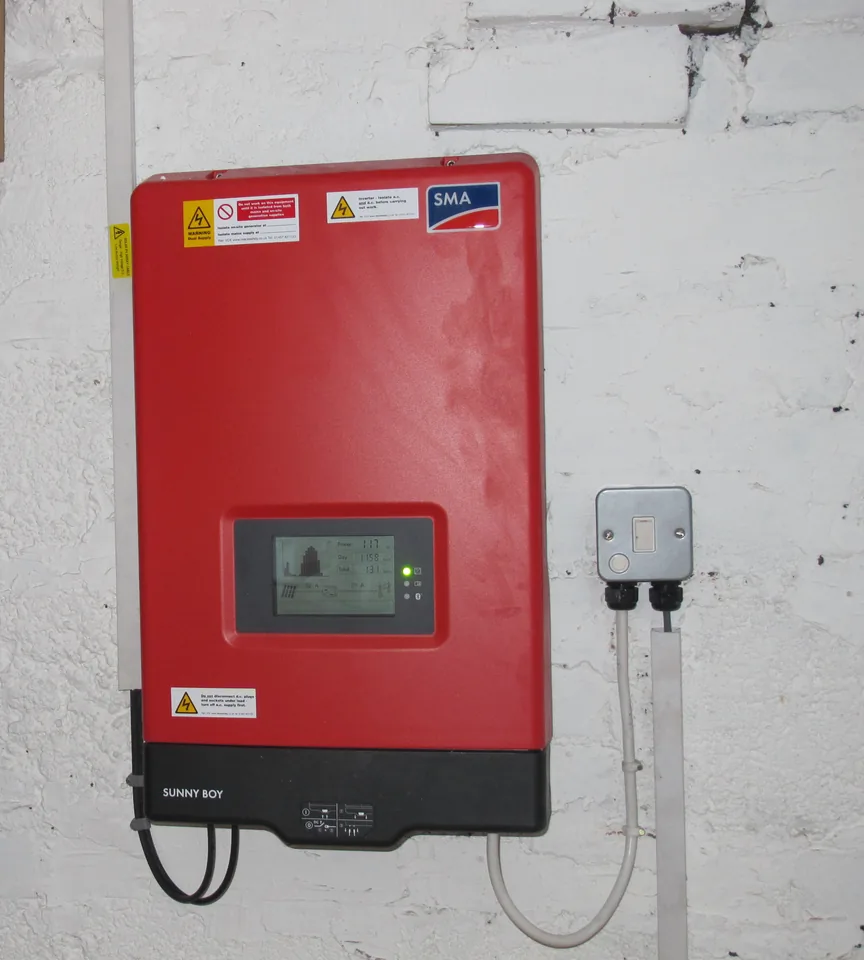
Request the original installation proposal, component schedule, commissioning records and subsequent modification invoices. Build a short chronology: initial installation, replacement inverter, added battery, repaired wiring or moved panels. These events may have different dates and contractors. Avoid describing the entire installation as new merely because one component was recently replaced. Mark any period for which records are missing.
The US Department of Energy explains that an inverter converts panel-generated direct current into alternating current and may also support monitoring. This is general technical context, reviewed 3 October 2026, rather than Saudi regulatory guidance. It explains why identifying the inverter matters: panel specifications alone do not describe every function of an installed system.
Give the inspector the schedule before the visit. Ask them to reconcile the accessible equipment with the records and report discrepancies, limitations and any further assessment needed. Do not climb onto panels, open electrical enclosures or disconnect equipment to obtain identifiers. A missing label should become a clearly assigned follow-up item, not an invitation to perform an unsafe buyer inspection or substitute a guess for the model number.
Confirm connection and account status in writing
Request the actual provider's current records for the property's connection, meter and associated account. Have the seller identify any installation correspondence and unresolved conditions. Ask the relevant provider what, if anything, the buyer must do after a change of property ownership or account holder. Obtain an answer tied to this installation rather than a generic installer advertisement or a neighbouring property's experience.
Keep equipment ownership, product documentation and electricity-provider confirmation as separate evidence categories. An invoice can establish what was purchased without confirming its present operating arrangement. Likewise, a monitoring screenshot does not establish permission to export electricity. Where a document is ambiguous, ask the issuing party or your appointed adviser to clarify its meaning and whether it remains applicable after later alterations.
This guide does not assume a universal export payment, a transfer procedure, a subsidy or an automatic right to connect. Record the current arrangement and any applicable charges or settlement terms from the actual provider's written information. If confirmation is still pending, show that uncertainty openly in the purchasing file. Do not translate an unverified connection assumption into a promised annual saving or a higher offer price.

Inspect the roof and electrical interfaces together
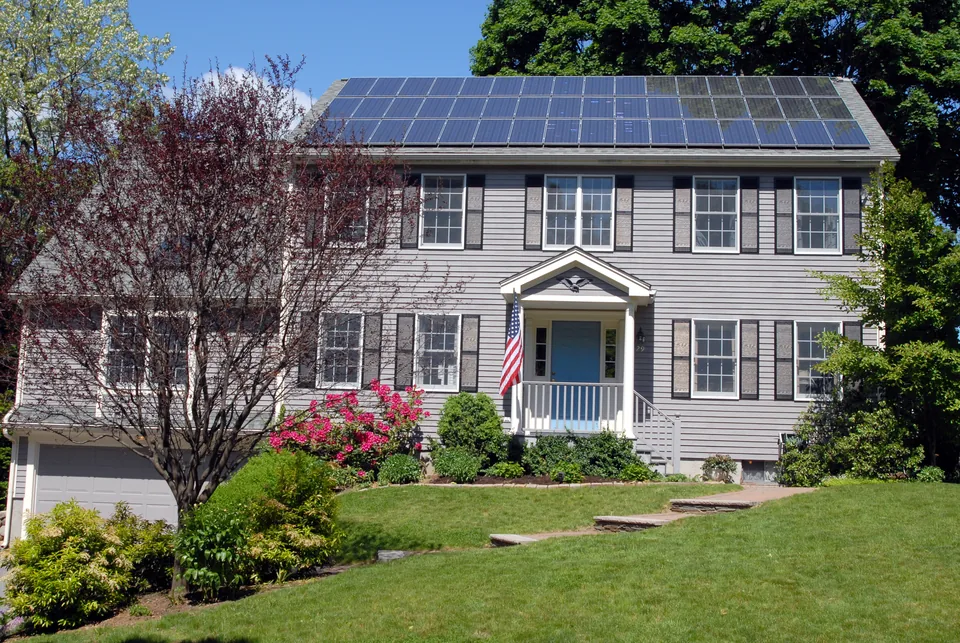
Arrange competent inspection of the installation alongside the home roof and waterproofing review. Ask the reviewers to consider accessible mounting interfaces, roof condition, drainage, maintenance access and the implications of future roof work. The purpose is to identify property-specific questions and responsibilities, rather than apply an internet mounting detail to a different building.
Request findings that distinguish observed defects from inaccessible areas and matters requiring specialist assessment. A photograph of clean panels cannot establish the condition beneath them. If roof repair is proposed, ask who would coordinate equipment removal, safe reinstatement and subsequent verification. Obtain a written scope from suitable contractors before treating a roof quotation as covering all solar-related work.
Use the Saudi home electrical safety inspection guide to organise the broader electrical review. Ask the appointed professional how the solar equipment interfaces with the home's supply and what inspection or records are needed. Buyers should not switch unfamiliar isolators, alter protection settings or simulate electrical faults. Document the professional's scope and limitations so an ordinary property survey is not mistaken for a complete specialist assessment.
Read generation and electricity records separately
Ask for dated generation records, available monitoring exports and electricity bills covering the same periods. Record the units and where each figure came from. Rated power, commonly expressed in kilowatts, and energy generated over a period, expressed in kilowatt-hours, answer different questions. Do not present a panel's capacity as the amount of electricity the household actually received in a month.
Separate generation, household use of that generation, electricity exported and electricity imported from the grid. An original fictional illustration makes the distinction clear: suppose an installation generates 600 kWh during a stated month, of which 400 kWh is used at home and 200 kWh is exported. If the household separately imports 300 kWh, the three flows remain different records. These invented figures describe no Saudi property, tariff or billing formula.
The illustration does not justify subtracting export from import on an electricity bill. Settlement depends on the verified arrangement, while household demand and the timing of generation can differ. Ask how each monitoring field is measured and whether the records cover all equipment. Keep assumptions explicit if data are incomplete. Your objective is a traceable description of past operation, not a forecast presented as a measured result.
Investigate gaps without diagnosing from screenshots
Check the start and end dates of the records, missing intervals and whether monitoring continued after repairs or component changes. Ask the seller to explain unusual gaps and provide associated service reports. Missing data may reflect a monitoring problem, missing documentation or an operational issue; a buyer should not choose the most reassuring explanation without evidence. Mark the unresolved cause and the person responsible for investigating it.
Ask an appropriately qualified reviewer to interpret records alongside the installation and site observations. A single sunny-day screenshot is not a complete operating history, while a lower-output period needs context before a diagnosis. This guide supplies no universal percentage threshold, production target or guaranteed performance ratio. Obtain a site-specific professional assessment if the system's condition materially affects your decision.
Keep factual records separate from seller estimates. A forecast should identify its author, date, inputs and limitations; it does not become historical production because it appears in the same brochure. Do not add a resale premium based on unsupported lifetime savings. If you later model operating costs, retain the verified inputs and test uncertainty separately, including maintenance and repair quotations rather than a generic online price.
Verify backup claims against the actual configuration
If the seller describes the property as having backup power, ask exactly which circuits can be supported, by what equipment and under what documented conditions. Record whether a battery is included, its identifier and the available installation or service documentation. A panel array, an inverter and a battery are individually observable items; their presence alone does not explain the capability of the combined installation.
The US Department of Energy's solar resilience explanation, reviewed 3 October 2026, notes that ordinary grid-dependent solar systems are generally designed to shut down when grid power is lost. Suitable inverter configuration and storage are relevant to independent operation. This is generic technical context, not a promise about the property or an instruction to test isolation yourself.
Ask the appointed specialist what documentary evidence or authorised demonstration would establish the specific backup claim. Clarify whether the description concerns selected circuits or the whole home, and what limitations apply. Do not attempt an outage simulation during a viewing. If support for an essential appliance is central to your purchase, keep that requirement explicit and obtain a qualified assessment rather than relying on the word “backup.”

Review warranties and future responsibilities
List the available component and installation warranties separately. Ask the relevant issuer to confirm current coverage, exclusions, claim procedures and any conditions affecting a change of owner. Distinguish a document bearing a long warranty period from confirmation that your actual equipment and proposed ownership arrangement qualify. This guide makes no standard lifespan or automatic warranty-transfer claim.
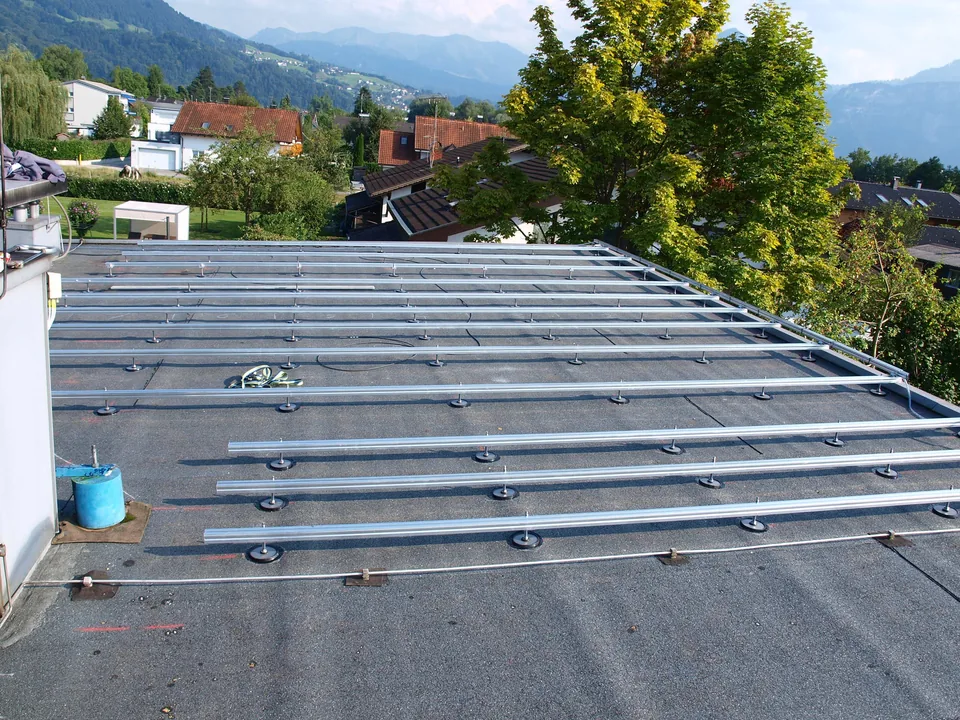
Identify who has serviced the system and whether that business can provide records or future assistance. Obtain site-specific quotations for any identified repair, monitoring restoration or inspection requirement. Ask who is responsible for access arrangements and roof reinstatement. Keep these tasks separate from routine household maintenance so that an apparently minor service quotation does not silently omit work needed by another specialist.
If insurance treatment matters to your decision, describe the actual equipment and arrangement to the intended insurer and request written clarification. Do not assume a seller's policy or a generic statement covers the buyer. File the response with the equipment schedule. These are transaction-specific questions to resolve, not assertions that a particular policy, premium or statutory obligation applies to every Saudi solar installation.
Close evidence gaps before the final handover
Use a concise decision record with four fields: unanswered question, required evidence, responsible party and the date by which it must be resolved. Prioritise uncertain ownership, connection status, safety findings and unsupported backup claims. Ask your legal and technical advisers how unresolved matters should affect the transaction. A completed checklist should show supporting documents and limitations, rather than a row of ticks based only on verbal reassurance.
For example, a seller might supply panel invoices but no record identifying an inverter replaced later. The purchasing question is specific: which inverter is included, who supplied it and what documentation supports its installation? Ask for the missing identifier and records, then have the reviewer reconcile them. Do not treat the original panel invoice as evidence for an unrecorded replacement. This example illustrates how a narrow evidence gap can be assigned and closed without making a technical diagnosis or assuming wrongdoing.
Store the record with the property viewing record. Preserve the original documents and distinguish later clarifications from the seller's initial account. If equipment is excluded, removed or replaced before completion, update the schedule and request any necessary reassessment. Your final file should describe the home and installation actually delivered, rather than the configuration shown at the first viewing.
At handover, request the agreed manuals, service contacts and legitimate transfer of monitoring access through the relevant provider's process. Avoid sharing the seller's personal credentials. Include unresolved responsibilities and documented operating limitations in the Saudi property handover checklist. A useful solar feature is one you can identify, understand and manage with evidence; its value should follow that review rather than precede it.
Sources and review
- SASO: Small Solar Photovoltaic Systems Technical Regulation — reviewed 3 October 2026. Current official regulation listing and linked PDF reviewed 3 October 2026. Product framework context only; no numerical threshold, permit or transfer rule inferred.
- US Department of Energy: Solar and Resilience Basics — reviewed 3 October 2026. Generic inverter/storage and grid outage technical context; no US legal, tariff, tax or property rules applied in Saudi Arabia.
- US Department of Energy: Inverters and Grid Services Basics — reviewed 3 October 2026. Generic DC/AC and monitoring technical context only, reviewed 3 October 2026.