
Checking Noise Before Choosing a Saudi Home
Check noise in a Saudi home at relevant hours, identify sound sources and record the limits of viewings and proposed remedies.
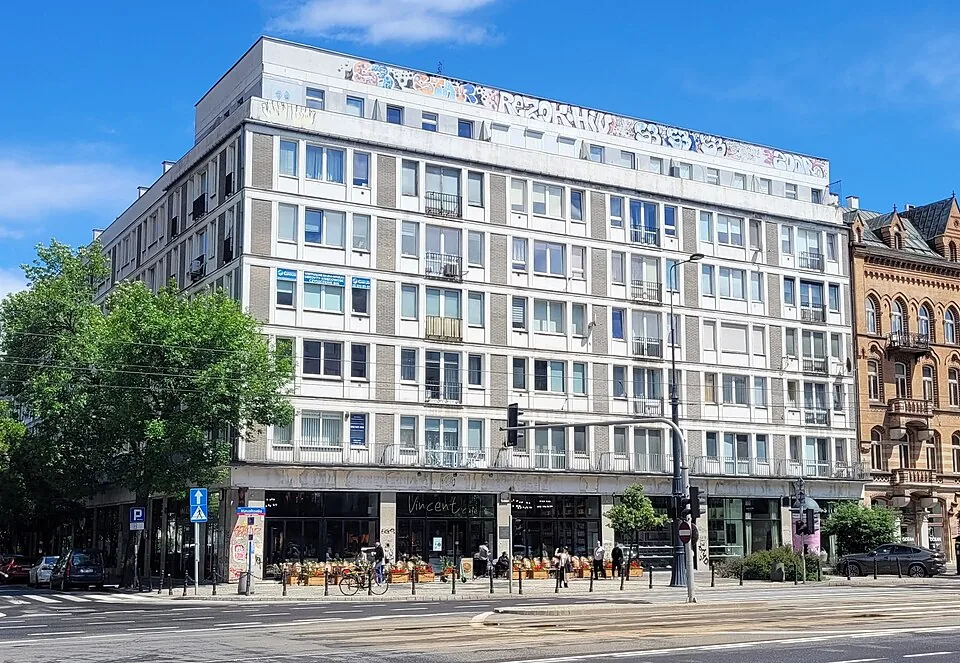

Listen to the home during the hours that matter
Checking noise before choosing a Saudi home requires more than one quiet daytime viewing. The relevant question is whether the property's actual sound environment suits your household at the times you will live, sleep and work there. Compare the rooms, windows, nearby activity and building equipment under clearly recorded conditions. A seller's description of a peaceful neighbourhood cannot replace that evidence.
This guide explains a practical observation method, not an acoustic certification or a claim about legal noise limits. Begin with the property viewing checklist, then arrange further visits or a qualified acoustic assessment if an important uncertainty remains. The point is to understand the particular home, rather than assign a reputation to an entire Saudi city or district.
Define your household's sensitive periods
Write down when quiet matters most. A person working from home may care about afternoon construction or deliveries. A shift worker may need daytime sleep. A family may prioritise bedrooms in the evening. The same property can suit one schedule and frustrate another. Use these needs to select viewing times instead of treating a single appointment as representative.
Identify which rooms serve those activities. Listen in the bedroom with the door in its normal position, the study near its intended desk and the living area where conversation will take place. A pleasant sound level beside the entrance does not establish the conditions at a street-facing bedroom. Record the window position, equipment running and whether the room is furnished.
Ask permission for a longer visit or a second appointment at a relevant hour. You may not be able to observe every period, but that limitation should stay visible in the decision. A ten-minute visit establishes what you heard for those ten minutes. It does not justify describing the building as consistently silent or predicting that current nearby activity will remain unchanged.

Separate the sources you can identify
Record traffic, voices, lifts, pumps, air-conditioning equipment and building work as separate observations. Describe what you heard without guessing the source if it is unclear. For example, a repeated vibration in a bedroom may need investigation rather than a confident label as a neighbour's appliance. Note the location, time and whether it recurred during the visit.
For equipment noise, coordinate with the home AC inspection guide. A noisy cooling unit could involve maintenance, mounting, ductwork or another issue that requires qualified assessment. Turning the equipment off creates a quieter demonstration, but it does not show the sound environment when the system operates normally in hot weather.
Consider shared spaces. A unit close to a lift lobby, service door or parking entrance may experience activity at different hours. Observe the actual layout and ask building management about normal operations. Keep factual location details separate from subjective impressions. Proximity alone does not prove a noise problem, and a quiet lobby during one viewing does not establish normal use.
Use simple recordings honestly
A short recording can help remember an observed sound and explain its timing to an inspector. It should be made with permission and respect occupants' privacy. Do not record private conversations or publish identifiable neighbours. Label the recording with the room, time and conditions, and avoid editing it in ways that exaggerate or hide what was heard.
A phone application may display a sound number, but its microphone and calibration can limit accuracy. Do not use an unverified reading as proof of compliance or noncompliance. Where a quantitative conclusion matters, ask a qualified specialist to define the measurement method, relevant criteria and limitations. The Saudi Building Code system is an official building-requirements reference; applicable technical questions belong with the professional assessment.
Compare like conditions. A furnished occupied room and an empty room can sound different, as can an open window and a closed one. Record those differences instead of presenting a simple ranking of two homes. Ask what the normal living arrangement would be and whether the comparison reflects it. A quieter result produced by a different test setup may not be useful.
Evaluate proposed remedies before buying
If replacement windows, seals or finishes are suggested, establish which sound source the proposal addresses and what evidence supports the expected outcome. Use the window inspection guide to organise the current condition and installed-product information. An upgrade that helps with one transmission route may not resolve sound passing through another part of the building.
Ask a competent specialist about the practical scope, permissions and uncertainty of a proposed remedy. Obtain a quotation that includes installation and making good, then distinguish the quoted expense from any unverified promise of improvement. Do not assume a relatively small purchase will make the home suitable if the underlying issue remains unexplained.
Record the decision and its limits
Finish with a simple note for each important room: observed conditions, identified sources, hours checked and unanswered questions. Where repeated visits show a problem incompatible with your routine, treat that as a decision finding. Where the concern remains uncertain, record the further evidence needed rather than allowing a reassuring phrase to close it.
For broader access and lifestyle comparisons, read the Riyadh metro journey assessment alongside your room observations. A convenient location and a suitable indoor environment are separate needs. The strongest shortlist reflects both, supported by what you actually observed and a clear account of the periods and conditions you could not verify.
Sources and review
- Saudi Building Code system — reviewed 29 September 2026. Official primary context. Practical methods and fictional scenarios are original editorial analysis; no current market quotation is asserted.