
Saudi Apartment Lifts: Questions Before Buying
Review Saudi apartment lift access, maintenance evidence, outage arrangements and shared costs before relying on a viewing demonstration.
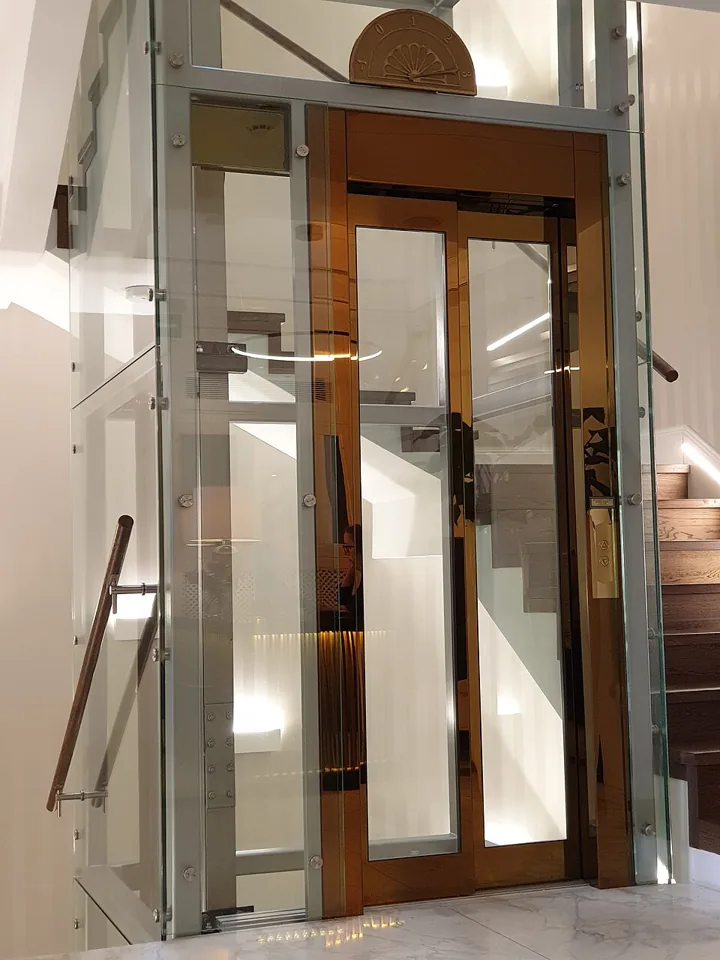

Treat the lift as shared essential equipment
A Saudi apartment lift inspection starts with two separate questions: does the lift suit your daily access needs, and what evidence supports its maintenance and condition? A smooth ride during one viewing answers only a small part of the first question. It does not establish compliance, future reliability or the cost of maintaining shared equipment over your ownership period.
Buyers should observe normal authorised operation, ask building management for relevant records and obtain competent specialist advice where concerns remain. Do not enter restricted machinery areas or perform a homemade test. The property viewing checklist helps place the lift within the full arrival route, including parking, entrance doors and the landing outside the apartment.
Understand the building's access arrangement
Record which floors and entrances the lift serves. Check whether the normal route from the actual parking area includes additional steps or locked doors. A lift serving the main lobby may not connect directly to the parking level. This difference can matter for shopping, luggage and residents who need a continuous accessible route.
Observe cabin space and the position of controls in relation to the intended household's needs. Check the approach and landing, rather than judging only the cabin. Use the home accessibility guide where a resident uses mobility equipment or needs assistance. Suitability requires the complete journey, not a broad claim that the building has a lift.
Ask how many lifts normally operate and how outages affect access. A second lift may provide useful resilience, but only if it serves the needed route and is actually available. Discuss how residents receive outage notices and whom they contact. Do not turn one report of a past outage into a prediction of frequent failure; request a meaningful history and supporting explanation.
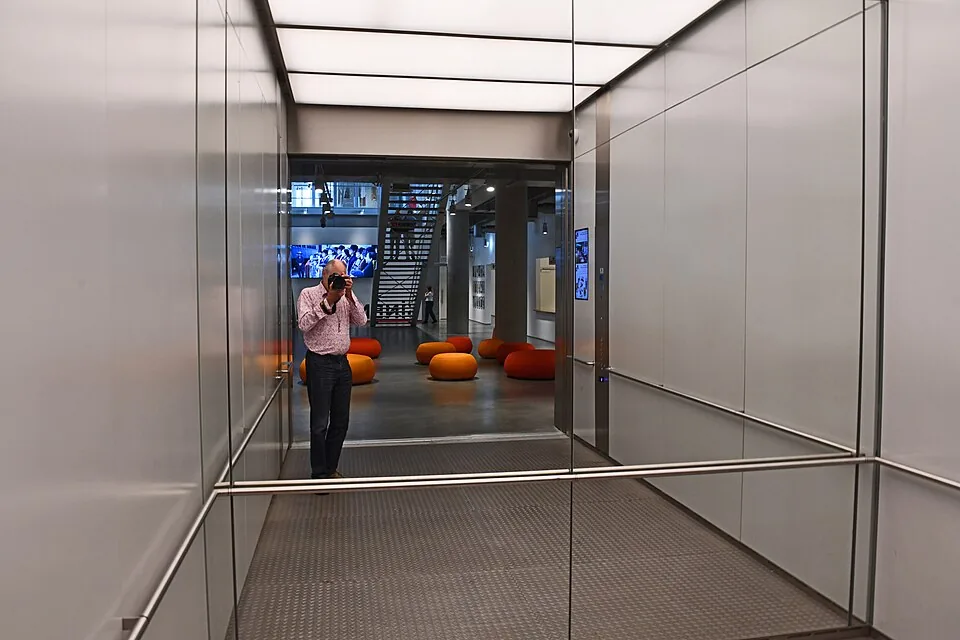

Observe ordinary use without creating a test
With permission, make a normal journey to the apartment floor. Note unusual sounds, uneven stopping, visibly damaged controls or other conditions that deserve review. Describe the observation precisely and pass it to the responsible building party or qualified assessor. Do not interfere with doors, exceed posted limits or attempt to activate emergency equipment for a viewing demonstration.
If there is an apparent hazard or malfunction, stop using the lift and alert the responsible person. A buyer does not need to prove the fault by repeating the journey. Ask how the issue is being investigated and what completion evidence will be available. Keep a concern unresolved until an appropriate response addresses it, rather than accepting an informal explanation from someone without relevant responsibility.
The Saudi Building Code system is the official framework for building requirements. A competent professional should identify the provisions, inspection arrangements and technical criteria applicable to the building and equipment. This article does not certify a lift or quote a universal inspection interval for every Saudi apartment building.
Request maintenance evidence with useful dates
Ask management for the available maintenance agreement, recent service records and relevant inspection documentation. Establish who provides the work, what equipment the contract covers and how faults are reported. Keep the date of a routine service separate from any more extensive inspection or repair. A stamped invoice may show attendance without explaining what was assessed.
Request information about significant repairs, recurring faults and work currently recommended. Ask for a factual history rather than a verbal claim that the lift never breaks down. If records cannot be shared in full, request a suitable summary or professional review through the responsible party. Preserve the limitation if the evidence remains unavailable; do not create a maintenance history from assumptions.
Clarify how residents are informed during an outage and what service response arrangements are documented. A provider's contact number is helpful, but it does not establish a guaranteed response time. Read the actual agreement where the timing matters to your decision. Separate contractual service commitments from ordinary expectations or past experiences described by residents.
Connect the equipment to shared finances
Review lift expenses within the apartment service-charge guide. Ask whether the budget distinguishes regular servicing, fault repairs and major replacement. A routine maintenance contract may exclude substantial components. The current annual charge is therefore one part of the ownership picture, not a complete forecast of future equipment expense.
Where significant work is planned, ask about scope, approval, quotations and how funding will be organised. Record confirmed information and unresolved decisions separately. Do not allocate a building-wide estimate to your unit using an invented share. Obtain the actual allocation basis and relevant documents before adding a specific amount to your purchase budget.
Consider disruption as well as price. A replacement project can affect everyday access, and the household may need a temporary arrangement. Ask what is known about the proposed work and avoid presenting tentative scheduling as a confirmed completion date. The resident's practical needs should be assessed alongside the financial exposure.
Make the purchase decision with the limits visible
Summarise the lift route, observations, records reviewed and specialist questions. Relate the findings to the apartment versus villa maintenance comparison if you are choosing between housing types. Shared equipment offers convenience but also requires organised management and a realistic understanding of responsibility.
Before relying on a promised repair, request suitable completion evidence and review the normal route again. Keep emergency arrangements as a separate question for the responsible building party; do not assume a passenger lift is the solution. The strongest decision reflects demonstrated everyday suitability, documented maintenance and a clear account of what remains unverified.
Sources and review
- Saudi Building Code system — reviewed 29 September 2026. Official primary context. Practical methods and fictional scenarios are original editorial analysis; no current market quotation is asserted.