
Inspect a Saudi Home Kitchen Beyond the Finishes
Inspect a Saudi kitchen through included items, layout, moisture, connections and a clear separation of repairs from optional renovation.
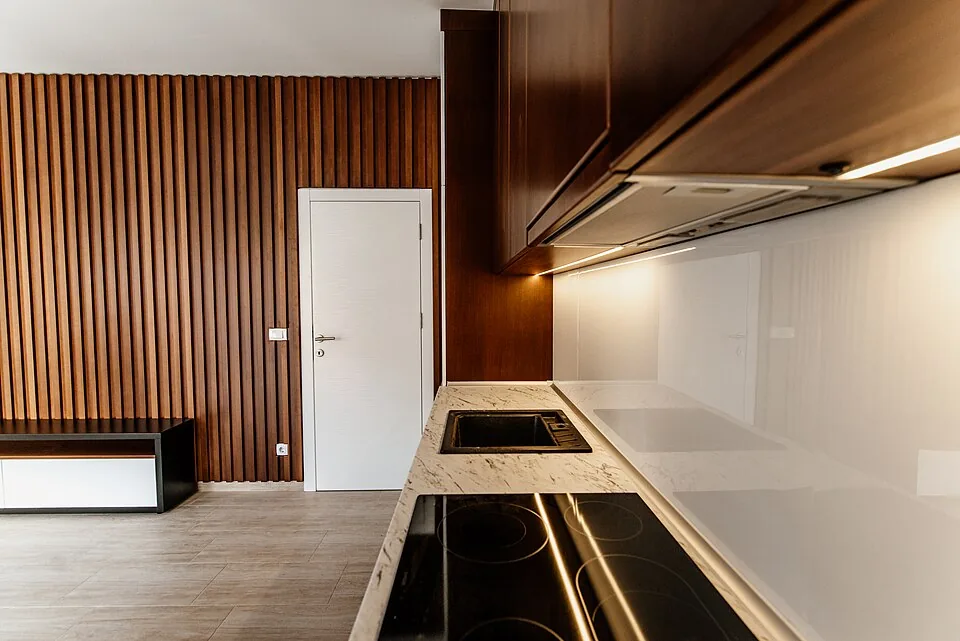

Look beyond the visible finish
Inspecting a Saudi home kitchen before buying means checking how the space works, what is included and which conditions need specialist review. New cabinet doors and attractive worktops can distract from awkward circulation, undocumented appliance connections or moisture inside a cupboard. Start with the actual arrangement and your cooking routine, then separate cosmetic preferences from material repair questions.
A viewing is an opportunity to record observations with permission, not to dismantle equipment or certify plumbing and electrics. Use the property viewing checklist, and ask competent professionals to investigate concerns that affect safety, function or the proposed renovation. A clear kitchen record helps you compare homes without mistaking an attractive presentation for a complete assessment.
Establish the included items first
Ask which cabinets, appliances, fittings and accessories remain with the sale. A built-in appearance does not establish inclusion. Record model information where accessible and distinguish an appliance owned by an occupant from something included in the purchase. If an item will be removed, ask what condition will be left behind and whether exposed connections or gaps need making good.
Photograph the overall arrangement and note the location of the sink, preparation area, cooker and storage. Open accessible cabinets normally with permission and record damaged hinges, loose drawers, swollen surfaces or areas that cannot be inspected. Do not assume a closed cupboard has been reviewed. If possessions restrict access, record that limitation and arrange a follow-up if the concern matters.
Keep the agreed inventory in the purchase documentation. The purchase contract checklist explains why an informal viewing promise should not stand in for a defined agreement. If the seller replaces an included appliance before completion, the description of the item and agreed condition should be clear enough to review the change.
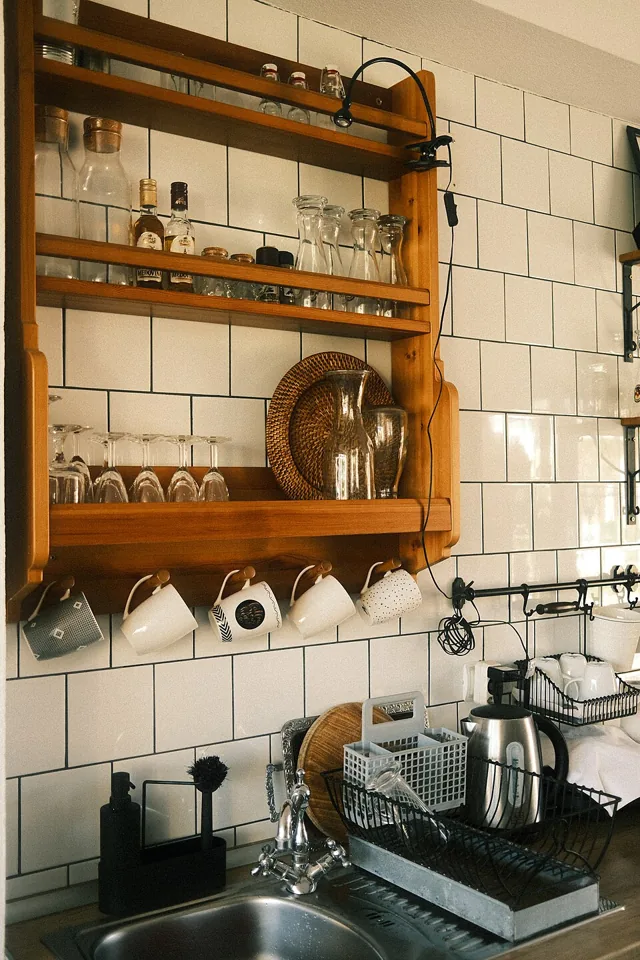

Check the daily movements
Imagine unloading groceries, washing food, preparing a meal and clearing dishes. Look at the route between the principal work areas and whether two people can move comfortably. An island that photographs well may reduce circulation in a compact room. Cabinet depth and the swing of an appliance door can matter more than the total kitchen area printed in a brochure.
Consider your equipment and storage rather than the display arrangement alone. Measure accessible spaces with permission and check whether the intended refrigerator, cooker or dishwasher fits the documented opening. A physical fit does not establish suitable connections, ventilation or installation clearance. Obtain manufacturer requirements and professional advice before treating the appliance as ready to install.
Observe available lighting and the relationship between the kitchen and living areas. Ask how cooking odours and extraction are managed in the actual unit. Opening a nearby window may not be your preferred daily solution. If a system is demonstrated, record the setting and conditions, and ask a qualified assessor about any material concern rather than relying on a short sound or airflow impression.
Investigate moisture and connections safely
Look for visible staining, swollen boards and repaired finishes around the sink and accessible pipe routes. Ask about previous leaks and request repair evidence where available. The water-leak inspection guide helps distinguish a symptom from its cause. A dry cupboard at the viewing does not establish the history or condition of concealed connections.
Do not disconnect hoses, remove pipework or operate an unfamiliar valve to test it. Ask the relevant professional to explain an authorised inspection scope. Record whether the water supply and connected equipment were available for normal operation at the visit. An unused or disconnected kitchen may need a different assessment from an occupied one with recent service records.
For electrical concerns, use the home electrical inspection guide. Appliance replacement can involve supply capacity and circuit arrangements, not just a matching plug. Gas equipment, where present, requires an appropriate competent assessment too. Never use a flame, improvised connection or other unsafe method to investigate a suspected problem.
Separate repairs from your preferred redesign
Create two schedules. The first covers verified defects and recommended work needed for the existing kitchen. The second covers optional improvements you would like to make. This prevents a desire for new finishes from obscuring a leakage finding, and prevents a repair quotation from becoming an unexamined full renovation budget.
The Saudi Building Code system provides the official building-requirements framework. A competent professional should identify requirements applicable to the property and proposed alterations. Moving plumbing, extraction or equipment can require a wider review than replacing cabinet fronts. Ask about approvals and building-management coordination before assuming the layout can be changed freely.
Compare quotations against a written scope. Identify removal, disposal, materials, connections, testing and reinstatement. Clarify whether quoted work includes appliances and whether a product allowance is based on a specified item. A low headline figure with numerous exclusions may not answer the same question as a detailed proposal. Keep the timing and temporary loss of kitchen use visible too.
Close the kitchen review with a clear record
Summarise included items, accessible conditions, specialist findings and unresolved areas. If repairs are promised, define the location and expected outcome, then arrange a suitable review of completion. A clean photograph of new cabinet doors should not close a separately recorded moisture or electrical issue without evidence that the underlying finding was addressed.
The final decision should reflect the kitchen you can use at handover and the changes you can realistically arrange afterwards. Preserve your inventory and quotations with the property documents. That makes the kitchen's value easier to assess and gives you a practical starting point for maintenance or renovation after the purchase.
Sources and review
- Saudi Building Code system — reviewed 29 September 2026. Official primary context. Practical methods and fictional scenarios are original editorial analysis; no current market quotation is asserted.