

Compare Saudi AC Energy Labels Before Buying
Verify Saudi AC labels, compare suitable models and installed quotations, and use clearly conditional cost arithmetic without promising electricity savings.

Organise a Saudi home air-conditioning review: included systems, authorised tests, maintenance records, specialist findings and repair costs.
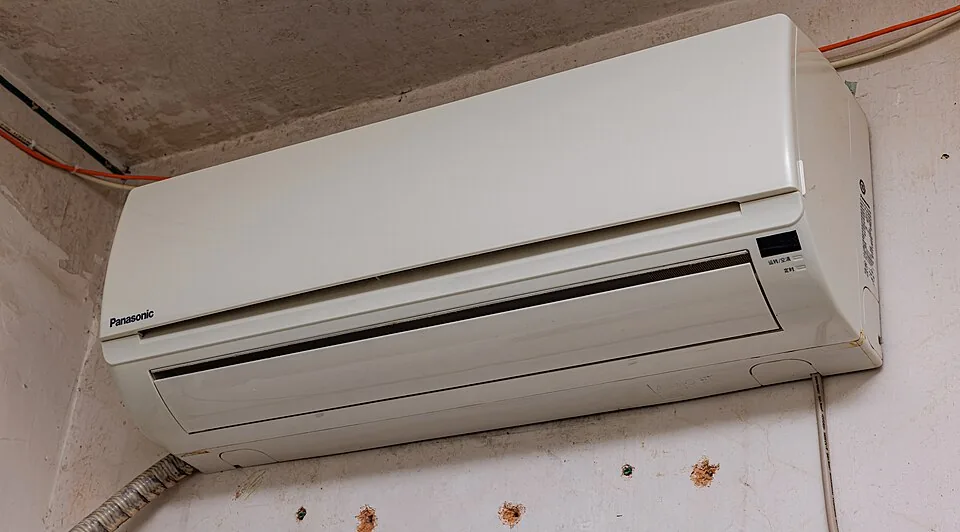
When inspecting air conditioning before buying a Saudi home, check the actual systems serving the unit, their visible condition and available maintenance records. Then obtain a qualified assessment where performance, electrical safety or system design is uncertain. Feeling cool air during a short viewing does not establish capacity, efficiency or reliability through the hottest operating conditions. A switched-off system should be recorded as untested, not assumed satisfactory.
This guide explains how to organise a buyer's review rather than perform technical work. Do not open electrical panels, handle refrigerants or bypass controls. The property viewing checklist provides the general inspection framework; air conditioning deserves a separate record because the equipment, ownership and maintenance responsibilities can differ across rooms and shared buildings.
List the equipment and the rooms it serves. Ask whether units, controls and related components are included in the sale, leased or managed through a shared arrangement. Distinguish equipment inside the apartment from common systems serving several units. A visible thermostat does not identify who owns or maintains every component behind it. Record the model details and approximate installation history where reliable records are available.
Compare the actual equipment with the written inclusions. For a new or off-plan property, use the specification review guide. Ask about substitutions and the supporting approval rather than assuming the marketing image defines the system you should receive. For an existing home, request a clear inventory so a seller's removable appliance is not silently included in your operating-cost assumptions.
The Saudi Building Code system is the official reference framework for building requirements. This article does not prescribe technical pass temperatures, installation clearances or electrical limits. An appropriately qualified professional should select the checks applicable to the equipment and property rather than use a generic online threshold.
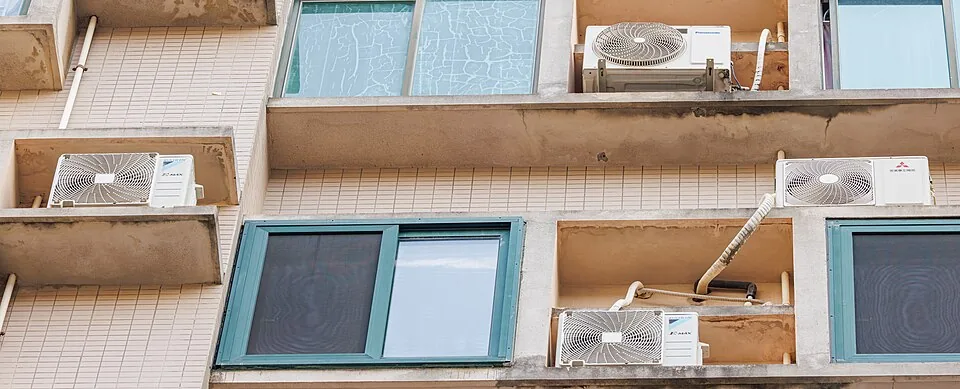
With permission, ask for normal operation in the rooms you can inspect. Record the outdoor conditions, approximate time of day, settings and duration of observation. Note whether doors or windows were open and whether every relevant zone was operated. These details help a specialist understand the conditions under which you noticed a problem; they do not turn a short viewing into a performance test.
Observe unusual noise, visible moisture, damaged controls or inconsistent operation between rooms. Describe the location and behaviour without diagnosing the cause. A sound near a ceiling grille might have several explanations, and a wet patch may need investigation beyond the air-conditioning system. If equipment appears unsafe, stop the test and ask the responsible party for assessment.
Look at accessible filters and service access only where it is safe and permitted. Do not remove covers or climb to inspect equipment yourself. Ask the technician about the ability to access components for routine maintenance. A system hidden behind a difficult ceiling arrangement may require a different maintenance plan from equipment with straightforward access, even if both cool the room during the visit.
Request maintenance records, fault reports and invoices where available. Check which equipment they refer to and whether the dates are recent enough to help explain current condition. One invoice for another unit is not evidence that all systems in the apartment were serviced. Ask what work was performed, whether the issue recurred and whether any recommendation remains outstanding.
If warranties are claimed, request the actual documents and confirmation of any transfer or registration requirements. Do not assume that a verbal promise of warranty coverage applies to the next owner or every component. Record the provider, relevant equipment and conditions. A warranty can affect responsibility for a particular fault; it does not remove the need to understand operating costs and routine care.
Use the property evidence file method to connect observations, reports and responses. An illustrative record might state that the living-room system stopped during the permitted viewing, a specialist assessment was requested and the cause remains unconfirmed. This is more defensible than describing the entire apartment's cooling as defective without supporting evidence.
Ask for a written scope and quotation where repairs or replacement are recommended. Separate an immediate repair from routine servicing and possible future replacement. Identify whether the cost belongs to the unit owner or a shared building arrangement, using the relevant records and advice. Do not budget a common system as though you can independently replace it without the building's process.
For illustration, an owner might receive one quote for a component repair and another for replacing an older unit. The cheaper initial option is not automatically the better long-term choice; compare the assessed condition, expected scope and warranty terms. No typical repair price or equipment lifespan is assumed here. Real costs depend on the system, access, supplier and verified scope.
Your final review should identify what is included, what was operated, the limits of the viewing, the specialist's findings and any costs still provisional. Add unresolved items to the handover checklist, with a responsible person and the evidence needed to close each one.
Air-conditioning suitability is about more than a cool room on one afternoon. A documented assessment, understood maintenance responsibility and realistic operating plan give you a stronger basis for buying and using the home through different seasons.
Explore Property Search & Inspections in Saudi Arabia
Verify Saudi AC labels, compare suitable models and installed quotations, and use clearly conditional cost arithmetic without promising electricity savings.
0 properties selected