
Saudi Home Electrical Checks Before You Buy
Organise Saudi home electrical checks with safe observations, qualified inspection, alteration records and comparable repair scopes.
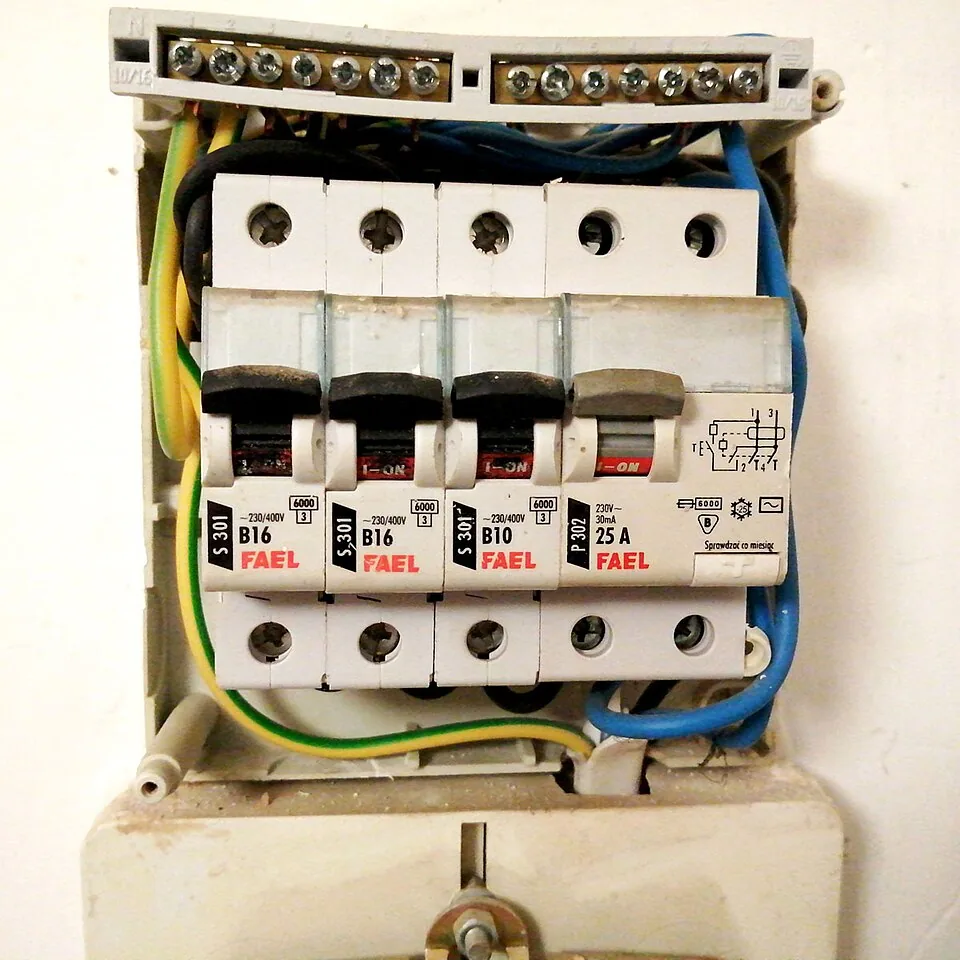

A viewing cannot certify an electrical installation
Saudi home electrical checks before buying should begin with safe observation and a qualified inspection plan. Working lights and a clean distribution board do not establish that the installation is safe, correctly sized or suitable for the appliances you intend to use. Ask a competent electrical professional to assess concerns; do not open electrical equipment, remove socket covers or touch exposed wiring during a property viewing.
This guide helps organise the questions and evidence around that assessment. It does not teach live electrical testing or replace a compliance inspection. Use the property viewing checklist to record visible conditions, then keep technical conclusions separate from your own observations. A specific written finding is more useful than a broad statement that the electrics look fine.
Define what the inspection should cover
Tell the inspector whether the home is occupied, vacant, newly completed or recently renovated. Explain the intended use and any high-demand equipment you expect to install. Ask what access, permission and safe isolation arrangements are required. Agree the scope before the visit so you understand which circuits, protective devices, accessible equipment and records will be considered.
Ask the inspector to identify limitations explicitly. Concealed cables, locked service areas, disconnected circuits and unavailable documentation can restrict what can be concluded. An assessment limited to accessible visual conditions should not be presented as a full installation test. Record what was inspected, what was not inspected and which additional investigation is recommended before purchase.
The Saudi Building Code system provides the official framework for building requirements. The qualified professional should identify the electrical requirements applicable to the particular building and work. This article does not assign one code edition to every existing Saudi property or presume that a visual defect proves a regulatory violation.
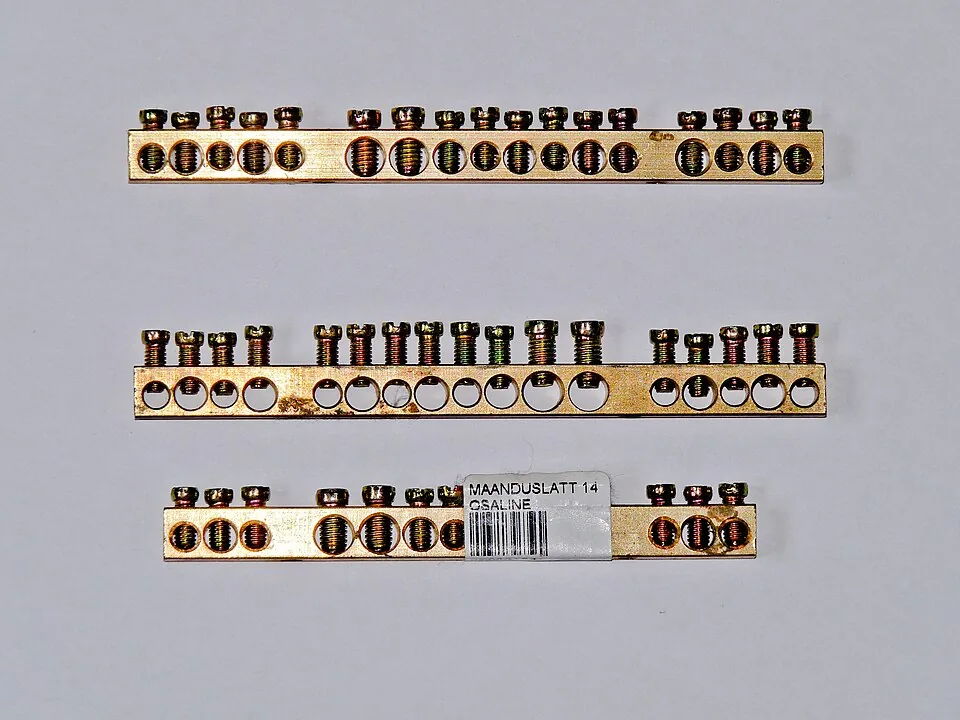

Record visible warning signs without investigating them
During an authorised viewing, photograph damaged faceplates, loose accessible fixtures, visible scorch marks or uncovered wiring from a safe distance. Note the room and exact location. If you smell burning, see active sparking or encounter an exposed electrical hazard, stop using the affected area and alert the responsible person. Do not attempt a repair to keep the viewing moving.
Observe whether rooms depend on multiple extension leads for ordinary use. This can reveal a practical shortage of suitable outlets, but it does not diagnose the concealed installation. Record your intended furniture and appliance locations and ask the inspector what changes would be needed. Adding outlets can involve circuit capacity, routing and reinstatement work rather than a simple cosmetic adjustment.
Look for inconsistent labelling or evidence of recent alterations that the seller cannot explain. These observations should lead to document requests and professional questions. They are not grounds for declaring the whole property unsafe. Avoid recording a suspected cause as a confirmed defect until someone qualified has established the finding and explained the supporting evidence.
Ask about alterations and equipment history
Request available installation records, renovation drawings, invoices and previous inspection reports. Ask whether kitchens, air-conditioning systems, water heaters or other equipment were added or replaced. A renovation can change the demands placed on the installation. The inspection should consider the actual present arrangement rather than only the original sales brochure.
For an apartment, separate the unit's installation from shared equipment and access arrangements. Ask who manages common distribution areas, lifts, pumps and emergency systems. A private-unit inspection may not cover these facilities. Follow the apartment service-charge review when examining how shared maintenance and larger replacement work are organised.
For air conditioning, coordinate the electrical assessment with the home AC inspection. Ask the relevant specialists to explain which findings belong to the supply and controls and which belong to the cooling equipment. This avoids buying a replacement appliance when the underlying problem has not been identified, or accepting conflicting quotations that describe different scopes.
Make repair quotations comparable
A useful electrical quotation names the finding, proposed work, included materials, access requirements and making-good work. Ask whether testing and written completion evidence are included. Separate essential safety work from optional upgrades or convenience improvements. This allows the purchase decision to reflect priorities rather than one undifferentiated renovation estimate.
Suppose one quotation covers replacement of damaged accessories while another includes circuit alterations and post-work testing. Their totals do not describe the same job. Ask each contractor to respond to the same inspection findings and explain any additional recommended scope. These are comparison questions, not an instruction to choose the lowest price or omit work the qualified assessor considers necessary.
Identify who authorises access and how disruption will be managed if the home is occupied. Confirm whether any required building permissions or service coordination must be arranged. Keep responsibility for arranging them visible in the written scope. A promise that a contractor will handle everything is too vague when the timing affects completion or move-in.
Close the findings with evidence
Put each material finding in the property snagging log, including its location, the inspector's description, recommended action and status. If the seller agrees to repair it, request the actual completion evidence and an appropriate reinspection. A photograph of a new cover plate alone may not establish that the underlying issue was resolved.
Before proceeding, distinguish confirmed repairs from outstanding limitations. Budget for the agreed scope and record any remaining uncertainty that could affect your decision. The aim is a documented assessment by someone competent, supported by traceable work where needed. That is a stronger basis for buying and occupying the home than an informal demonstration that a few lights switch on.
Sources and review
- Saudi Building Code system — reviewed 29 September 2026. Official primary context. Practical methods and fictional scenarios are original editorial analysis; no current market quotation is asserted.