
Inspecting a Saudi Home Bathroom Before Buying
Review bathroom fixtures, permitted normal operation, drainage, ventilation, room fit and the evidence to request before buying a Saudi home.
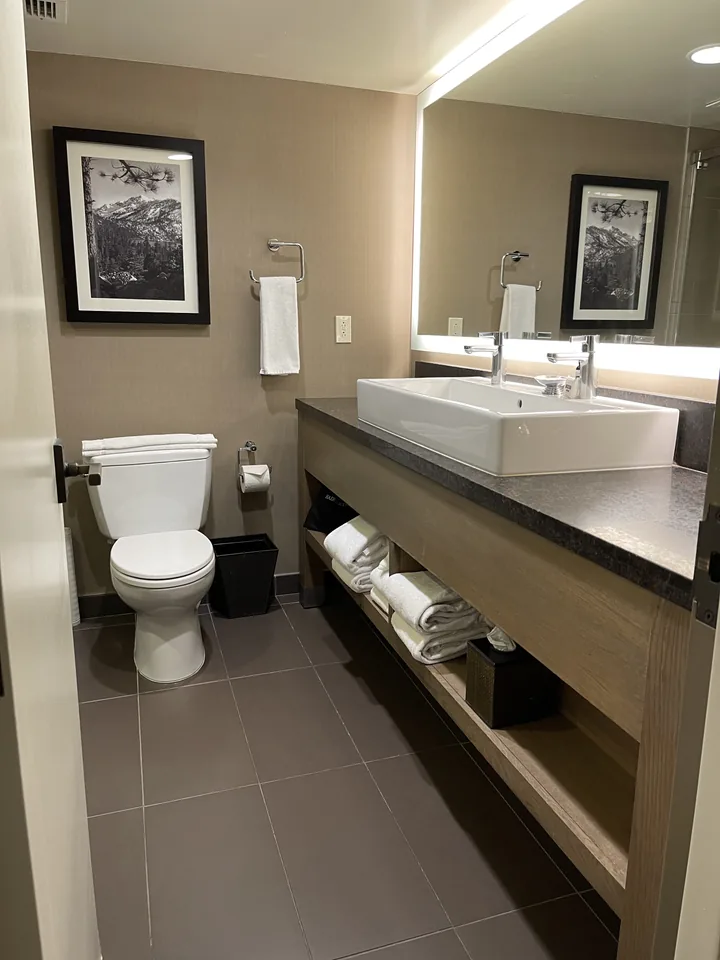

Before buying a Saudi home, inspect each bathroom as a working room: identify the included fixtures, observe authorized normal operation, check visible drainage and ventilation arrangements, and record what needs a specialist’s review. Attractive tiles and a new vanity do not establish that concealed plumbing or waterproofing is satisfactory. A useful viewing ends with a room-specific evidence record and a clear list of unresolved questions.
This guide, reviewed on 4 October 2026, is a practical observation framework rather than a technical compliance certificate. It does not set Saudi plumbing dimensions, flow requirements or electrical clearances. Obtain permission before operating fixtures, stop if operation creates a problem, and leave concealed or potentially unsafe systems to appropriately qualified professionals. The accompanying photographs illustrate bathroom features outside Saudi Arabia and are not listings or examples of verified Saudi compliance.
Prepare a room-by-room bathroom record
Give each bathroom a simple identifier that will still make sense after the viewing. Main bedroom bathroom, corridor bathroom and guest washroom are more useful than referring to a room only by its tile color. Record the date, the people present and whether the property was occupied, recently cleaned or being prepared for handover. Those circumstances can affect what was visible and what could be operated.
List the fixtures in that room: basin, taps, shower or bath, toilet, storage, mirror, ventilation equipment and any fitted accessories. Note which items are represented as included in the purchase and which may be removable personal property. A photo is useful for identifying an item, but it should not be treated as an agreed inventory without the relevant documentation.
Bring this record into the broader property viewing checklist. A bathroom review should add detail to a whole-home inspection rather than draw attention away from access, utilities, building condition and the other rooms that affect the buying decision.
Separate a visual viewing from a specialist inspection
An ordinary viewing can reveal whether a fixture is present, whether a visible surface is damaged and whether authorized operation produces an observable problem. It cannot expose every concealed pipe, establish the condition of a waterproofing layer or demonstrate that an exhaust duct reaches the correct destination. State this distinction in the notes so that an unanswered question does not become an accidental assurance.
Ask what inspection information already exists and which parts of the bathroom it actually covers. A report about a whole building may not address the specific room, while a receipt for one repair may establish only that a particular task was invoiced. Review the scope, date and limitations before relying on either document.
For compliance questions, ask the inspecting professional to identify the applicable current Saudi requirements and the work needed to assess them. The Saudi Plumbing Code’s official 2024 contents identify the plumbing framework; the full applicable requirements need professional review. This viewing checklist supplies no substitute numerical standard and cannot certify an installation from photographs or ordinary fixture operation.

Inspect the basin, tap and vanity together
Begin with the visible basin and its immediate surroundings. Note chips, cracks, worn surfaces and the fit between the basin, counter and adjacent wall. Open an accessible storage door only with permission and without moving stored items unnecessarily. Record staining, swollen board edges or other visible changes, while keeping the cause unresolved until it has been investigated.
If operation is authorized, use the tap normally and observe the outlet, basin and visible connections. Record whether water emerges, whether the control closes normally and whether water appears where it should not. Do not loosen a joint, dismantle a trap or force a stiff control. Those actions can cause damage and exceed the scope of a buyer’s viewing.
The vanity is also a functional choice. Consider whether its storage, door movement and position suit the intended household. A deep counter may look spacious while leaving less usable standing space; a large cupboard can still be difficult to access if another fixture obstructs it. Describe the particular limitation instead of assigning a generic quality rating.
Review shower fittings and the enclosure
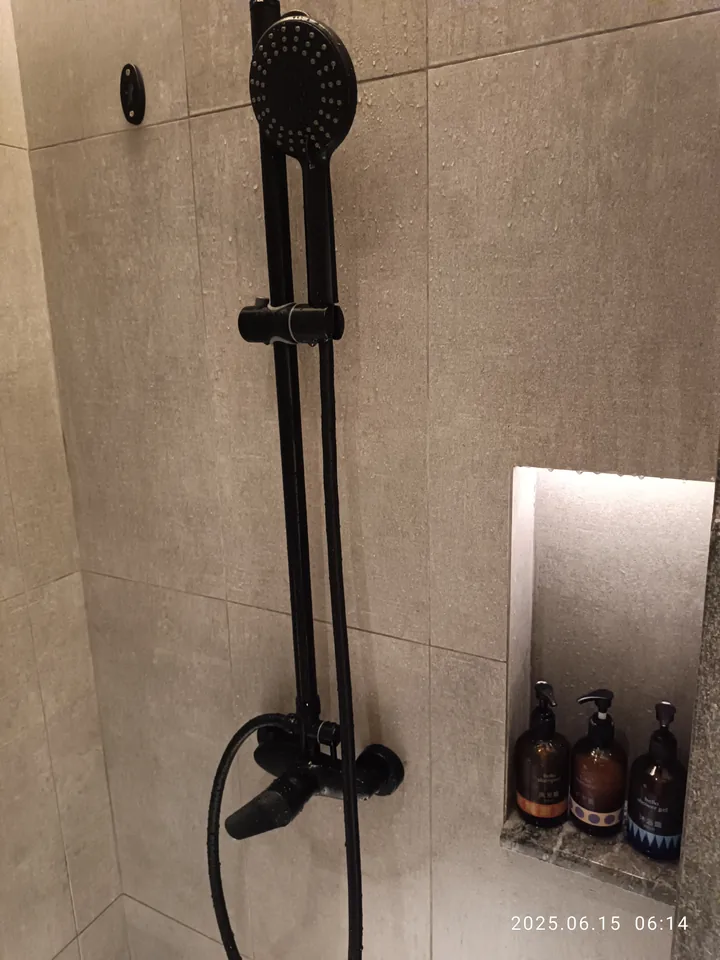
Identify the shower controls, outlet, hose where present, screen or door, threshold and visible drainage point. Check whether the fittings shown at viewing are the fittings described as included. If a specification or product record is provided, compare its identifiers with what is visible, rather than assuming similar-looking products have the same features or replacement requirements.
Operate a shower only with explicit permission and under normal conditions. Keep water within the intended wet area, avoid directing it deliberately at joints, and stop if escape or another problem becomes apparent. A buyer’s viewing should not become an improvised flood test. Where a controlled specialist test is needed, agree its scope and authorization separately.
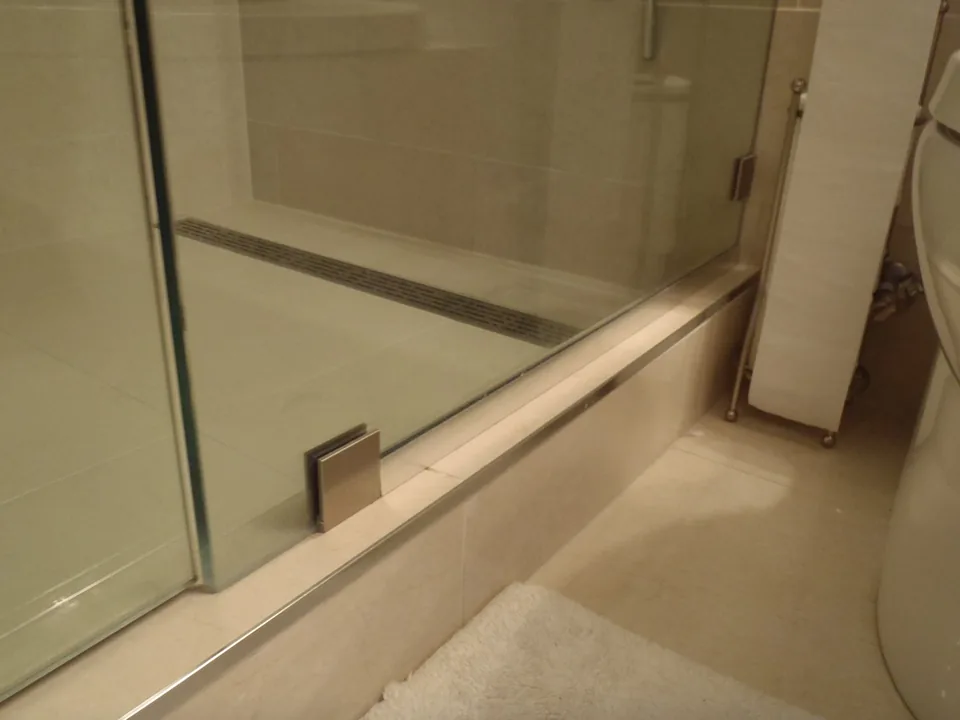
Observe how the door or screen moves and whether its position conflicts with the toilet, vanity or circulation space. Note visible damaged seals, loose-looking components or a difficult opening without attempting adjustment. A screen that can be photographed beautifully while closed still needs to be considered in the positions used during everyday entry, cleaning and maintenance.

Observe drainage without trying to diagnose the system
During permitted normal use, note where water travels on the visible surface and whether it leaves the intended area. Identify the actual drain location rather than assuming water will reach it because the floor is tiled. If there is visible pooling or slow discharge, record the fixture, conditions and observation precisely. Avoid assigning a concealed cause from that observation alone.
A clear note might say that water remained beside the shower threshold after authorized use, with the viewing time recorded. A less useful note says the waterproofing has failed without evidence establishing that conclusion. Drainage, surface shape, blocked components and other issues require their own assessment; a viewing result is a reason to ask a focused question.
The water-leak inspection guide explains how to pursue visible moisture concerns across a home. Use it for the wider investigation if a bathroom observation raises questions about adjoining rooms or ceilings below. Keep the bathroom checklist centered on room function and the evidence needed before buying.
Treat the toilet as a fixture with several interfaces
With permission, observe ordinary flushing and note any visible escape of water, failure to stop normally or difficulty operating the control. Do not repeat a flush that is clearly creating a problem. Photograph only what is needed to identify the fixture and visible issue, respecting an occupied home’s privacy and avoiding personal items.
Check the visible relationship between the fixture and the floor or wall. Record cracks, damaged surrounding finishes and any visible movement noticed during normal authorized use. Do not force the fixture to move as a test, remove covers or adjust concealed fittings. The notes should distinguish between something observed and something that was not assessed.
Ask about access for maintenance when a cistern or connection is concealed. A neat enclosure can be useful while still leaving a practical question about how a professional would reach the relevant component. Obtain the actual access arrangement or specification rather than assuming that an attractive finished panel can be removed without damage.
Ask where bathroom ventilation goes
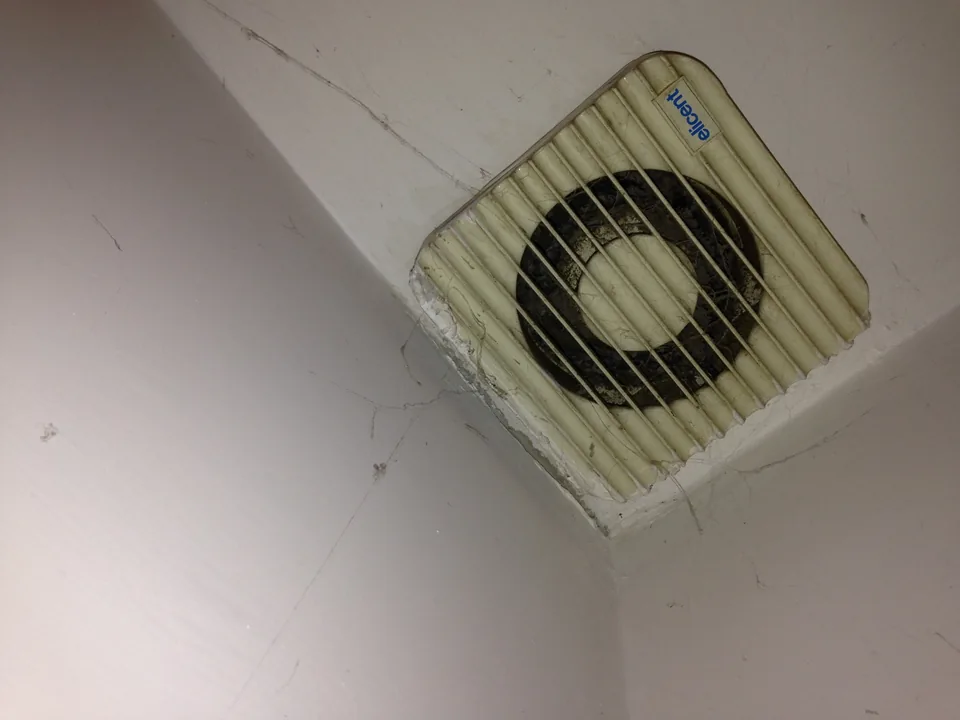
Identify the visible ventilation arrangement and its controls. A fan may be present, a window may be available, or another designed arrangement may be described. Record what you can see and what remains unverified. Hearing a fan motor is an observation about operation; it does not establish the airflow delivered or the destination of a concealed duct.
The US Environmental Protection Agency’s remodeling guidance advises venting bathroom exhaust outdoors rather than into an attic. This is general technical background from the United States, not a Saudi code requirement quoted by this article. Ask a qualified professional to review the installed route and applicable local requirements in the property being considered.
Also distinguish bathroom exhaust from room cooling. The presence of cooling equipment should not be treated as proof that bathroom air is extracted appropriately. If drawings or a specification are supplied, ask whether they correspond to the current installation. A later alteration could leave a difference between the document and what is actually fitted.

Read finishes as visible evidence, not hidden-system proof
Tiles, grout, joints and painted surfaces deserve attention because they form the room a household will use and maintain. Note cracked or missing finishes, open-looking joints and uneven or damaged edges. Keep the observation descriptive. A changed grout color alone does not establish the cause, depth or extent of a concealed problem.
Fresh decoration can improve appearance without explaining why it was undertaken. Ask when visible repairs were made, what prompted them and what work was actually completed. A useful response identifies the task and supporting record rather than simply describing the room as renovated. Where an underlying issue is alleged to have been repaired, request the evidence for that scope.
The EPA’s moisture guidance emphasizes addressing moisture problems rather than merely treating their visible consequence. This article does not identify a substance from a photograph or make a health diagnosis. Unexplained recurring dampness warrants a competent investigation and a defined repair scope before it is reduced to a cosmetic allowance.
Check usable space and everyday access
Consider the room with doors, drawers and shower screens in their normal open positions. Identify whether the intended user can reach the controls, move between fixtures and use storage without an obstruction. A viewing photograph usually shows a favorable arrangement, while daily use may involve several components open at once. Observe the actual relationships instead of judging the room only from its floor area.
For a household with specific access needs, measure or assess the relevant features through an appropriate professional review. Do not infer accessibility from a room being described as spacious. A threshold, control position, door movement or fixture arrangement may matter more than the overall visual impression. Record the particular need and the feature that must be checked.
Think about cleaning and routine maintenance as well. A gap that is difficult to reach, a fragile-looking accessory or an inaccessible service panel can affect future use. These are practical fit questions, separate from technical compliance. Keep them in the record so that the eventual decision reflects the household’s requirements rather than only the seller’s presentation.
Keep electrical questions within the right inspection scope
Record the visible presence of sockets, switches, lighting and powered equipment, together with any obvious damage or exposed component noticed during the viewing. Avoid touching damaged equipment or investigating an installation near water. The absence of an obvious visible problem is not evidence that the electrical system has been tested or complies with the requirements applicable to that room.
Do not improvise electrical tests using an appliance, open an enclosure or infer protective arrangements from the appearance of a socket. Ask the qualified inspecting professional what has been tested, what remains inaccessible and whether the report addresses bathroom installations specifically. Keep the answer attached to its scope rather than treating a general statement about the home as a detailed bathroom assessment.
In the buying record, make electrical uncertainty a separate item from a plumbing observation. Different professionals or tests may be required. Combining them into a vague note that the bathroom needs work makes it harder to obtain an accurate repair scope, agree responsibilities or compare the total implications of two homes.
Turn observations into a defined repair discussion
Sort the record into visible cosmetic issues, functional observations and questions requiring technical investigation. This is a way to organize follow-up, not a diagnosis or a rule that a particular defect always belongs in one category. An apparent cosmetic issue may require reassessment if further evidence reveals a deeper cause.
For each item needing attention, identify what remains unknown, who can assess it and which evidence would resolve the question. Obtain a defined scope before relying on a price. A quotation for replacing one fitting is not automatically a quotation for opening finishes, repairing concealed work, making good and testing the result. Avoid reducing a complex uncertainty to a convenient rounded deduction from the asking price.
Compare this with the kitchen inspection guide when evaluating the whole home. Several rooms may require work, and their costs and disruption can overlap. A room-by-room review helps prevent one impressive renovated bathroom from obscuring the cumulative preparation needed elsewhere.
Close the bathroom review with a follow-up record
Before leaving, check that every bathroom has been recorded and that any permitted operation has ended normally. Identify which fixtures were not operated, which areas were inaccessible and which documents are still awaited. A note saying not tested is more useful than a silent blank that another reader might interpret as satisfactory.
Set out the next actions in plain language: obtain the inclusion list, request a relevant repair record, commission the scoped inspection, or review a specification against the current installation. If work is promised before handover, document the agreed scope and arrange appropriate verification rather than assuming the issue is resolved because a verbal assurance was given.
The final buying question is whether the bathroom’s function, condition, repair implications and unresolved evidence fit the household’s requirements and the wider purchase decision. A careful review does not need to claim certainty about concealed systems. It needs to make visible observations reproducible, technical questions explicit and the remaining work clear enough to investigate before relying on the room’s appearance.
Sources and review
- Saudi Building Code: SBC701-CR-2024 table of contents — reviewed 4 October 2026. Official contents identify plumbing framework. Not the full technical clauses; no numerical requirement or compliance judgment claimed.
- US EPA: Indoor environmental concerns during remodeling — reviewed 4 October 2026. General technical background on exhaust routing outdoors; US source, not a quoted Saudi code requirement.
- US EPA: A brief guide to moisture in the home — reviewed 4 October 2026. Moisture-source investigation principle only; no identification of a substance, health diagnosis or numeric threshold.