
Apartment Parking in Saudi Arabia: Check the Actual Right
Check an apartment parking space in Saudi Arabia against plans, property rights, building rules and the practical access your household needs.

A marked space is not the whole answer
Before buying an apartment in Saudi Arabia, establish whether the advertised parking space is part of the unit's documented rights, an allocated use of a shared area or an arrangement that needs further confirmation. A painted number, a remote control and a seller's usual parking habit are useful observations, but they do not settle the legal nature of the space. The question is which right you will actually receive with the apartment.
This guide focuses on parking evidence rather than interpreting a particular title or agreement. Start with the purchase contract checklist and treat parking as an inclusion to review explicitly. If an answer affects your decision, it belongs in the reviewed transaction documents, with advice where needed, rather than only in a message from the salesperson.
Identify the space and the supporting record
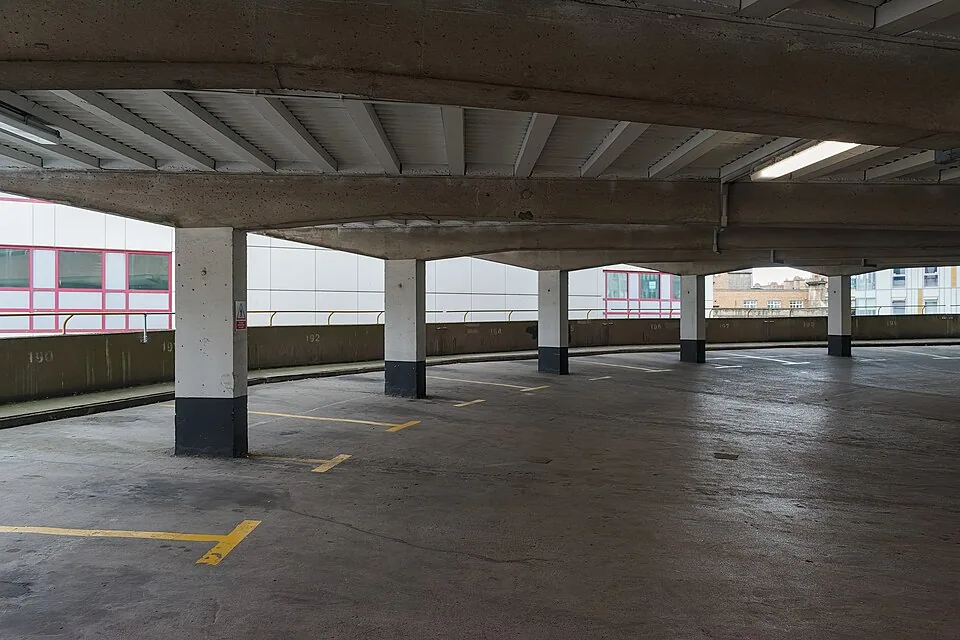
Record the parking level, space number and access route. Photograph the marking where permitted and compare it with the plan supplied for the unit. Check whether the unit reference on the plan matches the property being sold. In a development with several buildings, a parking number alone may be ambiguous; add the building, entrance and basement or surface level so the description cannot refer to another location.
Ask which document establishes the claimed right. Depending on the property, the relevant evidence may include subdivision information, title records, an approved plan, the sale agreement and building management documents. These records serve different purposes. A brochure can describe the offer, but it is not a substitute for the document establishing the right. Ask a qualified reviewer to resolve inconsistent descriptions rather than selecting whichever document seems most favourable.
The REGA law on ownership, subdivision and management of real estate units provides the official framework for shared property. It distinguishes subdivided units and common parts. That distinction matters when a parking claim concerns shared space: do not assume that access or an improvement creates a separate ownership right.

Distinguish ownership, allocation and everyday access
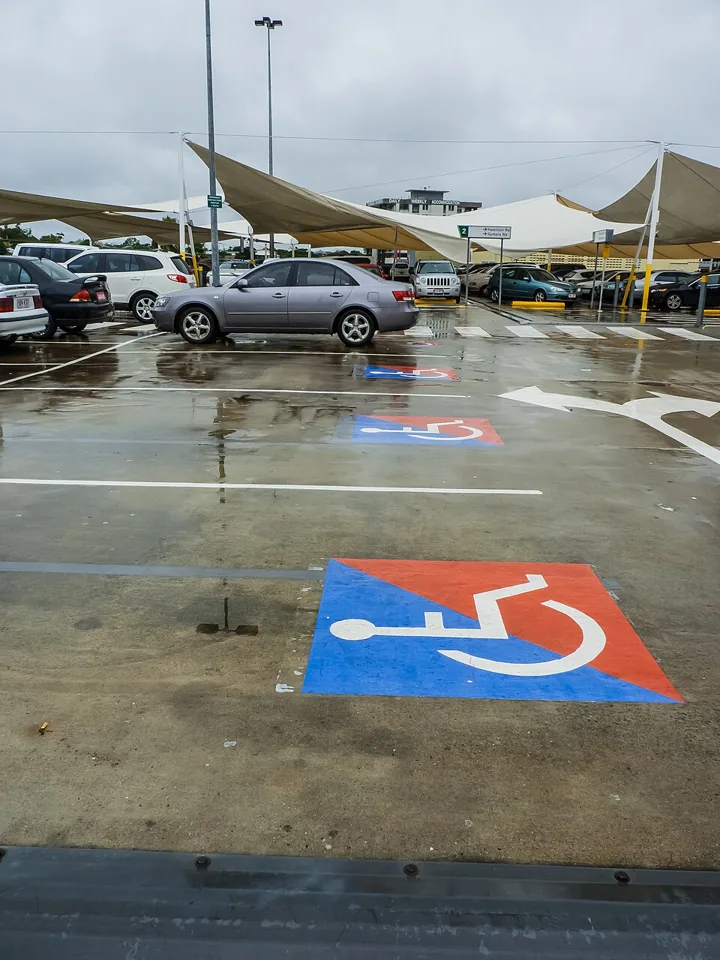
Write the seller's claim in plain language: a separately identified space, an exclusive use allocation, or access to parking subject to building arrangements. Then ask the reviewer which description the actual documents support. Avoid replacing precise wording with a general promise such as parking included. That phrase leaves unanswered how many spaces are involved, where they are located and what restrictions apply.
Ask how visitors, second cars and temporarily unavailable spaces are managed. A household may need two vehicles even where only one space is associated with the apartment. Check whether additional parking is available through a separate agreement and whether that agreement can continue after the sale. Do not include informal roadside parking in the apartment's permanent benefits or assume a neighbour's unused space will remain available.
The Mullak platform information explains the owners' association's role in organising shared property management. Building rules and the association's current records can help explain day-to-day operation, but the manager should identify the authority for any allocation rather than simply confirm that the seller currently parks there.
Test whether the space works for your car
Inspect the actual route from the street to the space. Note gate clearance, ramp turns, columns, lighting and visibility. If permission allows, test the space with your own vehicle or one of comparable size. A bay can look generous when empty but become difficult to use with cars on both sides. Record practical limitations without making structural or safety conclusions that require specialist assessment.
Consider the journey from parking to the apartment as well. Check lift access, steps, door widths and the route when carrying shopping or helping a family member. Ask whether the relevant entrance is available at the times you normally arrive. If access depends on a remote, card or app, establish how replacements and additional users are handled. Include these observations in the property viewing checklist, so parking is assessed as part of everyday use.
Do not carry out unauthorised tests of barriers, electrical equipment or emergency systems. Report visible defects to the responsible party. Ask who maintains the gate and lighting, how outages are reported and whether the related costs appear in the shared building budget. The goal is to understand reliability and responsibility, not to prove everything works by forcing equipment during a viewing.
Resolve differences before the purchase decision
An illustrative problem is a listing promising two spaces while the supplied plan labels one. Another is a space number in a message that differs from the number shown during the visit. Neither discrepancy should be dismissed as a harmless naming issue without evidence. Ask for the corrected reference, its basis and confirmation in the documents reviewed for the purchase. Keep the original claim as part of the record.
If parking is important enough to affect the price or suitability, state that clearly to the professionals reviewing the agreement. Ask how an unresolved parking issue affects your proposed commitments and which contractual wording is appropriate. Avoid inventing your own condition or relying on an assumed cancellation right. The answer depends on the transaction and governing documents.
Confirm the same right at handover
At handover, compare the actual space and access devices with the reviewed records. Note missing controls, blocked access or changed markings, and identify who will address each issue. Keep parking in the handover checklist rather than treating it as a minor item after the apartment has been accepted.
Your final record should explain the space's identity, the documented right, the practical access and any unresolved question. This gives you a clearer basis for purchase and future management. A parking photograph is helpful; a photograph connected to the correct documents and a tested everyday route is much more useful.
Sources and review
- REGA Mullak platform — reviewed 29 September 2026. Primary source for factual context; examples and decision methods are original editorial analysis.
- REGA joint real estate ownership law — reviewed 29 September 2026. Primary source for factual context; examples and decision methods are original editorial analysis.