
Saudi Property Utilities: Organise the Handover
Organise Saudi property utility handover through verified meter references, agreed responsibilities, readings and provider confirmations.
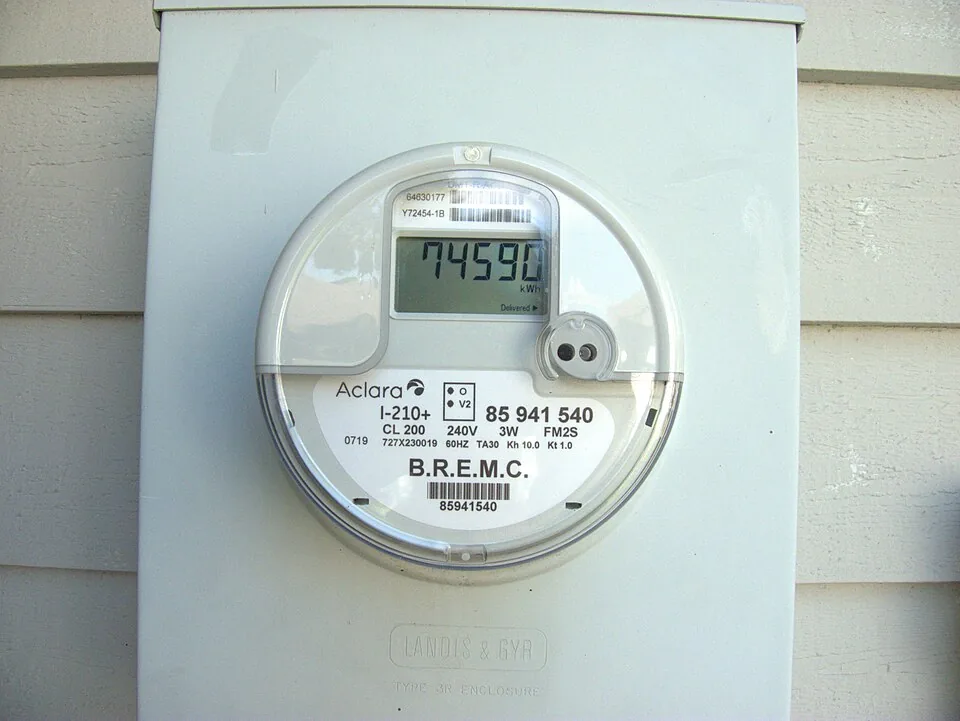

Match the service, meter and responsibility
Saudi property utility handover should establish which services supply the unit, which meters or accounts correspond to them and who is responsible at each stage of completion. A working light or running tap does not show that the account transition is arranged. Coordinate the service records with the property handover date and document the agreed responsibilities rather than assuming the seller's account transfers automatically.
This is a practical organisation guide, not a statement that one procedure applies to every Saudi property or provider. Requirements depend on the service, property and customer circumstances. Use the property handover checklist to keep keys, condition and service arrangements in one completion plan, then verify the applicable process through the actual provider's official channels.
Identify the services supplying the home
List electricity, water and any other relevant building or household services separately. For each, record the provider or responsible building party, available account reference, meter identifier and supply location. In an apartment building, some services may be shared or managed collectively. Ask how the unit's charges are determined rather than presuming every service has a separate customer account.
Match the meter to the actual property using the available official records and authorised assistance. A label on a cabinet is useful but should not be your only evidence if identifiers conflict. Do not open restricted equipment or attempt to trace live connections yourself. Escalate unclear references through the provider or responsible building party before treating a bill as belonging to the purchased unit.
The Saudi Electricity Company is an official starting point for its electricity customer services. Use the relevant provider's current process to establish the required documents and actions. This article does not quote a fixed transfer fee, processing time or document list because those details should be checked against the actual service and customer case.
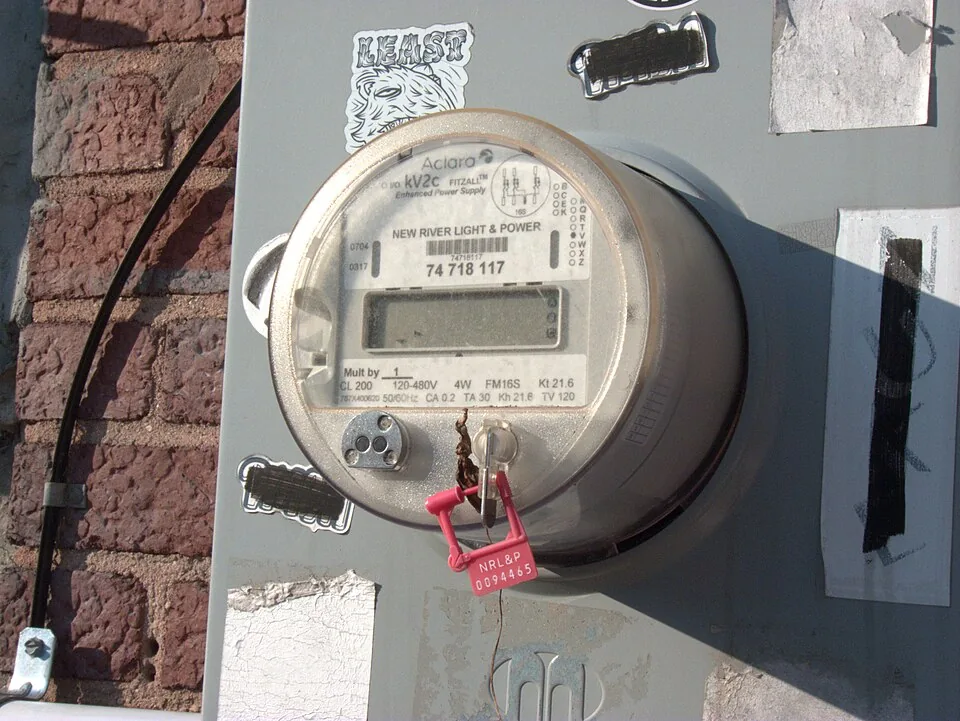

Agree the transition date and actions
Set out the proposed handover date and the intended sequence of service actions. Identify who will submit each request, what confirmation is expected and how the parties will handle a timing change. Completion of the property transaction and completion of an account process are related events, but they should not be treated as the same administrative action.
Keep utility responsibilities aligned with the purchase contract checklist. Ask the appropriate adviser to clarify any contractual allocation or disputed amount. A casual promise to settle everything later is not a reliable way to handle charges that could be questioned after possession. Record the agreement and preserve the supporting documents.
If the home is occupied, coordinate authorised access and avoid causing an unnecessary interruption through a poorly timed request. Ask the provider what arrangements are available for the transition. Do not cancel a service on someone else's behalf or rely on access to their private credentials. Each party should use an appropriate authorised route and retain its own confirmations.
Record readings and account evidence
Where accessible and appropriate, photograph the meter identifier and reading at the agreed handover time. Record the date and keep the image with the handover documents. Ask how the reading is used in the provider's process; a photograph alone does not settle a billing question or replace an official account statement. Some systems may use a different measurement or collection arrangement.
Request relevant statements or confirmations through authorised parties, with unnecessary personal information removed where possible. Separate the meter reading from the account balance and from any contractual responsibility for charges. These are different records. A current zero balance is useful evidence at a particular time, but it does not itself explain every future adjustment or unresolved billing issue.
For a tenanted purchase, review the buying a tenanted property guide. Establish whether services are arranged by the tenant, owner or manager and how the existing lease addresses them. Do not disrupt an occupant's service merely because ownership changes. The transition needs to reflect the actual agreements and authorised provider procedures.
Check physical operation separately
During an authorised handover, record whether the relevant supplies were available and whether included equipment operated normally within the agreed inspection scope. An account confirmation does not establish that a faulty fitting has been repaired. Likewise, normal equipment operation does not establish that a provider request is complete. Keep physical condition and administrative status in separate columns.
Use the home electrical inspection guide for technical concerns, and obtain qualified help where needed. Never reconnect equipment or operate unfamiliar restricted controls to restore a service yourself. If a supply is unavailable, document the reason given and the resulting inspection limitation rather than marking untested systems as satisfactory.
For shared-building services, ask whom to contact and how residents receive notices. Record any operating instructions supplied with the unit. The goal is a usable transition record: who manages the service, how faults are reported and which confirmations remain outstanding. Avoid storing passwords or unnecessary private account information in an ordinary property document folder.
Close the handover with a service schedule
Create a final schedule showing each service, its verified identifier, the responsible party, the action submitted and the confirmation received. Keep unresolved items visible with a contact and next step. If a request is pending, describe it as pending rather than completed. This makes follow-up more efficient and prevents a successful property handover from concealing unfinished service administration.
Include confirmed costs and timing in the completion budget. Preserve statements, reading photographs and official confirmations alongside the handover record. A well-organised utility transition gives you a clear starting point for occupation and a traceable basis for resolving later questions without relying on memory or informal messages.
Sources and review
- Saudi Electricity Company — reviewed 29 September 2026. Official primary context. Practical methods and fictional scenarios are original editorial analysis; no current market quotation is asserted.