
A Saudi Property Snagging Log That Leads to Repairs
Build a clear Saudi property snagging log with locations, photographs, responsible contacts, repair status and evidence of reinspection.
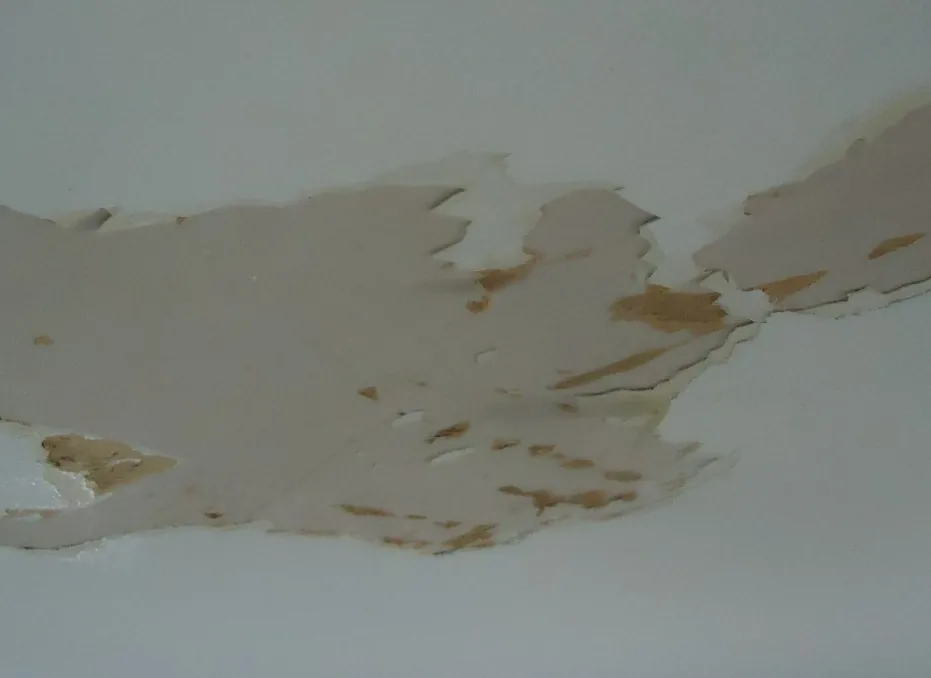

Turn each defect into an actionable record
A useful property snagging log records what you observed, exactly where it is, the evidence supporting it and the person responsible for the next action. For a Saudi home, that means connecting each item to the agreed specification and handover process, rather than collecting a long list of complaints without locations or follow-up. The log supports inspection and coordination; it does not establish technical causes or legal remedies by itself.
Use it alongside the broader property handover checklist. Handover includes access, documents and operating information as well as defects. This article concentrates on how to describe and track individual observations so the responsible team can locate them, respond and demonstrate what was done.
Give every item one clear identity
Assign a short reference such as Kitchen-01 or Bedroom-02. Describe one issue per item. A sentence listing a leaking tap, scratched cabinet and missing handle is harder to close than three separate records because different people may address the problems on different dates. Keep the reference unchanged through later photographs and comments so the history remains understandable.
Specify the room, wall or fitting, using directions that someone unfamiliar with the apartment can follow. For example, left cabinet below the sink when facing the kitchen window is more useful than kitchen damage. Add a wide photograph for location and a closer photograph for detail, where photography is permitted. Include the observation date and avoid editing an image in ways that exaggerate or conceal the condition.
Describe what is visible or what occurred during an authorised test. Water observed below the sink after the tap was used is an observation. Failed waterproofing is a technical conclusion requiring appropriate assessment. The Saudi Building Code system provides the official code framework; a buyer's snagging sheet cannot certify compliance with it.
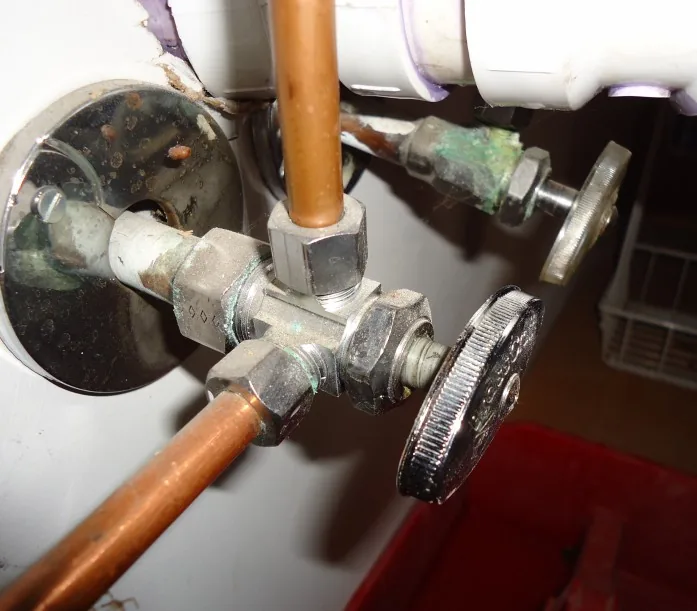

Separate defects, omissions and unanswered questions
Use distinct categories. A chipped surface is a visible condition item. An appliance absent from a documented inclusion is a potential scope discrepancy. A locked room that you could not inspect is untested, not passed. A material that differs from a marketing photograph needs comparison with the agreed written specification before it can be described as a contractual omission.
For an off-plan purchase, refer to the written specification guide. Record the exact document and version supporting the expected inclusion. If the agreement allows certain changes, ask the appropriate reviewer how that provision affects the item. The log should preserve the question without inventing a right to a particular remedy.
Add a priority based on practical impact: a condition affecting safe use, a function that needs assessment, a visible finish item or a question needing documentation. Do not continue operating equipment that appears unsafe. Ask the responsible party or a qualified specialist to assess it. A buyer's urgency label helps organise responses but should not substitute for technical triage.
Agree the next action and its owner
For each item, record who received it and what response was provided. Distinguish acknowledgement from acceptance of responsibility, and acceptance from completed work. If the team says it will inspect, the next action is inspection; do not mark repair agreed unless that is what the response actually confirms. Keep the recipient and date so later follow-up does not depend on someone's memory of a conversation.
A fictional example is Kitchen-01: water beneath the sink after an authorised tap test; photos attached; sent to the handover representative; plumbing assessment requested; response pending. Once work occurs, add the work description and reinspection result. This record is specific enough to progress without diagnosing the cause prematurely or claiming that a repair has been verified before you revisit it.
Ask how the log will be incorporated into the transaction's handover process and what the signed forms mean. Review any wording about acceptance, outstanding work or later claims with the professionals assisting you. The purchase contract checklist helps connect those questions to the agreement. Do not assume that signing a separate snagging sheet automatically changes every other document.
Recheck the result rather than the message
When an item is reported complete, compare the new condition with the original observation. Record who checked it, when and under what conditions. A photograph from the contractor may show work, but it may not establish that the original functional problem has stopped. Where a specialist assessment is needed, request the relevant report instead of closing the item on a cosmetic improvement alone.
Use clear statuses: open, awaiting assessment, action agreed, reported complete, rechecked or unresolved. Avoid a single closed label that hides whether the buyer actually verified the result. If testing was not possible, state that limitation. For intermittent problems, preserve the conditions of the original observation and ask the specialist which follow-up is appropriate.
Keep a readable final file
Maintain one current log with links to the supporting photographs, responses and reports. Retain earlier versions as superseded. The property evidence file guide explains how to make that history traceable without scattering it across chat threads. Share personal or sensitive records only through an appropriate route.
Before your final handover review, identify the items still open, who owns the next action and which date or condition governs follow-up. A short accurate list is better than a large document full of repeated or unsupported claims. The log succeeds when each observation can be found, understood and followed through to an evidenced outcome.
Sources and review
- Saudi Building Code system — reviewed 29 September 2026. Primary source for factual context; examples and decision methods are original editorial analysis.