
Choose a Saudi Rental Unit Size by Tenant Fit
Compare smaller and larger Saudi rental units using tenant fit, local evidence, cash stress and exit choices, with an illustrative example.
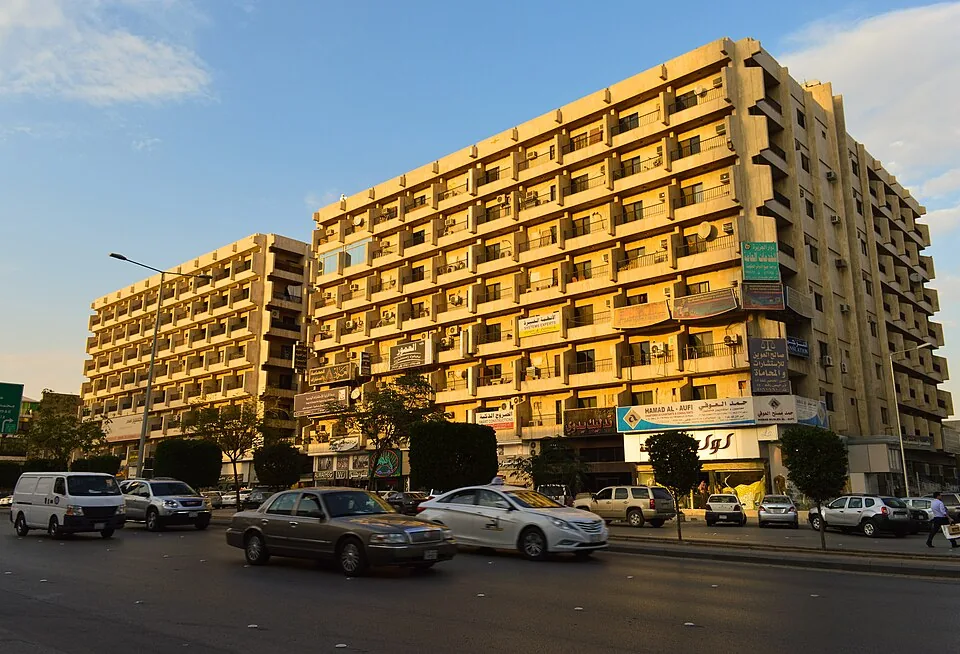

Choosing between a smaller and a larger Saudi rental unit is a question about the likely tenant pool, usable layout, operating costs and exit options, not just advertised rent per square metre. A studio that looks efficient on a spreadsheet can be difficult to let if its location and layout do not suit the people who actually search there. A larger unit can command a higher nominal rent while tying up more capital and carrying a longer vacancy. Investors should test both units against evidence from the same local market and keep every uncertain assumption visible.
This is an original comparison method, not a claim that one bedroom count performs better across Saudi Arabia. The Real Estate General Authority's Ejar platform provides the formal context for documented rental relationships; it does not turn an online asking price into a signed lease. For the market side, our rental-comparables guide explains how to collect comparable offers and completed evidence without mixing different places or unit specifications.
Define a like-for-like decision
Start with the same investment budget, intended holding period and geographic search area. Then write down what each candidate really offers: internal usable space, number of bedrooms and bathrooms, parking, building age, lift access, air-conditioning, furnishing, services and commute connections. A “two-bedroom” label alone says little about how the rooms work. An awkward layout or absent parking can narrow the tenant pool even if the floor area looks generous.
Location needs more precision than a district name. Compare the walk or drive to the relevant employment, education and service destinations under realistic conditions. A building on one side of a major road may behave differently from another in the same neighborhood. Avoid assuming that all local demand is tied to a single employer. If it is, record that concentration explicitly as an investment risk.
Build a tenant-pool hypothesis
For each unit type, list at least two plausible tenant groups and the features they would actually need. A compact unit might suit a single occupant who values commute and low total cost. A larger unit might suit a household that needs storage, school access and reliable parking. These are hypotheses, not demographic facts about a particular Saudi city. Test them through documented local enquiries, comparable live listings, conversations with licensed property managers and, where accessible, historic lease evidence.
Separate the count of competing listings from the count of qualified applicants. Ten similar advertisements may represent a crowded supply, duplicated marketing or several very different buildings. A single successful lease is evidence about one transaction, not proof of a stable citywide rate. Record the date, precise area, property condition and advertised versus contracted amount for every observation. The asking-price versus sale-evidence article focuses on sale values, but its evidence hierarchy is useful here too.


Run the same cash test for both units
Consider an illustrative choice between Unit A, a small flat bought for SAR 600,000, and Unit B, a larger flat bought for SAR 900,000. Suppose documented local evidence supports a proposed annual rent of SAR 42,000 for A and SAR 60,000 for B. The simple gross yields are 7% and about 6.7% respectively. Those ratios are arithmetic only: the prices and rents are fictional, and neither is a Saudi market benchmark or a forecast.
Now add a hypothetical one-month vacancy for A and two months for B, plus the actual building charges, maintenance provision, management costs and any finance payments. The effective-rent concept is explained in our guide to rental concessions. Keep vacancy and concessions separate so the same loss is not counted twice. A larger property may have a different repair profile, but the direction and size need property-specific evidence.
Show a base case and an adverse case for each unit. For example, ask what happens if the first lease begins two months later than planned or an air-conditioning replacement occurs. Present the cash shortfall in riyals and months of reserve, not just as a revised yield percentage. Our vacancy-reserve stress test provides a framework for the reserve. Neither candidate should rely on an unexplained assumption of uninterrupted occupancy.
Include management and exit effort
The number of tenancies and the time between them may matter more than the headline unit size. Some compact units could turn over more often in one building; elsewhere, a larger home might have a thinner applicant pool and longer marketing periods. Do not convert either possibility into a rule without local records. Ask a prospective manager what the service includes, how showings and repairs are billed, and how vacancy reporting works. The property-management fee comparison helps translate a fee quote into actual work.
At exit, compare who might buy each property, the likely competing stock and the total cash needed to sell. A high rental yield is less attractive if the unit is unusually hard to finance, inspect or resell. This is a scenario question, not a promise of liquidity. Ask whether the same features that deter tenants could also deter future buyers, and whether a building-level issue affects both unit types equally.
Decide from evidence, not a unit-size slogan
A useful decision sheet places the two units side by side with an evidence link, date and confidence level for each field: price, achievable rent, likely vacancy, charges, repair exposure, tenant fit and exit alternatives. Mark unknowns rather than replacing them with a citywide average that cannot describe the building. If a small change to one unsupported assumption reverses the preferred choice, collect more evidence before negotiating.
The practical next step is to shortlist two genuinely comparable buildings and ask for written unit specifications, current cost information and verifiable lease evidence. The result may favor either size or neither. The point of this method is to make the reason inspectable, so a later lease or repair bill can be compared with the assumptions that led to the purchase.
Sources and review
- REGA Ejar platform — reviewed 1 October 2026. Official documentation context; example prices and rents are fictional, not market data.