
Riyadh Metro and Property: Measure the Whole Journey
Assess Riyadh metro access from the property door to the destination, including walking routes, transfers and realistic commute evidence.
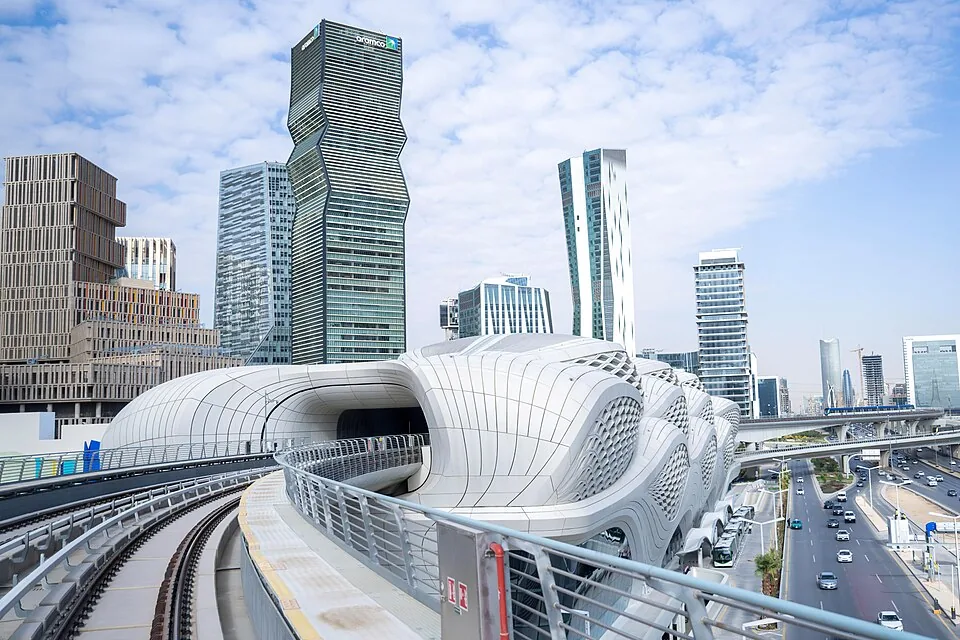

Measure the journey from the front door
For Riyadh property research, metro access should be measured as a complete journey from the home's door to the destination. Distance to a station is only one component. Walking routes, road crossings, entrances, transfers and the final trip from the destination station all affect whether the connection is useful. A listing's claim that the property is near the metro does not establish a practical commute or a future increase in value.
Riyadh Municipality's metro overview describes the six-line network and its phased opening beginning in December 2024, with all six lines operating from January 2025. This is established transport context, not fresh launch news. This article offers an original property assessment method and makes no claim about a measured metro-related price premium.
Define the destinations that matter
Choose actual destinations before judging access: workplace, education, healthcare or regular family journeys, as relevant to the proposed occupant. A connection to one part of Riyadh may be excellent for one household and inconvenient for another. Do not assume proximity to a celebrated business district makes every commute easier. Write the destination entrance or building, not simply a broad district name.
The Riyadh city guide provides broader location context. Use the transport network to narrow the question to the household's real routes. If the apartment is an investment, define a plausible tenant profile but treat its demand as a hypothesis requiring rental evidence. Network access alone cannot establish how many people want the unit or what they will pay.
Check current official journey information and station status when assessing the route. The RCRC open data portal lists transport datasets, including metro lines and stations. Data can help identify the network, but an older dataset should not replace current operating information for a particular trip. Keep the date of every route check with your notes.
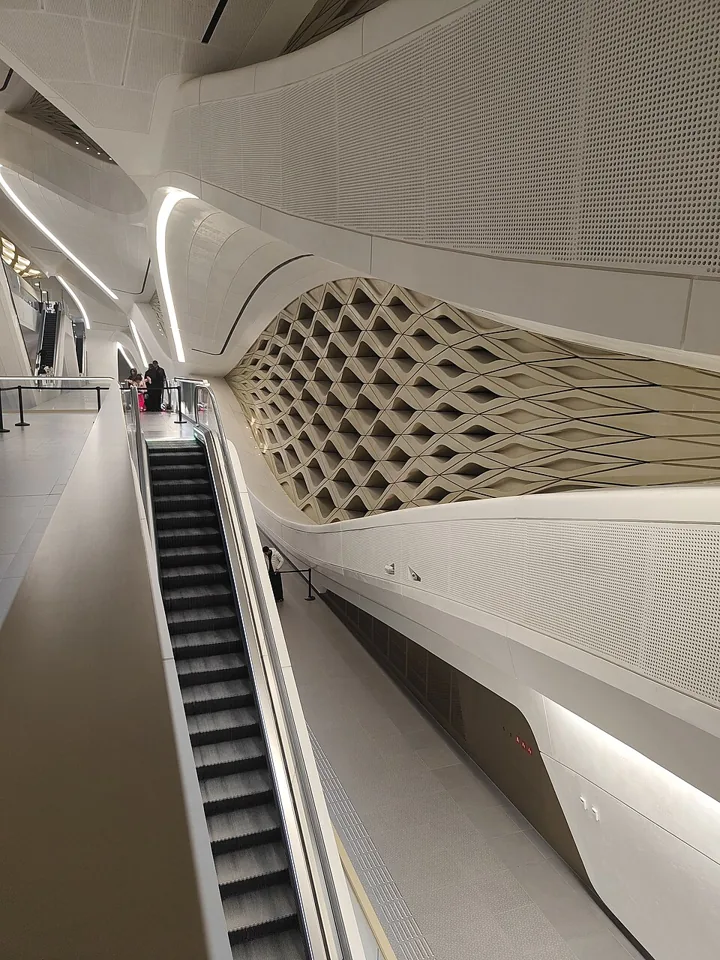

Test the first and last parts of the trip
Walk the legal, accessible route from the property entrance to the actual station entrance, where safe to do so. A straight-line map measurement can hide a divided road, a boundary wall or a substantial detour. Note pavement continuity, crossings, shade and the route with shopping or a stroller if these matter to the household. Do not recommend crossing roads outside appropriate facilities to achieve a shorter time.
Record the conditions of the test. A comfortable walk on a mild evening does not describe every summer journey. The climate and seasons guide helps frame seasonal planning. Avoid claiming a route is suitable year-round because you visited once; describe what you observed and which conditions still need consideration.
Repeat the exercise at the other end. A station named after a district may still leave a meaningful distance to the workplace door. Include lifts, escalators or other access needs in the route review without assuming they are always available. Current service information and the occupant's own requirements should determine whether an alternative route is needed.
Compare door-to-door time honestly
Break the journey into walking, waiting, riding, transfers and final access. Use observed or current official information where available and identify estimated components. A twenty-minute train ride is not a twenty-minute commute when the rest of the journey adds another twenty minutes. Compare with the household's alternatives at relevant times, rather than a car journey measured during unusually quiet traffic.
For a fictional example, Home A might require eight minutes to reach the station, twenty minutes of riding and ten minutes at the destination end, before waiting or transfers. Home B might be further from a station but allow a simpler direct trip to the actual workplace. These invented timings do not describe Riyadh properties. They show why station distance alone can rank homes in the wrong order.
If a transfer is necessary, check the actual connection and allow for the time it adds. Do not infer a through journey from two lines that appear close on a simplified map. Keep the journey reproducible: station names, direction, destination and time of review should be clear enough for another person to repeat the assessment.
Connect accessibility to the unit's overall suitability
Review the apartment layout, building access, parking arrangement and everyday services alongside the commute. Strong transport access cannot compensate for a unit that fails essential household needs. Use the property viewing checklist to avoid allowing one attractive feature to dominate the decision.
For investment analysis, separate a useful access feature from a rental-price assumption. Compare relevant units and identify how location, size, condition and furnishing differ. Do not assign a percentage premium merely because the metro exists. A practical commute may strengthen a tenant proposition, but actual achievable rent and occupancy still require evidence.
Keep a route record you can update
Save the assessed route, date, conditions, measured or estimated times and any accessibility questions. Recheck it before a decision if service information or the intended destination changes. A good location note explains why the connection works for a specific user rather than repeating a generic near-metro claim.
Riyadh's transport network offers another way to evaluate where to live and invest. Its value in your decision becomes clearer when you measure the complete journey and pair it with the property's actual characteristics. That is a defensible accessibility assessment; it does not require predicting a guaranteed property-price effect.
Sources and review
- Riyadh Municipality metro overview — reviewed 29 September 2026. Primary source for factual context; examples and decision methods are original editorial analysis.
- RCRC open data, transport datasets — reviewed 29 September 2026. Primary source for factual context; examples and decision methods are original editorial analysis.