
Saudi Rental Turnover: Budget Between Tenancies
Budget Saudi rental turnover through readiness tasks, repairs, foregone receipts and payment timing using clearly fictional examples.
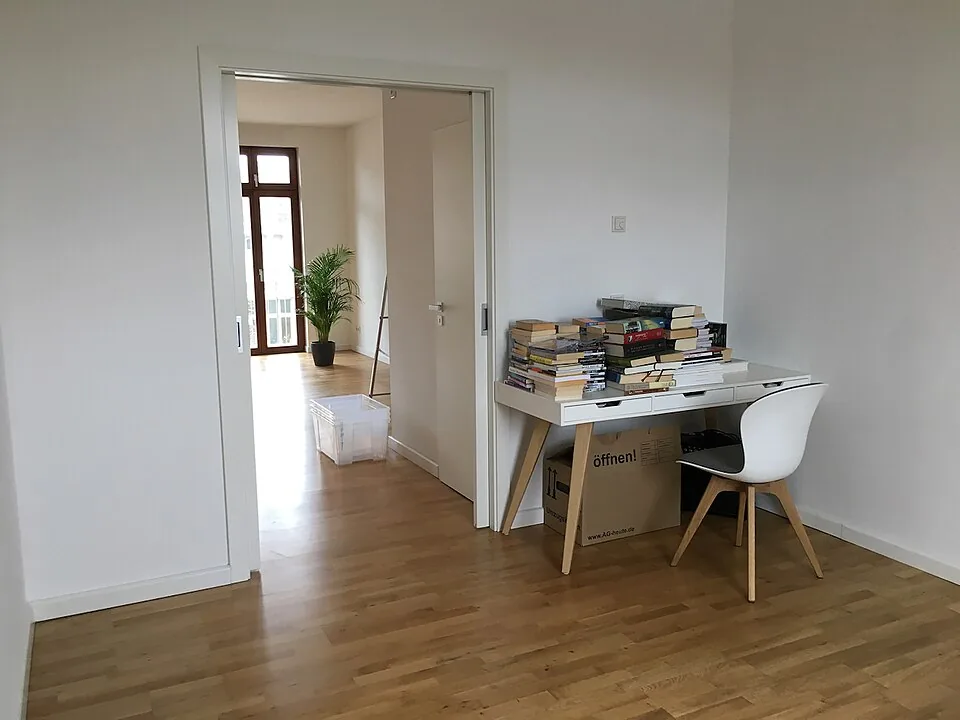

Budget for the gap between occupants
Saudi rental tenant turnover cost includes the work and cash timing between one tenancy ending and the next beginning. Lost rent is only one part. Cleaning, repairs, marketing, authorised inspection, management work and equipment replacement may arise together. A useful budget separates those items, records the lease and condition evidence, and avoids treating the whole changeover as a fixed number of vacant days.
This is an investment planning method rather than a claim about typical Saudi turnover costs. Use the rental yield guide for the overall income calculation, then add a property-specific turnover schedule. Costs, responsibility and payment dates depend on the actual unit and agreements; invented examples below illustrate arithmetic rather than market quotations.
Separate responsibility from the owner's cash need
Review the lease, condition records and relevant communications before allocating an expense. An owner may need to arrange work promptly even when responsibility for a particular cost remains under review. Keep that immediate cash requirement separate from an assumed recovery. A deposit or disputed payment is not money you can automatically treat as settled income.
The Ejar official service information is a starting point for documented rental arrangements. Check the actual agreement and obtain appropriate advice where rights or deductions are disputed. This article does not set a universal deduction rule. The analysis should identify who is responsible under the relevant documents rather than infer liability from the fact that an item needs replacing.
For a property acquired with a tenant already in place, read the tenanted purchase guide. Establish which records and obligations transfer with the arrangement. A weak starting inventory can make later condition comparisons harder. Treat missing evidence as a planning limitation rather than inventing an original condition.
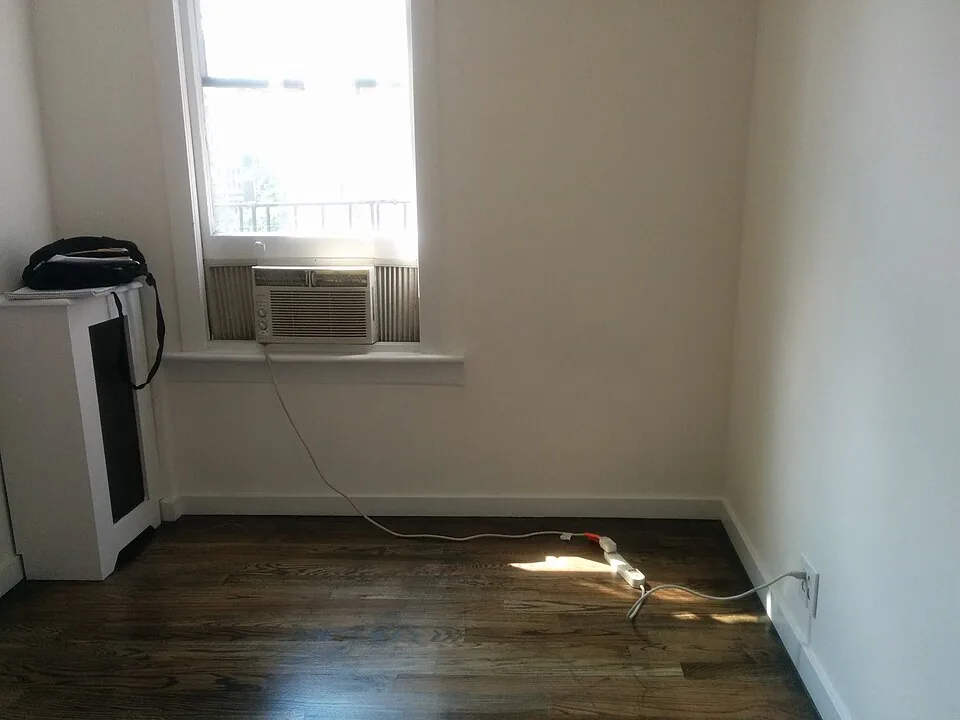

Create a work sequence
List the steps that must occur before the property is ready: authorised access, condition review, quotations, approval, repairs, cleaning and final inspection. Identify dependencies. Painting before a leak is investigated may create repeated work. Advertising before you understand readiness may generate expectations you cannot reliably meet. The order can influence the cost and the period without receipts.
Give each item an estimated duration and identify the source of the estimate. Use contractor availability and the actual scope where possible. Do not describe a tentative duration as a guaranteed completion date. Add a contingency scenario for the tasks most likely to delay the sequence, while keeping it clear that a scenario is not a prediction.
Separate work that is necessary for the existing property from an optional upgrade you choose during the gap. The capital repair and cash-flow guide explains why major replacement and routine costs deserve different lines. Turnover may be a convenient time for an upgrade, but the upgrade should still have its own investment rationale.
Calculate the cash requirement transparently
Imagine an invented example with SAR 1,200 cleaning, SAR 2,500 repair work, SAR 800 administration and SAR 5,000 in foregone gross rent for the assumed gap. The combined exposure is SAR 9,500 before financing or other ongoing expenses. These teaching amounts are not local quotations. Their purpose is to show that a vacant-period rent figure alone misses much of the owner's cash requirement.
Now separate cash paid from receipts not collected. Cleaning and repairs are outflows; foregone rent is a difference from the expected income scenario. Both affect your plan, but labelling them clearly avoids double counting. If the annual income model already excludes the gap, do not subtract the same foregone rent again as an expense.
Record the timing as well as the total. Contractors may require payment before the next tenant's receipts arrive. A later recovery, if valid and actually received, belongs in the month it becomes cash. The break-even occupancy guide helps connect the changeover to the broader question of how much occupied time is needed to cover the defined costs.
Compare faster letting with other trade-offs
A reduced asking rent, an upgrade or a different management service may change the expected gap. Test each option using explicit assumptions. Do not automatically assume that a lower price guarantees a tenant or that a renovation raises achieved rent. Ask what evidence supports the proposed change and preserve uncertainty where the response is unknown.
For a fictional choice, suppose a monthly rent reduction of SAR 200 applies for twelve months. Its annual gross effect is SAR 2,400. Compare that with the estimated cash effect of a longer gap under the same operating assumptions. This is a scenario comparison, not a recommendation to discount. The actual lease, tenant suitability and property condition still require review.
Keep tenant selection and documented terms in the decision. A quick agreement that creates unsuitable obligations may not be the better result. The budget should support an informed process rather than pressure you to accept the first applicant to eliminate the vacancy line. Separate speed, expected income and management quality so their trade-offs stay visible.
Learn from each completed changeover
After the next tenancy begins, compare actual spending and timing with the plan. Record which tasks delayed readiness, which quotations changed and which assumptions proved useful. Preserve the invoices and authorised condition evidence. Avoid interpreting one experience as a market average; it is valuable property-specific information for the next budget.
Update the reserve using that evidence and your remaining uncertainty. A turnover budget becomes stronger when it reflects the unit's condition, lease structure and management process. It gives you a clear view of the cash needed between occupants and prevents an apparently attractive annual rent from concealing the work required to collect it consistently.
Sources and review
- Ejar official service information — reviewed 29 September 2026. Official primary context. Practical methods and fictional scenarios are original editorial analysis; no current market quotation is asserted.