
Jeddah Coastal Property: Budget for the Building Condition
Plan Jeddah coastal property maintenance using building condition, qualified assessments, repair scope and clearly separated cash costs.

Budget from condition, not a coastal label
For a Jeddah coastal property, maintenance planning should begin with the building's actual condition, materials, systems and responsibilities. A seafront address can be attractive, but it does not tell you what has been maintained or which repairs are needed. Similarly, a location away from the waterfront does not prove that moisture or external maintenance will be unimportant. Use a qualified assessment and specific records rather than assigning one cost percentage to every coastal home.
This article explains an investment budgeting method, not an engineering diagnosis or a claim about typical Jeddah repair bills. The Jeddah city guide provides location context. Here the focus is the evidence required to connect the appeal of a coastal setting with a realistic plan for owning the particular building.
Separate regional climate from property condition
The National Center for Meteorology's climate overview is the official starting point for Saudi climate context. Regional conditions help frame questions about operation and maintenance, but they are not a diagnosis of one façade, balcony or air-conditioning system. Avoid turning a broad climate description into a statement that every coastal building has the same defect or remaining life.
Ask a qualified inspector to assess the relevant external elements and systems under an agreed scope. Visible rust, stained surfaces, damaged seals or moisture deserve clear observations and appropriate investigation. Their presence does not establish the cause, extent or correct repair. Record inaccessible areas and the conditions of the inspection so a limited visit is not mistaken for a full technical assessment.
Keep the building's age and maintenance history distinguishable from its current condition. An older property may have documented replacement work, while a newer one can still have unresolved issues. A completion date alone is a weak substitute for evidence. Ask for reports and invoices connected to the actual building and the parts being assessed.

Identify the owner's share of the work
For an apartment, distinguish private equipment and finishes from common external elements. Ask who can authorise work, which budget funds it and whether known projects are already planned. Review the association or manager's records, including current service scope and any disclosed major works. Do not assume that a routine shared charge includes every external repair.
For a villa, identify the roof, façades, boundary elements and other relevant systems under the owner's responsibility, while checking for any shared estate arrangements. Greater direct control can mean more coordination work. A property manager's fee should be read against its actual scope rather than treated as proof that technical maintenance and every contractor invoice are included.
Use the property viewing checklist to collect observations, then obtain the reports needed to define cost and responsibility. A buyer should not climb external structures, open unsafe panels or perform destructive testing during a viewing. The objective is to identify the right assessment, not to imitate a specialist inspection without permission or training.
Request quotations for a defined scope
When work is recommended, compare quotations that describe the same task. Ask whether access, removal, preparation, replacement, reinstatement and waste handling are included where applicable. Note exclusions and the basis of any provisional allowance. Two totals are not comparable if one includes the full exterior treatment and another covers only a small visibly damaged area.
Separate urgent work, routine care and possible future replacement. The inspector should explain the confidence and limits of any recommendation. Do not convert a suggested review interval into a guaranteed failure date or assume a contractor's price remains available indefinitely. Keep the quotation date and expiry conditions with the budget.
An entirely fictional plan might contain SAR 8,000 for confirmed initial work, SAR 4,000 for assumed annual routine care and a separate future replacement allowance. These figures are not Jeddah market costs. They illustrate three different cash categories that should not be merged into one annual maintenance number or quietly omitted to improve the investment result.
Examine the rental and access consequences
Work can affect access and the tenant's use of the property. Ask the responsible professionals how the proposed scope will be organised and what permissions or communication are needed. Keep the repair invoice separate from any rental interruption assumption. If lost rent is already modelled through vacancy, do not deduct the same interruption again under maintenance.
Use the rental yield guide for ongoing operating analysis and the vacancy reserve stress test for cash timing. A property can show acceptable annual operating income while still requiring a large payment before the next rent receipt. That timing matters particularly when several works are planned together.
Keep heritage and modern property claims distinct
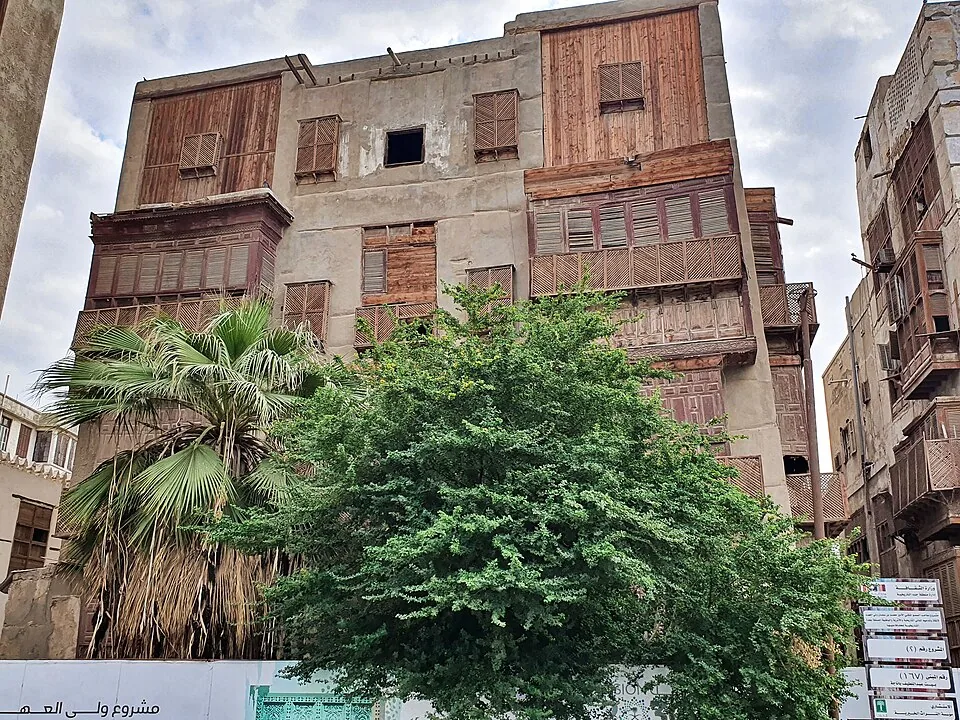
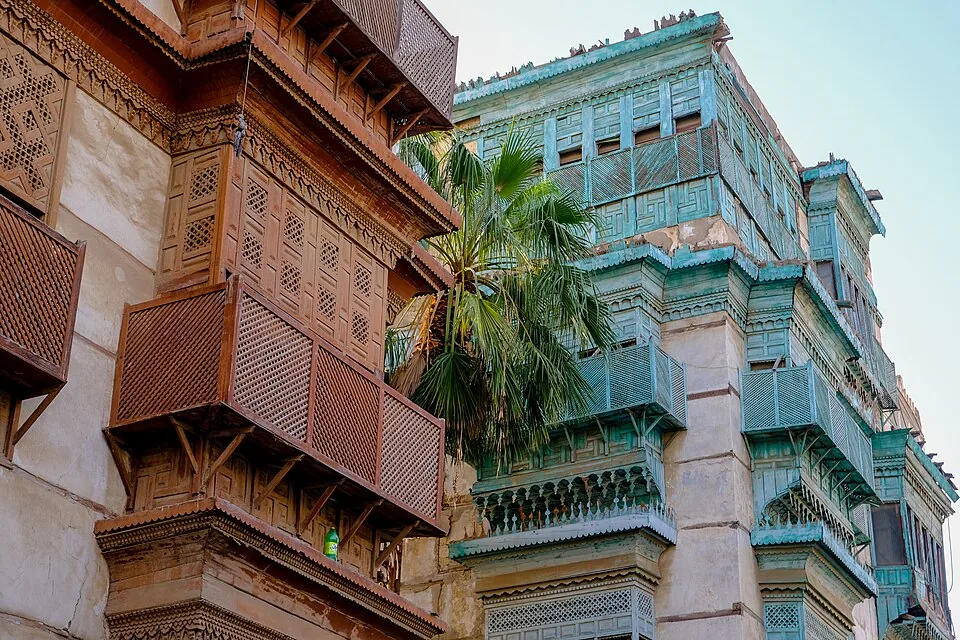
Jeddah includes very different building types and settings. Photographs of historic Al Balad illustrate a heritage environment, not the condition or specification of a modern waterfront apartment. If comparing properties, identify the actual construction, use and governing arrangements rather than applying one maintenance model to every Jeddah address.
Your final budget should show assessed condition, known scope, responsible parties, current quotations and remaining uncertainties. The coastal setting may be part of the property's appeal, but the ownership decision is stronger when the building's real maintenance needs are visible. A qualified condition review and a funded plan are more useful than either an optimistic seafront premium or a blanket assumption of excessive coastal repair costs.
Sources and review
- National Center for Meteorology, climate of the Kingdom — reviewed 29 September 2026. Primary source for factual context; examples and decision methods are original editorial analysis.