
Furnished or Unfurnished Saudi Rental: Compare the Work
Compare furnished and unfurnished Saudi rental investments through tenant needs, setup costs, replacement work and transparent cash scenarios.

Compare the operating model, not just the rent
For a Saudi rental investment, furnished versus unfurnished is a question about the tenant you intend to serve, the work you will undertake and the cash required to maintain the offer. A furnished unit can solve an arrival problem for a tenant, but furniture also creates an inventory, replacement and management obligation. An unfurnished unit may reduce some of that work while requiring the tenant to arrange more of their own setup. Neither model guarantees a better return.
This article compares ordinary rental operating assumptions, not permission for tourist accommodation or short stays. Any proposed activity needs its applicable approvals and contract review. Use the rental yield guide for the basic income calculation, then add the specific costs of the furnishing decision rather than assuming all rental models share one expense ratio.
Define the tenant problem you want to solve
Write a practical target profile without claiming that demand exists simply because the profile sounds plausible. A household moving with its own furniture may value a usable layout and storage. Someone arriving for a work assignment may value an immediately usable home. These are hypotheses to test through comparable evidence and conversations with appropriately qualified local professionals, not statements about the entire Saudi rental market.
Review the exact location, unit size, lease duration and access to the tenant's likely destinations. Furnishing does not correct an unsuitable commute or a layout that fails the household's needs. The Saudi work and relocation section provides broader context, while actual rental evidence should identify the neighbourhood and property type relevant to your proposed unit.
The Ejar services overview describes the official rental index and documentation services. Use documented rental evidence where available, but check whether the available data distinguish furnishing and other features. A broad rental range cannot establish the premium for a specific furniture package. If the distinction is unavailable, keep your assumed difference labelled as an assumption.

Describe what furnished actually includes
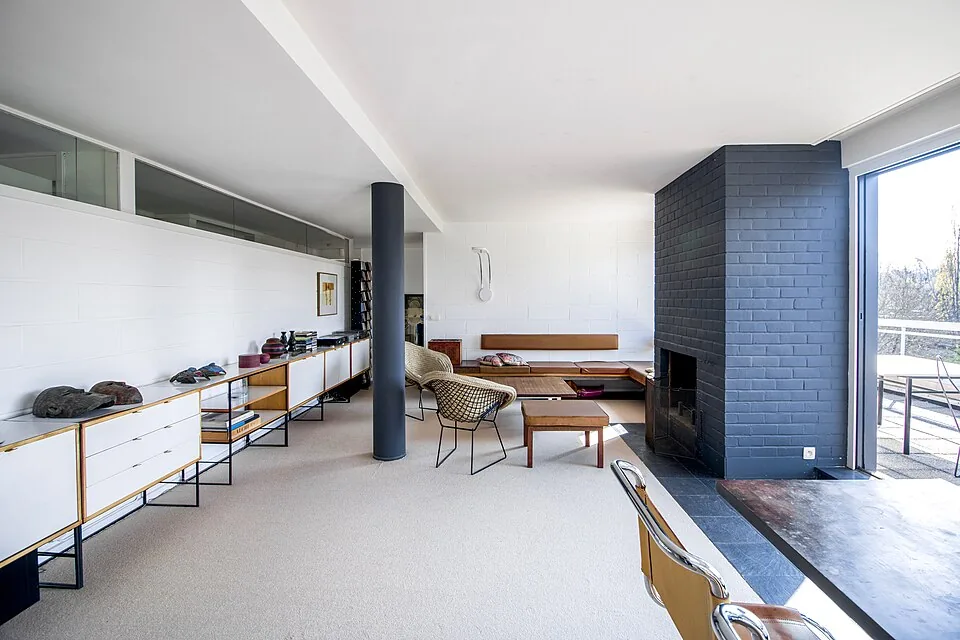
Create an inventory rather than relying on the word furnished. Identify beds, seating, dining furniture, appliances, window coverings and any other proposed items. Clarify which systems are part of the building or unit regardless of furniture, so their costs are not attributed to furnishing twice. Record condition, model details where useful and the responsibilities stated in the reviewed lease.
Think about consistency and maintainability. An attractive chair with no practical replacement route can be harder to manage than a durable, readily replaceable item. The question is not whether every item looks expensive; it is whether the package suits the tenant, can be cleaned and can be maintained at a cost your model recognises. Do not use staged marketing photographs as evidence that the actual unit includes those objects.
Include delivery, assembly, access and storage in setup planning. A purchase price for furniture is only one part of getting the unit ready. Ask whether the building's rules affect delivery times, lift use or movement through common areas. Keep the inventory connected to the handover records and subsequent rental condition reports.
Test the extra rent against the extra cost
Use a transparent annual comparison. Imagine an unfurnished scenario at SAR 60,000 gross annual rent and a furnished scenario at SAR 72,000. The fictional difference is SAR 12,000 before costs. If furnishing-related cleaning, replacements and additional management consume SAR 7,000 annually in your assumptions, only SAR 5,000 of that difference remains before accounting for the original furniture outlay, vacancy or financing. These figures are not Saudi market benchmarks.
Now include the cash committed at setup. A SAR 40,000 furnishing budget in this fictional case should not disappear because you spread possible replacements over later years. Show initial capital and annual operating assumptions separately. Do not call the remaining rent difference a return on the whole property without specifying the denominator and the costs excluded.
Test the result if the expected rental premium does not materialise. Then test a longer gap between tenants and more replacement work. These scenarios ask different questions. The vacancy reserve stress test helps with the cash timing of an interruption, while the furniture comparison asks whether the operating model earns enough to justify its additional commitments.
Assign responsibility for the recurring work
Who inventories the furniture, records condition, arranges cleaning and responds when an appliance fails? If you appoint a manager, compare the agreed scope and charges instead of assuming a standard percentage covers every task. If you manage directly, recognise the time and access required, particularly if you live outside the city or country.
Review how the lease addresses included items and maintenance, with advice appropriate to the arrangement. A security deposit should not be treated as guaranteed funding for all wear, damage or replacement. Condition records and the contract's provisions matter. Avoid making a profitability forecast that depends on recovering every replacement cost from the tenant.
Choose a model supported by evidence
Before choosing, write the target tenant, verified comparable evidence, proposed inventory, initial cash, recurring work and downside scenarios. Identify which assumptions need a local quotation or clearer rental evidence. The decision should remain understandable if the optimistic rent figure is removed.
A furnished investment is strongest when it meets a real tenant need and has a realistic operating plan. An unfurnished investment is strongest when the unit's underlying suitability supports the lease without an expensive package. Compare the complete commitment in both cases, then choose the work and uncertainty you are actually equipped to manage.
Sources and review
- Ejar rental index and documented rental services — reviewed 29 September 2026. Primary source for factual context; examples and decision methods are original editorial analysis.