
Saudi Apartment or Villa: Compare Maintenance Exposure
Compare Saudi apartment and villa maintenance responsibilities, shared systems, repair evidence and major replacement exposure.
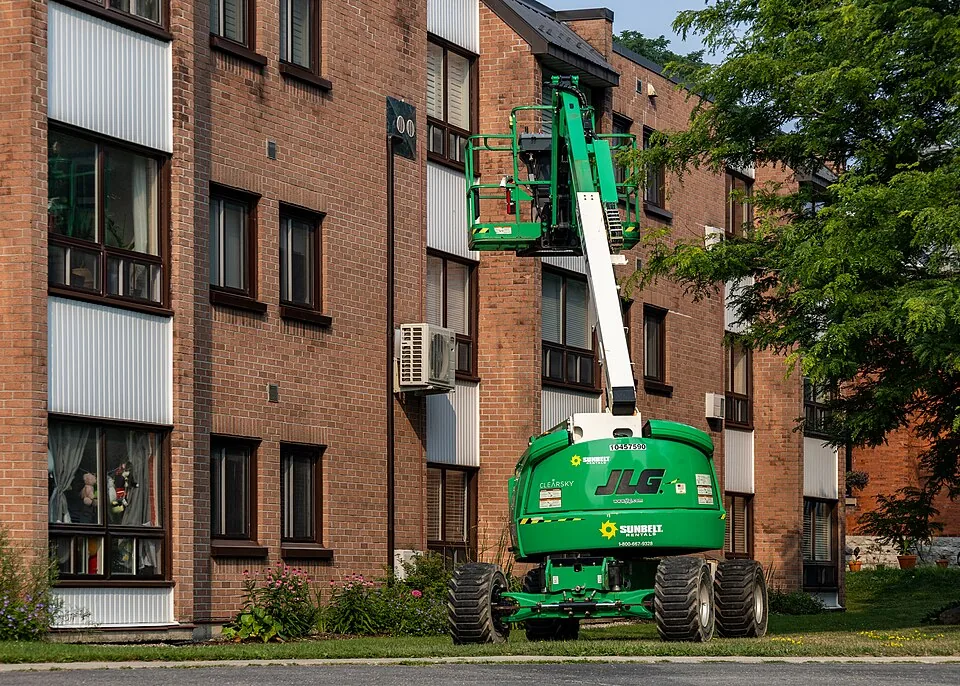

Compare who controls the work and who pays
The maintenance difference between a Saudi apartment and a villa is not simply that one is cheaper. An apartment may share systems and decisions with other owners, while a villa may place more of the external building and site responsibilities directly with its owner. The useful comparison asks which parts you maintain, how decisions are made, which costs are recurring and which large repairs could require cash later.
This article is an investment comparison method, not a claim about average Saudi maintenance bills. Read it alongside the rental yield guide. A purchase that appears attractive before maintenance may behave differently once the full ownership scope is understood. Use actual building evidence and quotations rather than a generic percentage based only on property type.
Map the apartment's private and shared responsibilities
For an apartment, separate the unit's internal systems and finishes from the shared building elements. Ask who maintains lifts, access controls, common lighting and other facilities actually present. Review the building's documents and management arrangements rather than assuming the owner can authorise every repair independently. A lower personal workload can still involve financial commitments and collective decisions.
The REGA Mullak platform describes the owners' association framework for shared property management. The official joint real estate ownership law is the reference for the legal structure. Your comparison should use the particular property's records and appropriate advice to establish responsibility, not treat a general platform description as a complete statement of every owner's obligations.
Request the current charge, services, known major works and relevant financial records. Ask what happens when an important shared system needs replacement. An annual charge that covers ordinary operation may not tell you how a major project is funded. Keep the shared-building cost and the unit's own repair allowance separate so neither disappears inside a single maintenance row.
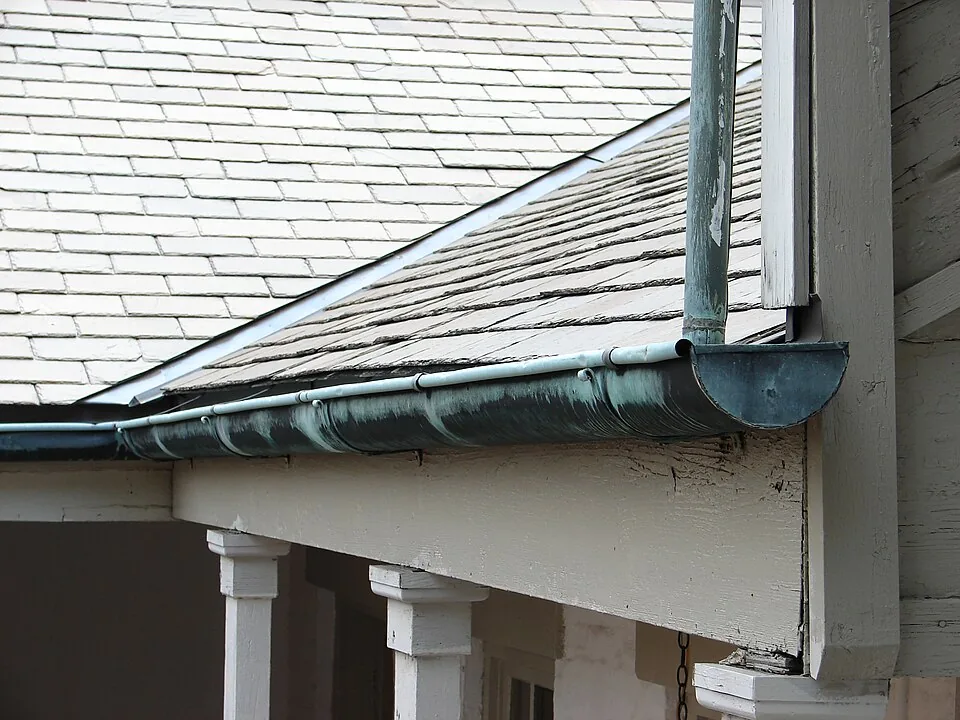

Map the villa's full physical scope
For a villa, list the roof, external walls, grounds, drainage, boundary features and systems included in the property, as applicable. Identify any shared estate or community services too; a villa is not automatically free from common charges. Check the ownership and management documents for the actual arrangement rather than assuming all work is private because the home is detached.
Review access to equipment and external areas with a qualified inspector. A system may be expensive to maintain because of its condition or difficult access, not because the home is called a villa. Do not assume roof condition, drainage performance or structural safety from a short visit. Use the property viewing checklist to organise observations and identify which questions need specialist assessment.
Consider the time needed to arrange contractors and oversee work. If you will live elsewhere, ask who can obtain access, approve a defined scope and verify completion. A villa may offer greater control over some decisions while also requiring more direct coordination. Assign that work to a realistic person or service rather than assuming it costs nothing because no annual manager charge is quoted.
Separate routine care from major replacement
Routine servicing, small repairs and large component replacement are different cash events. Create an inventory of significant systems and their documented condition. Ask a specialist which items need immediate work and which need future review. Do not convert an assumed equipment life into a guaranteed replacement date or take the absence of a recent fault as proof of unlimited remaining use.
For an apartment, consider both the unit inventory and shared-system exposure. For a villa, include external items and any site equipment that apply. Request quotations for defined work where available, keeping their dates, scope and exclusions. Comparing a full replacement quote for one home with a minor repair estimate for another produces a misleading property-type conclusion.
An illustrative comparison might show Apartment A with SAR 7,000 shared charges and SAR 4,000 assumed unit maintenance, while Villa B has SAR 14,000 assumed private maintenance and no included community charge. These invented figures establish no typical Saudi costs. They only show a comparison structure. Add disclosed major works separately and revisit the figures when the actual scope or responsibility differs.
Examine how problems affect rental operation
A failure inside the unit and a shared lift outage can affect tenants in different ways. Ask how faults are reported, how access is arranged and which response is provided under the relevant agreements. Do not assume the same maintenance process serves both property types. If a manager is involved, review its role and authority rather than treating a management fee as proof that every repair is included.
Keep the rental cash effect separate from the repair invoice. Work can involve preparation, access restrictions or a gap between tenants. The vacancy reserve guide helps test the cash timing of an interruption. Avoid double counting lost rent if the same interruption is already included elsewhere in the operating forecast.
Choose with an ownership map
Before comparing the purchase prices, assemble one page for each property showing private responsibilities, shared arrangements, current condition, routine costs, major-work uncertainty and the person managing repairs. Mark missing evidence explicitly. The completion budget should cover immediate work separately from later ownership assumptions.
The better fit is the property whose physical needs, decision process and cash exposure you can manage. An apartment's shared arrangement can be useful when its records and governance are clear. A villa's direct control can be useful when its wider maintenance scope is understood. The building's actual condition matters more than a blanket claim that either form is always the cheaper investment.
Sources and review
- REGA Mullak platform — reviewed 29 September 2026. Primary source for factual context; examples and decision methods are original editorial analysis.
- REGA joint real estate ownership law — reviewed 29 September 2026. Primary source for factual context; examples and decision methods are original editorial analysis.