
Saudi Coffee Hospitality: Understand the Setting
Explore Saudi coffee hospitality through the invitation, host and setting, with respectful questions and source-backed cultural context.
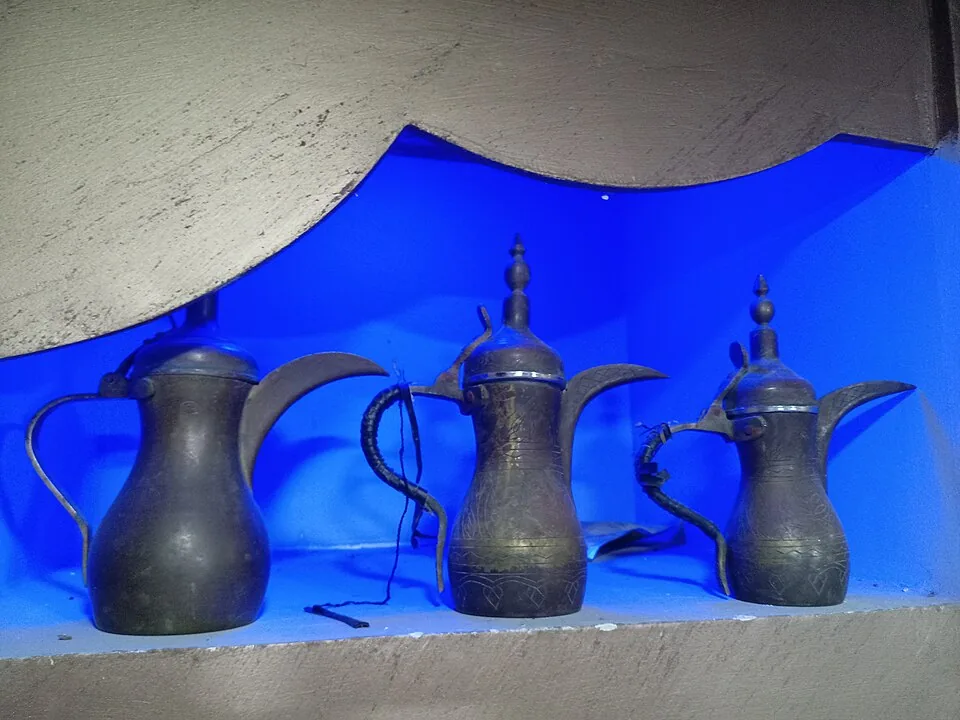

Understand the invitation and the setting
Saudi coffee hospitality is best approached as a social encounter whose details depend on the host and occasion. Coffee, cups and a dallah can be visible parts of the experience, but respectful participation means paying attention to the people and context rather than treating the encounter as a performance with one rigid universal script. Ask politely when unsure and allow the host's actual invitation to guide you.
UNESCO's Arabic coffee heritage entry places coffee within a shared tradition of generosity involving Saudi Arabia and other states. That source supports the cultural context; it does not establish that every Saudi household serves coffee in exactly the same way. Begin with the Riyadh Region guide for regional reading while recognising that this topic extends beyond Riyadh.
Distinguish the drink from the whole experience
A cafe purchase, a hosted visit and a cultural demonstration are different settings. The same vessel can appear in all three without making the social relationship identical. Notice what you have been invited to do and follow the arrangement actually explained. A paid tasting does not automatically represent a private household's customs or expectations.
Ask about the coffee being served if the host or practitioner welcomes questions. Preparation and flavour can vary, and a general national label is not a precise recipe. Avoid insisting that one ingredient or colour defines every authentic example. Describe the particular drink and the explanation you received rather than assigning it to a universal standard.
If ingredients matter because of an allergy or other personal need, ask clearly before drinking. A familiar appearance does not establish the recipe. You can participate respectfully while explaining a limit or declining politely. Do not make the social encounter depend on concealing a practical need simply because a travel guide presents one expected behaviour.
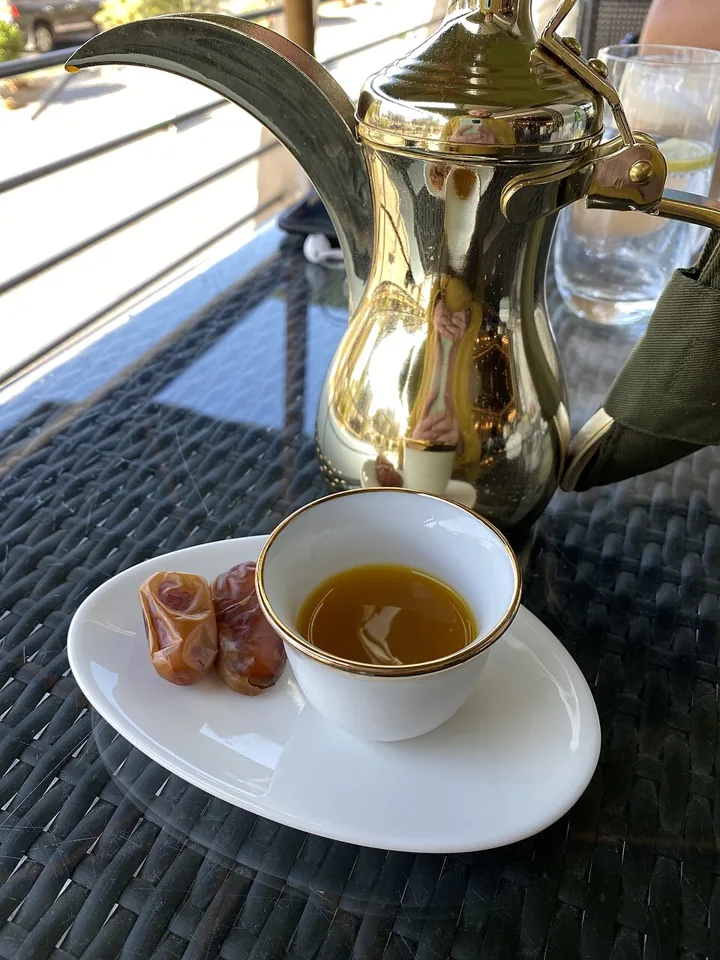

Follow the host rather than a memorised rule
Observe how the host offers the cup and whether further serving is invited. If you are unsure how to indicate that you have had enough, ask politely. A direct respectful question can be better than performing a gesture you misunderstood from an online video. The aim is comfortable interaction, not proving that you know every custom in advance.
Keep the pace and conversation appropriate to the setting. A short welcome in a busy venue differs from a longer hosted gathering. Avoid assuming that an invitation to coffee creates permission to remain indefinitely or ask personal questions. Respond to what is offered and follow the host's cues without turning hospitality into an entitlement.
Respect privacy. Ask before photographing people, the gathering or a private interior. Permission to drink coffee is not permission to publish an identifiable host's image or conversation. If you wish to share the experience, a photograph of your own cup with an accurate caption may convey the setting without exposing someone else's personal space.
Read the objects with care
A dallah can be an attractive object, but its material, age and role require evidence if you intend to make a specific claim. A modern decorative pot should not be described as an antique simply because it uses a familiar form. Ask the seller or guide what is known, and distinguish a displayed object from one currently used for serving.
The cup, serving arrangement and accompanying food can prompt useful questions. Keep the answer tied to the particular occasion rather than generalising from one encounter. Dates offered with coffee can connect the experience to food and cultivation, but their presence does not identify a particular variety or growing region without supporting information.
The Buraydah date-market guide offers a separate way to explore dates through products and market conversations. The Al-Ahsa oasis guide adds a landscape context. Use those links to deepen curiosity while keeping each product's actual origin and description clear.
Choose cultural experiences with clear descriptions
If booking a demonstration or workshop, ask who leads it and what is included. A venue may offer tasting, preparation instruction or broader heritage interpretation. Those are different experiences. Confirm the actual programme rather than relying on a photograph of a dallah. This article does not claim a commercial relationship with any operator or recommend an unverified service.
Allow time for questions and consider the group's needs. Ask about seating, language support and accessibility for the specific activity. A cultural-experience label does not establish that every venue offers the same arrangements. Check current booking information directly and keep any quoted hours or price separate from the broader cultural discussion.
For another living tradition, read the Al-Qatt Al-Asiri guide. The topics differ, but both benefit from attention to practitioners and setting. A thoughtful visit treats cultural knowledge as something explained by people, rather than a set of visual symbols detached from their context.
Keep your account specific and respectful
Afterwards, write what was actually offered, where the encounter took place and what the host or practitioner explained with permission. Avoid claiming that one experience represents every Saudi household. A concise, accurate account can be warm and informative without exaggerating the event into a universal cultural rule.
For further place-based reading, the At-Turaif architecture guide shows another way to explore Saudi heritage carefully. Coffee hospitality becomes more meaningful when you attend to the invitation, respect the people and distinguish your observation from broader source-backed context. That creates a better experience for both visitor and host than trying to perform a memorised script perfectly.
Sources and review
- UNESCO's Arabic coffee heritage entry — reviewed 29 September 2026. Official primary context. Practical methods and fictional scenarios are original editorial analysis; no current market quotation is asserted.