

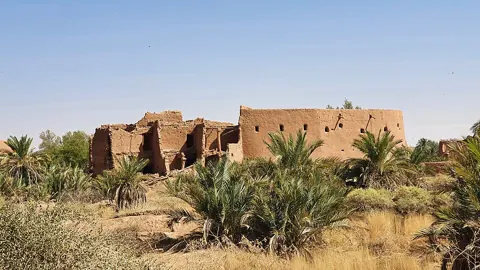
Ushaiqer Heritage Village: Read the Najdi Architecture
Explore Ushaiqer Heritage Village through earthen walls, courtyards and palms, with careful observations and practical visit-planning questions.

Understand Al Masmak Fortress in Riyadh through its history, architecture and museum displays, then prepare a visit using current official information.
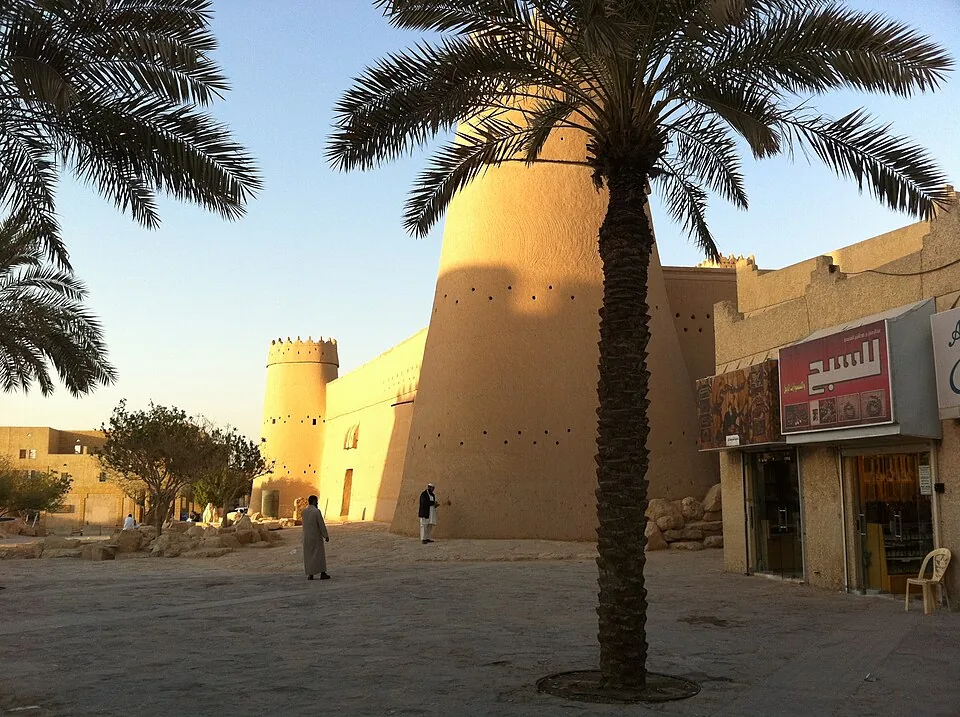
Al Masmak Fortress is a historic fortified building and museum in central Riyadh, Saudi Arabia. Its architectural features offer a useful starting point for understanding the relationship between enclosure, entrance, circulation and interior space. For a thoughtful visit, read the building as well as the displays: the enclosing walls, entrance, courtyard and rooms explain how a fortified place could also accommodate everyday activities.
This guide focuses on understanding Al Masmak, also called Al Masmak Palace. It complements our Riyadh city overview with a closer look at one landmark. Historical sources were reviewed on 3 October 2026; the photographs show earlier views, and current visitor arrangements should be checked before travelling.
The building's construction and the museum's development belong to different periods. In its July 2025 reopening announcement, the Saudi Press Agency dates the fortress to 1865 and records the museum's formal opening on 11 June 1995. Those dates identify two stages in the site's history. They do not establish that every surface, room arrangement or display visible today has remained unchanged since construction; interpreting a particular feature requires evidence about that feature.
These dates answer different questions. The nineteenth-century building existed before the event that made it especially significant in the twentieth century. The museum came later, providing a setting in which visitors could learn about that history. A photograph of today's museum therefore shows a place of interpretation as well as a surviving historic structure.
The same announcement records the museum's reopening on 26 July 2025 after rehabilitation and infrastructure improvements. That is a dated development, rather than a claim that a particular exhibition or room is accessible today. When reading an older visitor account, check whether it describes the building before or after those changes.
Begin by looking at the relationship between the walls, towers and entrance, rather than trying to photograph every feature immediately. The fortress presents a strong boundary between the surrounding public space and its interior. Ask where a person would approach, what could be observed from above and how the entrance controlled movement.
A Saudi Press Agency architectural account, published on 22 September 2020, describes the western wooden gate and the smaller opening within it, known as the khawkha. It also describes a mosque, the diwaniya reception room and a well. These are useful reference points for interpreting the building; they are not a guarantee that every space is included in a current visitor route.
Observe details from the permitted path. A small opening, a deep doorway or a shaded transition can be more revealing than a wide exterior photograph. Record what you can actually see, then use labels or staff explanations to identify its purpose. Avoid treating every feature that looks defensive as evidence of the same event.
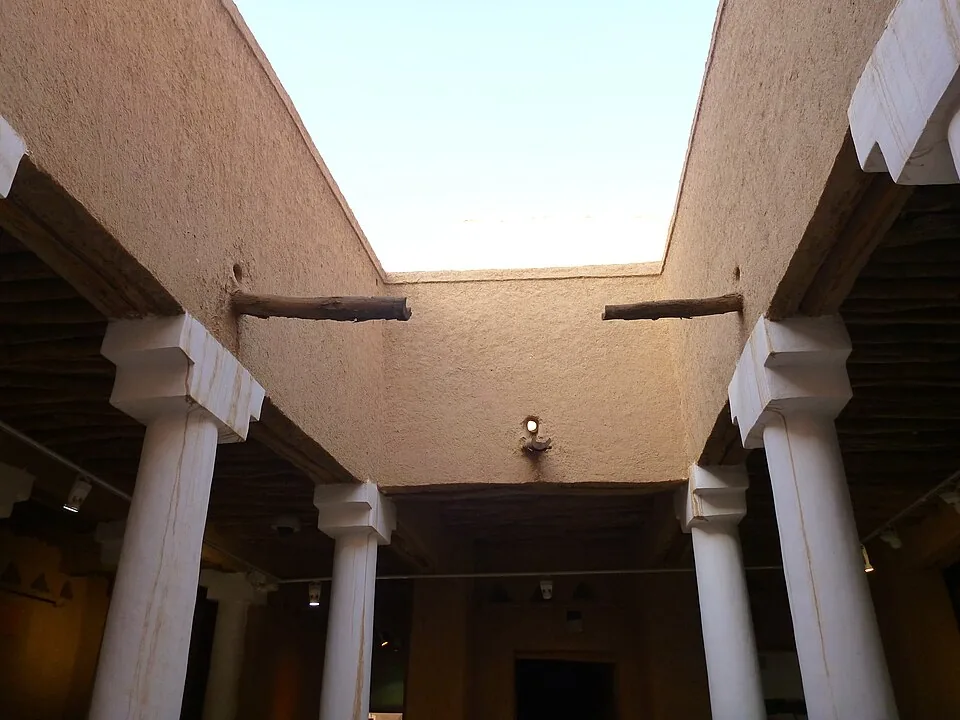
The courtyard helps connect the fortress's outer form with its internal spaces. Look at how rooms face it, where columns support covered areas and how open and sheltered spaces meet. This provides a more useful understanding of the layout than viewing the walls as an isolated architectural object.
The presence of reception, religious and water-related spaces suggests several questions for a visit: how did people gather, receive guests, move between rooms and obtain water? These are prompts for observation, not a reconstruction of a particular day's activities. Use the museum's interpretation to distinguish a documented function from your own impression.
The reception-room reference also offers a natural connection to our guide to Saudi coffee and hospitality. Read the two together to consider the social setting of a room, while remembering that a restored museum space and a contemporary gathering serve different purposes.
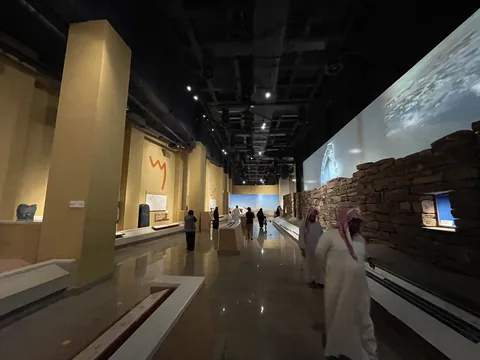
A useful museum visit separates objects, historical images, maps and modern interpretive material. For each display, ask what kind of evidence it presents. An archival photograph can document an earlier appearance; a map can explain geographical relationships; a model can help communicate a layout without being an original building fragment.
Take a small set of notes rather than copying entire labels. Record the subject, date where supplied, type of evidence and one question it raises. For example, a historic city photograph might prompt you to compare an earlier street relationship with the surrounding city today. Keep the photograph's date alongside that observation.
If a display explains the 1902 recapture, place it within the museum's wider unification narrative. The fortress is associated with an important turning point, but one room or one object cannot stand in for the whole historical process. This approach makes the visit more informative for adults and easier to discuss with children afterwards.
Al Masmak in central Riyadh and At-Turaif in Diriyah should not be treated as interchangeable names for one attraction. UNESCO's At-Turaif entry describes an urban ensemble of earthen buildings and other remains northwest of Riyadh. Al Masmak offers a different scale of observation: the enclosing walls, entrance and interior spaces of one fortified building in the city center. Compare the architecture while keeping the two locations distinct.
Our At-Turaif and Diriyah architecture guide develops the earlier place and its setting. A comparison is useful because it changes the scale of your questions: at Al Masmak, consider the building and its internal organisation; at At-Turaif, consider relationships between buildings, streets and the wider settlement.
Plan the two as separate destinations. Sharing elements of regional architectural tradition does not establish an identical construction date, history or visitor experience. Neither a combined tour description nor a photograph removes the need to confirm each site's current arrangements.
Use the official Visit Saudi listing for Al Masmak Palace as a starting point, then confirm current opening, entry arrangements and any accessibility requirements with the venue. This guide does not promise admission, a ticket price or a fixed visiting duration. Old operating hours can be especially unhelpful around holidays or temporary changes.
For the broader journey, use our Saudi Arabia travel and transport guide. Keep practical access questions separate from historical interpretation: a good route helps you reach the museum, while a few informed questions help you understand why the place matters.
Explore About Riyadh Region, Saudi Arabia
Explore Ushaiqer Heritage Village through earthen walls, courtyards and palms, with careful observations and practical visit-planning questions.
Explore Riyadh's Saudi National Museum through objects, maps and exhibition context, with original observation exercises and official visitor guidance.
0 properties selected