

Al Masmak Fortress: Riyadh History and Architecture
Understand Al Masmak Fortress in Riyadh through its history, architecture and museum displays, then prepare a visit using current official information.

Understand At-Turaif in Diriyah through earthen architecture, district layout, documented heritage and thoughtful visitor planning.
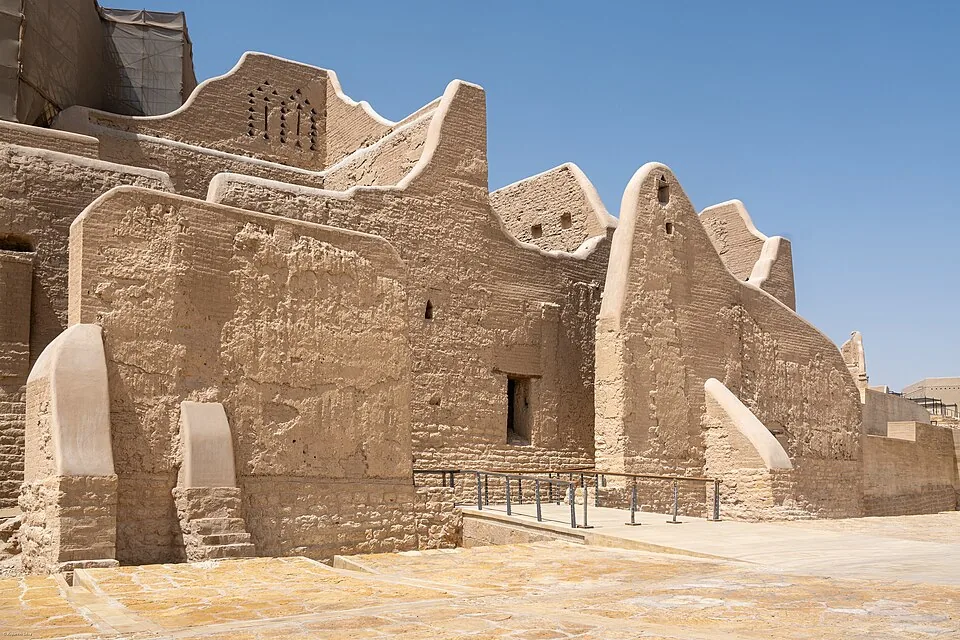
At-Turaif in Diriyah is best understood as a historic district whose earthen architecture belongs to a particular landscape and history. It is more than a collection of attractive brown walls. Looking at streets, building forms, openings and their relationship to the surrounding terrain helps a visitor understand why the place matters, without mistaking every restored surface for an unchanged original.
The UNESCO World Heritage description highlights At-Turaif's Najdi architecture and use of adobe, providing a starting point for understanding the district's earthen buildings. Those are source-backed points of context, not a claim that every feature visible during a visit dates from the same period. Start with the Riyadh Region guide to place Diriyah within a wider regional journey.
On arrival, look at how paths, walls and larger complexes relate to one another. A single facade photograph removes much of that relationship. Notice where the route narrows, where a building turns towards an open space and how height changes the view. These observations can make the visit richer without requiring you to guess a building's former use.
Use labels and a knowledgeable guide to connect visible forms with documented functions. If the explanation is uncertain or a feature has been reconstructed, keep that distinction. A visitor can appreciate the spatial arrangement while recognising that interpretation relies on evidence beyond what the eye alone can establish. Avoid attaching a precise age to every doorway simply because it looks traditional.
Look for contrasts in scale. Larger walls and more enclosed spaces can create different impressions from smaller passages. Describe what you see before assigning symbolism. The useful question is how the arrangement shaped movement and occupation, followed by what the site's interpretation actually supports. This keeps the experience grounded in the district rather than a collection of unsourced historical anecdotes.
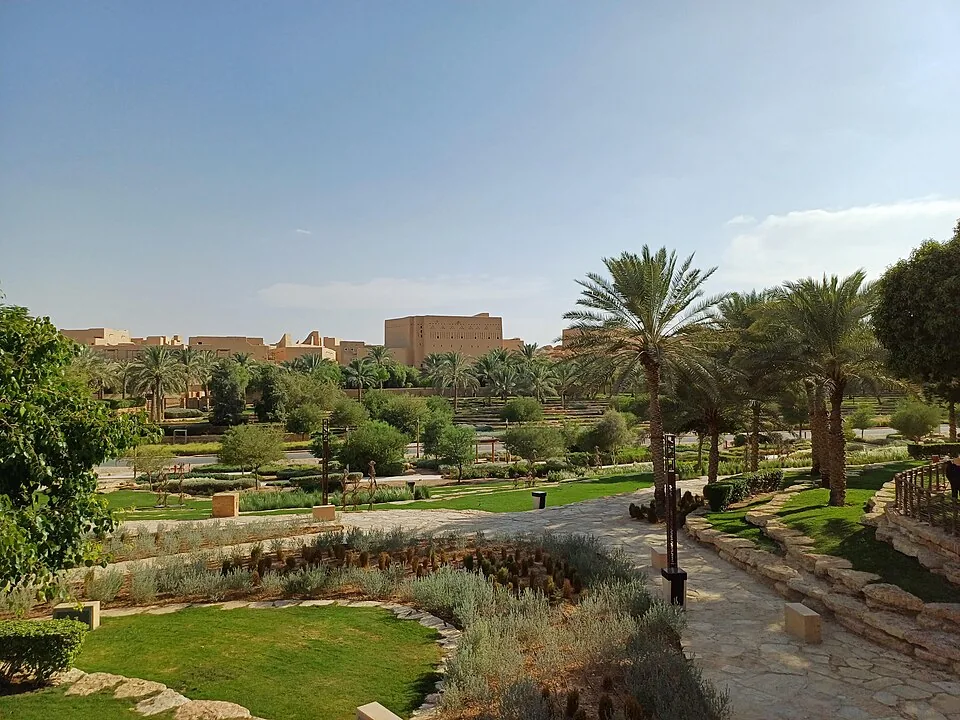
Observe wall surfaces, openings, corners and shaded areas from the authorised visitor route. Earthen construction can be visually expressive, but the material is also part of a conserved heritage place. Do not touch, climb or lean equipment against walls to improve a photograph. An apparent solid edge should not be treated as a public seat unless the site clearly provides it for that purpose.
The shape and placement of openings are useful details to discuss with a guide. Ask what is known about the original arrangement and later conservation. Resist a universal explanation that every small opening was designed for one purpose. Different rooms and periods can have different functions, and a confident one-line story may flatten that complexity.
Compare the district's earthen surfaces with the stone setting described in the Rijal Almaa architecture guide. The comparison is a way to notice regional variation, not to rank one tradition above another or imply that all Saudi historic buildings use the same material. Keep the distinct geography and documented context visible.
A visit may involve restored routes, displays, managed access and contemporary facilities. These elements support the visitor experience but are not all historic fabric. Read the presentation as a combination of surviving material, conservation work and interpretation. Ask staff about a feature if you cannot tell which category applies, rather than making an assumption for a caption.
The broader Diriyah destination can contain experiences beyond At-Turaif itself. Specify which place you mean when discussing tickets, activities or photographs. A reservation for one venue does not automatically establish access to another. Verify the actual current arrangements with the official operator before travel; this guide does not quote live opening hours or promise that a particular route will be available.
For outdoor context, the Wadi Hanifa guide introduces another way to read Riyadh through its landscape. Plan it as a separate destination with its own access and timing. Do not assume that nearby points on a map form a continuous convenient walking itinerary.
Choose a realistic visit duration and leave room to pause at interpretation points. Consider the group's walking needs, shade and weather on the actual day. A heritage route can include surfaces and changes in level that deserve practical attention. Confirm accessibility arrangements directly where needed, including the path from arrival to the specific areas you hope to visit.
Bring a focused question: how are buildings grouped, what distinguishes the material or how does the route relate to the terrain? One question can make observation more satisfying than rushing to photograph every labelled feature. If visiting with children, invite them to compare openings or textures visually while explaining why historic surfaces should remain untouched.
Read photographic rules and respect other visitors. A clear image of one architectural detail with an accurate caption can be more useful than a dramatic view that incorrectly names the location. Record the district, feature and date, and distinguish what the guide explained from your own impression. Do not use a contemporary event or display as evidence of a historic practice without support.
After the visit, compare your observations with the Najran earthen-architecture guide. Shared use of earth does not erase differences in form, setting or local tradition. A thoughtful comparison asks what is similar and what belongs specifically to each place, using the relevant sources rather than a generic label of desert architecture.
At-Turaif becomes more memorable when its buildings remain connected to the district, landscape and documented story. The strongest visitor notes explain what was seen, what interpretation supports and what remained uncertain. That approach enriches a Saudi journey while respecting the material and historical complexity that makes the place worth visiting.
Explore About Riyadh Region, Saudi Arabia
Understand Al Masmak Fortress in Riyadh through its history, architecture and museum displays, then prepare a visit using current official information.
0 properties selected