
Saudi Desert Conservation: Read Beyond the Dunes
Understand Saudi desert conservation beyond dune scenery, with Uruq Bani Maarid context, accurate images and authorised visitor planning.
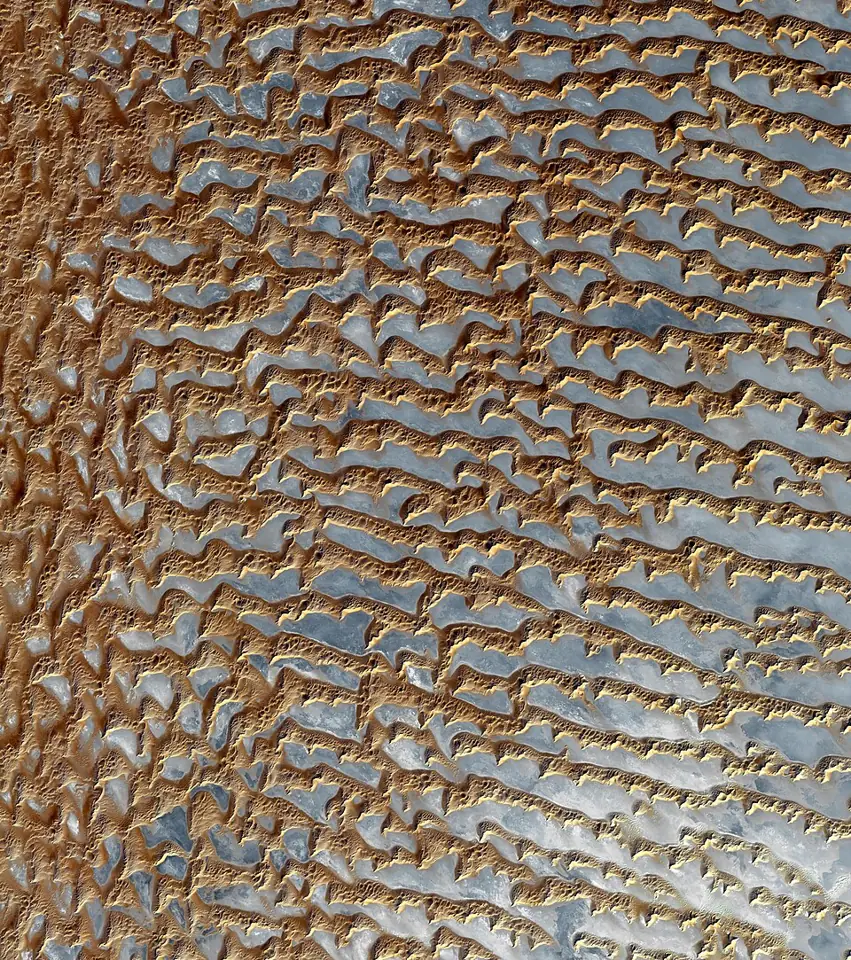

The dunes are part of a wider living landscape
Saudi desert conservation concerns more than protecting a striking dune view. Habitats, animals, plants and the processes that sustain them deserve attention alongside scenery. A photograph can make a desert appear empty, while the documented conservation story reveals a landscape with ecological relationships. Begin with the particular protected place and its official information rather than assuming every sandy area has the same status or visitor rules.
The UNESCO description of Uruq Bani Maarid identifies a protected desert landscape at the western edge of the Rub al Khali and discusses its biodiversity and conservation significance. That is the source-backed context for this article. Start with the Najran Region guide, while keeping the protected property distinct from the whole region and the much larger desert.
Distinguish landscape, boundary and permission
A regional desert name does not tell you whether a particular route enters a protected area, private land or another managed setting. Identify the actual destination and responsible authority before planning an activity. A map pin or an attractive social-media photograph is not permission to drive, camp or enter a restricted place.
Ask the competent authority or authorised operator about current access, permitted activities and route requirements. This article does not grant permission or describe a live booking process. Conservation status and visitor arrangements are separate pieces of information. A place can be important to learn about even when casual independent access is not available.
Keep photographs accurately captioned. An image of Rub al Khali dunes provides broad desert context; it should not be labelled as the UNESCO property unless the location is verified. The same applies to wildlife photographs. A picture of a species does not prove that it was taken inside the protected site or that visitors are likely to see it on a particular outing.
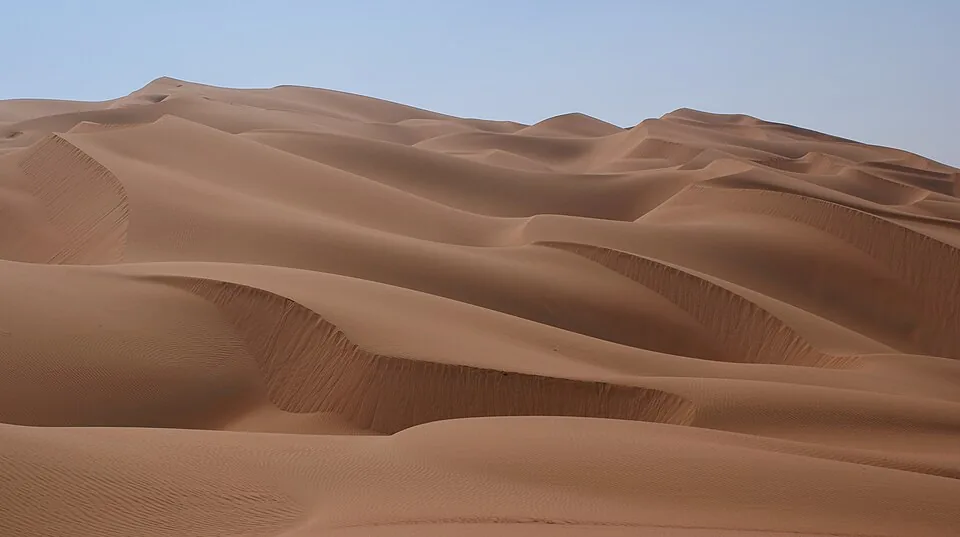

Read the conservation story through official evidence
UNESCO's account discusses the property's desert environment and reintroduction of Arabian oryx and sand gazelle. These points explain part of its conservation importance. They do not support a wildlife-sighting guarantee or a claim that every animal in a visitor photograph belongs to that programme. Keep programme context and an individual observation separate.
The National Center for Wildlife protected-area information is another official starting point for Saudi conservation context. Use the specific current information relevant to the destination and question. Avoid extending one protected area's rules or management story to every desert landscape in the Kingdom.
Ask a knowledgeable guide how the visible landscape connects to the documented ecology. Some important processes may not be obvious during a short visit. A lack of visible animals does not establish an absence of biodiversity. The conservation story can therefore enrich the experience without depending on a dramatic encounter arranged for a photograph.
Observe without changing the place
Follow authorised routes and instructions. Do not pursue wildlife, collect material or create a new vehicle track to reach a viewpoint. An apparently small disturbance can become significant when repeated by many visitors. The appropriate activity depends on the actual site rules, not on what someone else was seen doing in an online video.
Keep distance from animals and avoid feeding or handling them. A close image is not more valuable than the animal's undisturbed behaviour. If visiting with children, explain the expectations before the outing so curiosity can be expressed through observation and questions. Let the responsible guide manage any uncertainty about what is appropriate.
For a different conservation setting, read the Farasan Islands guide. Desert and coastal landscapes involve different conditions, but both benefit from precise destination information and respect for habitat. The comparison is about the quality of the visit, not an assumption that their access arrangements or ecological stories are identical.
Plan the actual excursion competently
An authorised desert outing needs transport, navigation and preparation appropriate to the route and group. Confirm those arrangements with a competent operator or authority. A road vehicle and a casual city itinerary should not be assumed suitable for an uncertain desert route. This guide does not provide unsupported off-road instructions or certify a journey as safe.
Check current weather and relevant notices before departure. Agree how the group will communicate, what supplies are included and what happens if the plan changes. Describe any mobility or other needs that affect participation. A broad adventure label does not answer those questions. Keep an alternative plan rather than allowing the desire for one photograph to determine the trip.
The Tabuk city and mountain guide offers another example of separating a regional base from a specialised excursion. The geography differs, but the planning discipline is useful. Name the precise destination, activity and authorised arrangement instead of treating every landscape beyond a city as a simple extension of a sightseeing day.
Connect scenery with understanding
After reading or visiting, summarise what the official sources establish and what you actually observed. Record the date and location of images. Do not describe old conservation milestones as fresh events, and do not turn a general programme into a promise about current animal numbers or visitor availability without verified evidence.
For another regional dimension, explore the Najran earthen-heritage guide. Built heritage and desert conservation offer different ways to understand the area. A thoughtful account keeps each precise while connecting scenery with knowledge, authorised access and the responsibilities that allow others to appreciate the landscape in future.
Sources and review
- UNESCO description of Uruq Bani Maarid — reviewed 29 September 2026. Official primary context. Practical methods and fictional scenarios are original editorial analysis; no current market quotation is asserted.
- National Center for Wildlife protected-area information — reviewed 29 September 2026. Official primary context. Practical methods and fictional scenarios are original editorial analysis; no current market quotation is asserted.