
Yanbu: Reading a Red Sea Town Through Its Streets
Explore Yanbu historic streets through architecture, present-day use and the Red Sea setting, with accurate place names and visitor planning.
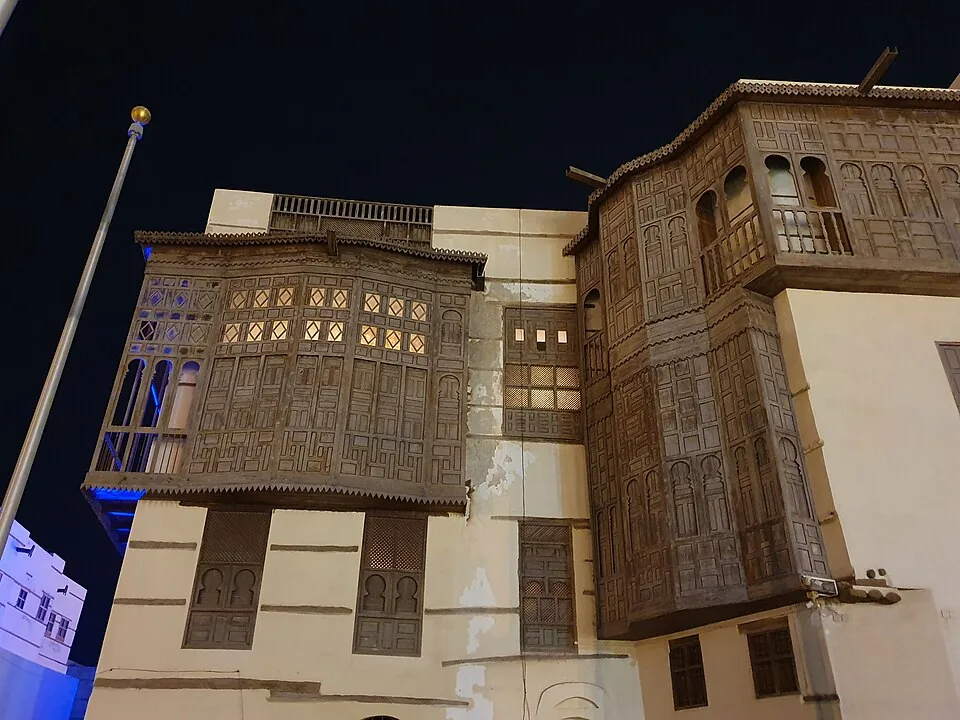

Begin with the particular streets you visit
Yanbu's historic area offers a way to read a Red Sea town through streets, buildings and the relationship between older fabric and present-day use. It is a different experience from a waterfront outing or a visit to another part of the city. Name the destination precisely and look at how the spaces fit together rather than treating every Yanbu photograph as the same coastal scene.
The official Visit Saudi historic-area page identifies the destination in Arabic. Use current operator information for access and activities, and site interpretation for specific history. Start with the Madinah Region guide to place Yanbu in its wider regional context without implying that every regional destination is nearby or covered by the same visitor arrangements.
Look at streets as well as facades
A decorated upper storey may draw the eye first, but the street around it gives the building context. Notice entrances, shaded areas, changes in width and the way a route turns between structures. A single cropped photograph can omit those relationships. Walking slowly through authorised areas allows you to observe how the setting differs from the image that introduced you to it.
Use labels or a knowledgeable guide to understand a particular building's former role. Do not assign an exact age or merchant story simply because the facade looks old. Restored features and contemporary uses can be part of the experience. Keeping them distinguishable makes the account more informative than a claim that the whole place remains unchanged.
Observe how people use the area now. A street can combine heritage presentation, businesses and everyday movement. Respect those activities rather than treating them as scenery arranged for visitors. Ask before taking close photographs of individuals, shop interiors or private spaces. An open door is not automatic permission to enter.
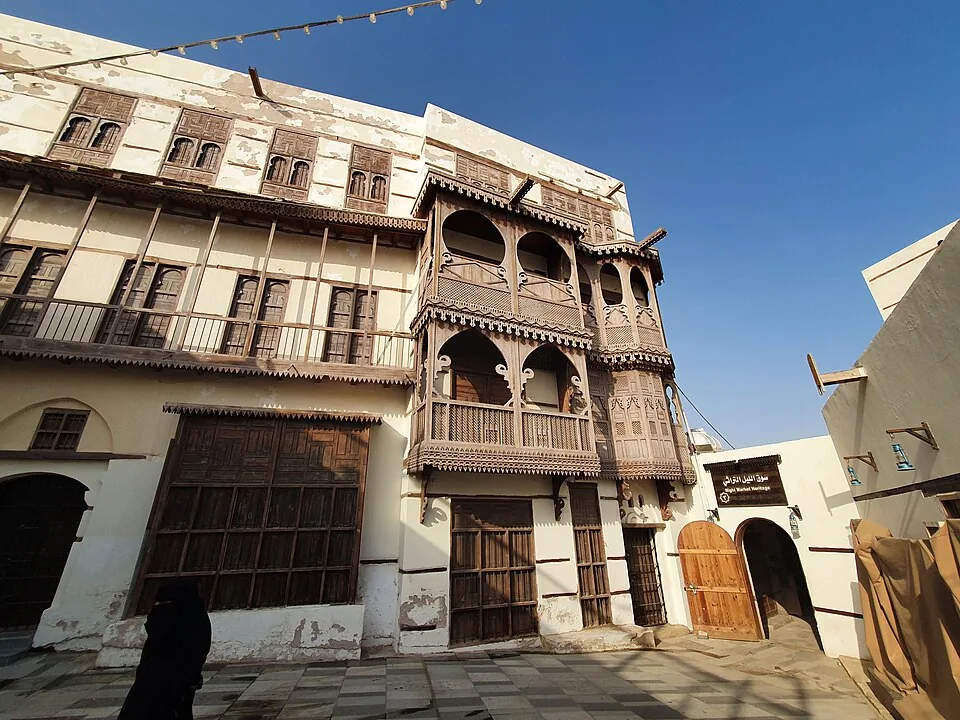

Notice material and decorative details carefully
Look at openings, timber elements, surface finishes and the relationship between upper and lower parts of a facade. Describe the visible detail accurately before adding an explanation. A window or screen may invite comparison with another Red Sea place, but its specific history and construction need appropriate evidence. Similar appearance alone does not establish identical function or origin.
The Historic Jeddah roshan guide provides a useful comparison. Jeddah and Yanbu should remain clearly identified as distinct cities. Use the comparison to ask how forms and settings differ, rather than transferring Jeddah's documented World Heritage status or building interpretation to a Yanbu street.
Where you see conservation work, ask what the site explains about it. A newer finish does not necessarily remove the value of the place, but it should not be presented as original material without support. Likewise, visible deterioration is not something for a visitor to investigate by touching or climbing. Follow the authorised route and let the responsible professionals manage the fabric.
Separate the historic visit from a coastal outing
If you also want to spend time by the sea, identify the actual waterfront destination and route. A historic-area visit does not automatically include an accessible promenade, swimming opportunity or boat activity. Each needs its own current information. Keep the map points and visitor requirements separate so the itinerary reflects what the group will actually do.
Ask the responsible operator about facilities and activity permissions. Do not infer that an attractive shoreline is suitable for every recreational use. This guide does not recommend a particular water activity, quote live opening hours or promise that a coastal facility will be available. Current conditions and authorised arrangements belong in the practical plan.
For another coastal context, the Farasan Islands nature guide explores a distinct landscape and travel setting. It can enrich your understanding of Saudi coastal diversity, but it is not a nearby substitute for a Yanbu outing. Preserve the differences in geography, transport and the purpose of each visit.
Plan for attention and comfort
Choose a time and duration suited to the group, using current weather and verified access information. Allow pauses to read interpretation and look at details. A short route explored attentively may be more rewarding than a long list of facades photographed in a rush. Do not assume a travel photograph establishes shade or comfortable walking conditions throughout the day.
If someone needs a particular accessible route, ask about the entrance, surfaces, steps and facilities involved. A destination described as family-friendly does not answer every mobility question. Explain the person's needs and confirm the actual route before relying on it. Keep an alternative plan where the information remains incomplete.
Consider how the visit fits with your transport arrangements and other commitments. Verify the return journey rather than only the arrival. If booking a guide or experience, confirm the precise meeting point, included work and any required preparation. A generic tour description can cover a different area from the historic streets you intended to explore.
Make your account place-specific
Afterwards, record the street or feature photographed, the visit date and the explanation supported by the site's interpretation. Avoid adding a dramatic historical claim merely to make a caption sound richer. An accurate image of a timber detail or a street relationship can help another reader understand the place without pretending to tell its entire history.
For further regional reading, explore the AlUla Old Town and Hegra guide. Different destinations within Madinah Region offer distinct heritage experiences. Yanbu rewards an approach that keeps its streets, present-day life and coastal setting connected, while giving each documented story and practical visitor arrangement the attention it deserves.
Sources and review
- official Visit Saudi historic-area page — reviewed 29 September 2026. Official primary context. Practical methods and fictional scenarios are original editorial analysis; no current market quotation is asserted.