
Madinah Region: From AlUla to the Red Sea
Explore two distinct Madinah Region settings: inland AlUla and coastal Yanbu, with a careful framework for planning and understanding place.
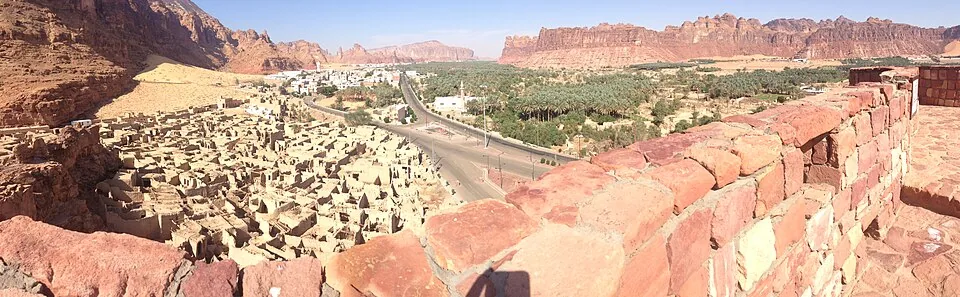

Madinah Region is more varied than a single city image suggests. A journey through the region can move from the inland heritage landscape around AlUla to the Red Sea setting of Yanbu. Those places have different geography, built environments and reasons to visit. This guide helps a reader understand the contrast and plan research responsibly; it does not present a fixed itinerary, current opening hours or a claim about property values in either place.
The distinction also helps visitors use place names accurately. Madinah is both the name commonly used for the city and part of the name of the larger administrative region. AlUla and Yanbu are not neighbourhoods of the city of Madinah. When planning travel, looking at housing or discussing a development, name the specific destination and check the actual route rather than assuming a regional label identifies one local market.
Begin with the scale of the region
Use the Madinah Region overview as a geographic starting point, then choose a specific destination. AlUla is associated with an inland oasis and archaeological landscapes. Yanbu sits on the Red Sea coast and has a different urban and maritime setting. The distance between them is a practical planning issue, but this article gives no fixed drive time: route choice, road conditions and the stopping plan can change it.
A useful comparison asks what each place helps you understand. In AlUla, the relationship among oasis settlement, routes and archaeological sites is central. In Yanbu, the coast, port history and streets of the older town offer another reading of how people lived and moved. Neither destination is adequately explained by a single “Saudi heritage” label. Ask which site or district a photograph actually depicts before applying its story to another place.
That approach also protects against misleading property conclusions. A destination's tourism profile does not tell you the occupancy, permitted use or annual expenses of a particular home. Use cultural and travel information to understand context, then conduct a separate asset-specific inquiry if considering a purchase.

Read AlUla as an inland landscape
The AlUla and Hegra guide distinguishes Old Town from the rock-cut tombs of Hegra. Keeping them separate is the first useful step. A visitor can learn from both without implying they are one site or that a ticket, opening time or access rule applies to both. UNESCO's Hegra World Heritage description provides the formal heritage context for the archaeological site.
At an accessible viewpoint, notice the relationship between built fabric, cultivated areas and surrounding rock. Ask what an interpretation panel establishes, what you can observe directly and what remains uncertain. Restored surfaces, older fabric and contemporary visitor facilities can share a view; describe each carefully. Respect protected boundaries and local directions rather than leaving marked routes to obtain a photograph.
Plan time for interpretation rather than an ambitious list of stops. If a site has timed entry or a guided route, confirm the current arrangement with its operator before travel. This article deliberately avoids a price or operating-hours claim that could change. Its purpose is to make a visit more thoughtful, not to promise access on a particular date.
Notice Yanbu's coastal character
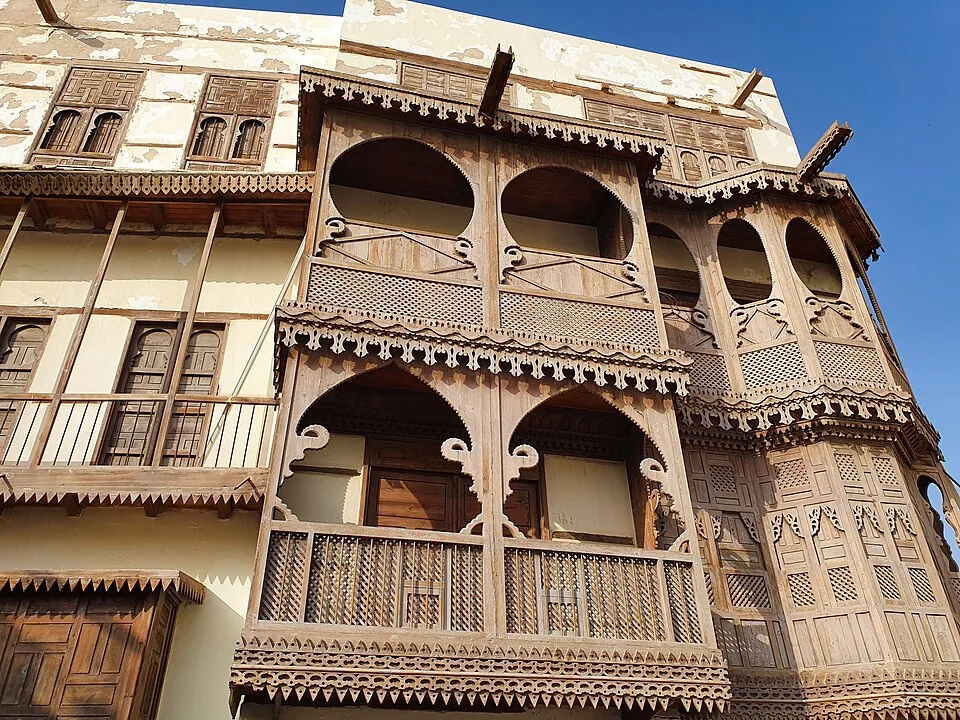
The Yanbu heritage article focuses on the streets and historic fabric of a Red Sea town. A coastal street, an older building and a working waterfront can raise different questions from an inland archaeological site. Observe how routes connect buildings to public space and the sea, while respecting occupied property and people's privacy.
Do not assume every part of Yanbu has the same character. A historic area, a modern residential district and industrial or port infrastructure serve different purposes. A travel photograph may illustrate the coast without showing the location of a particular hotel or home. Mark the precise place in your notes and avoid projecting a waterfront impression onto a property elsewhere in the city.
The official Visit Saudi destination material can help identify visitor themes, but current services and access must be checked close to the trip. In a coastal environment, also plan for the weather and your own transport needs. A flexible outing with a few well-researched stops can reveal more than a schedule that leaves no time to look.
Make a two-place research notebook
Create separate pages for AlUla and Yanbu. On each, note the source and date for a heritage claim, the exact place you hope to visit, the access question to confirm and one observation you want to make. Keep the route between the destinations on a third page. This prevents a regional overview from silently turning into an unverified day plan.
For broader travel conditions, consult the National Center for Meteorology and current operator notices shortly before departure. Weather is not identical across inland and coastal settings, nor constant through a season. The site's Tabuk landscape guide offers a useful third contrast if your journey extends north, but it is another destination with its own access and timing.
The valuable takeaway is geographic precision. Madinah Region contains different landscapes and histories; learn them as connected parts of a large region without merging their identities. When a later decision turns to accommodation or property, restart the research at the exact address, document and current local conditions.
Sources and review
- UNESCO: Hegra Archaeological Site — reviewed 30 September 2026. Official heritage context for Hegra; no access or itinerary claims inferred.
- Visit Saudi: Yanbu — reviewed 30 September 2026. Official destination context; live opening hours and travel times not reproduced.