
Dammam or Al Khobar: Compare Your Everyday Journey
Compare Dammam and Al Khobar through neighbourhoods, actual commutes, housing needs and waterfront outings rather than broad city stereotypes.
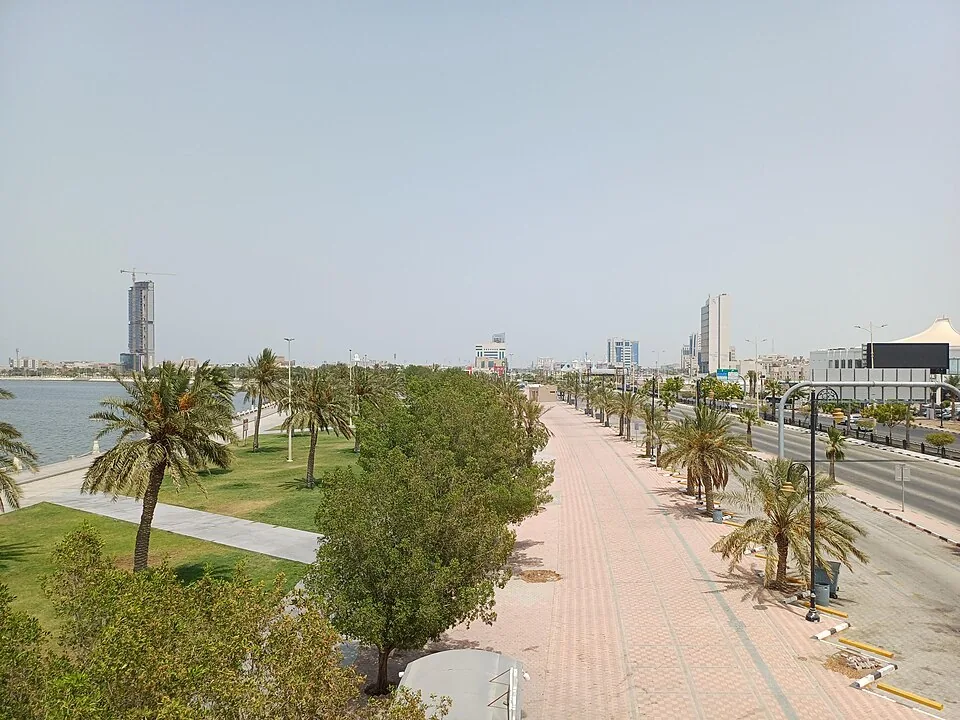

Compare the journey your household will make
Choosing between Dammam and Al Khobar for everyday life starts with your actual destinations and the neighbourhoods you are considering. A broad city comparison cannot tell you whether a particular home works for your workplace, school, family or weekly routine. Both cities belong to Saudi Arabia's Eastern Province, but they should not be treated as one interchangeable address or ranked by a general claim that one suits everyone better.
This article offers an original comparison method without quoting current rents, school availability or commute times. Use the Eastern Province guide for regional context, then assess specific homes and routes. The most useful answer is usually a neighbourhood-and-household match rather than a citywide winner.
Map the fixed destinations first
List the places you must reach regularly. Start with the workplace entrance or actual worksite, then add education, healthcare, family commitments and other destinations relevant to the household. A workplace described broadly as being in the Eastern Province is not precise enough for a housing decision. Ask for the location and expected working hours before comparing routes.
Test journeys at the times you will make them, using current information and, where practical, an actual visit. A route observed during a quiet weekend does not establish the weekday commute. Keep the date, time and route with your notes. If someone quotes a journey duration, ask where it starts and ends and whether it includes parking and the final walk.
The Dammam city guide and Al Khobar city guide help keep the locations distinct. Use them as orientation rather than evidence that every neighbourhood inside either city has the same access, services or housing characteristics.


Examine the home and immediate surroundings
Compare the units you might actually occupy: layout, building access, parking, maintenance arrangements and the practical route for shopping or other regular tasks. A city with an attractive waterfront can still contain a home that is inconvenient for your household. Equally, a less familiar neighbourhood may work well once its actual connections are tested.
Visit the surroundings at a suitable time and observe how the entrance, roads and nearby uses affect daily life. Do not assume that a quiet interior photograph describes noise or access outside the building. Ask specific questions about deliveries, visitor parking and common-area management where relevant. These details often distinguish two homes more usefully than a broad lifestyle label.
For a purchase, use the property viewing checklist. For a rental, review the actual lease, included items and property condition through the appropriate process. A general city article does not establish ownership eligibility, rental terms or the availability of a particular unit.
Treat the waterfront as a real outing
Both photographs in this article show named waterfront settings, Dammam Corniche and Al Khobar Corniche. They illustrate parts of the cities, not the view from every home or a promise of private waterfront access. Visit Saudi's Khobar seafront page provides official destination context; check current facilities and access for the place you plan to visit.
If waterfront outings matter to you, test the trip from the candidate neighbourhood rather than simply checking which city has the more appealing photograph. Consider the time of day, parking or pickup arrangements, walking needs and the conditions in which your household will use the space. An occasional weekend visit and a daily walking habit have different requirements.
Keep environmental observations precise. A comfortable evening at the coast does not describe the whole year's climate or the building's technical condition. The climate and seasons guide gives broader planning context. Use current forecasts for outings and qualified inspection for property condition rather than blending the two questions.
Compare a complete monthly routine
Build a practical schedule for one ordinary week in each candidate location. Include commuting, shopping, household services and the leisure activities you realistically expect to use. Identify which trips happen frequently and which are occasional. A slightly longer journey to an occasional destination may matter less than a recurring difficulty on the daily commute.
Then compare the actual housing quotations and supported recurring costs on the same basis. Do not claim a city is cheaper from two properties with different sizes, furnishing and included services. Keep unknown charges provisional. If the comparison is for an investment, tenant demand and achievable rent need a separate evidence review rather than being inferred from your personal preference.
An illustrative result might favour a Dammam neighbourhood for one household's work route and an Al Khobar neighbourhood for another's family routine. That is a useful finding, not an inconsistency. The decision is serving different needs. Record the reason so it remains clear if the workplace or household circumstances change.
Choose a location you have tested
Before deciding, you should be able to identify the neighbourhood, unit, daily routes, important services and outstanding questions. Recheck anything that depends on an unconfirmed quotation, opening arrangement or map estimate. Preserve the details of the comparison instead of replacing them with a simple city score.
Dammam and Al Khobar become easier to compare when you bring the question down to everyday life. Start with the journeys you must make, assess the homes available to you and visit the places you expect to use. The city that fits is the one whose specific neighbourhood supports your routine with understood costs and practical access.
Sources and review
- Visit Saudi Khobar seafront — reviewed 29 September 2026. Primary source for factual context; examples and decision methods are original editorial analysis.