
Al Ahsa: Read the Oasis as a Living Landscape
Understand Al Ahsa through water, date cultivation and historic settlement, with a thoughtful visitor framework and clear limits on property conclusions.
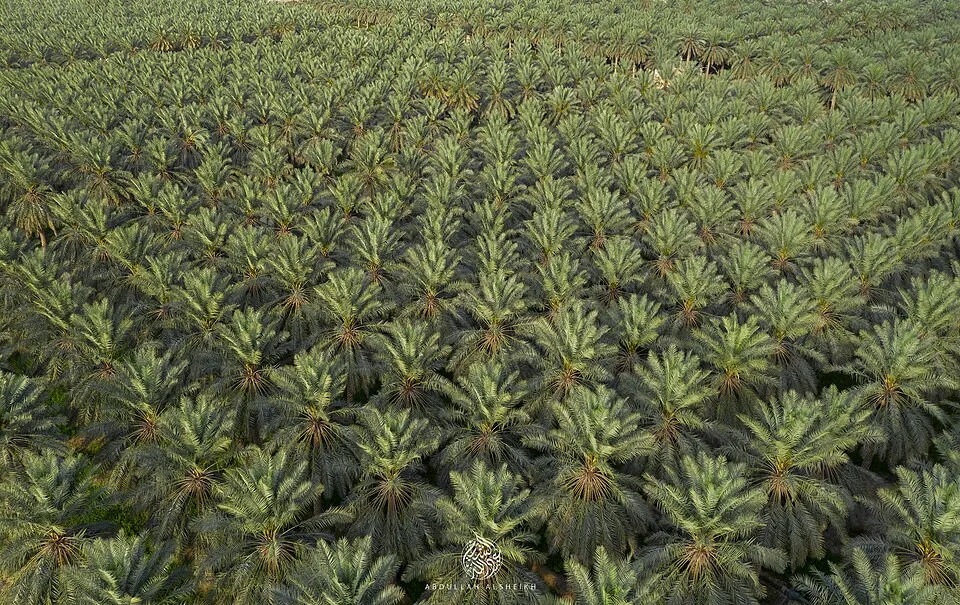

A place to understand, not just photograph
Al Ahsa becomes more interesting when you read it as a relationship between water, cultivation and settlement, rather than as one attraction to photograph. In Saudi Arabia's Eastern Province, the oasis offers a way to understand how an inhabited landscape can carry agricultural, cultural and urban stories at the same time. This guide proposes a thoughtful research and visiting approach; it is not a fixed itinerary or a property recommendation.
UNESCO identifies Al-Ahsa Oasis as an evolving cultural landscape. Its description brings together gardens, water infrastructure, historical buildings, urban fabric and archaeological places. Those connected elements explain why the heritage identity is broader than a single palm grove. They also explain why one photograph or a short stop cannot stand for the entire landscape.
For someone exploring Saudi Arabia before relocating or investing, this distinction is useful. Understanding a place means noticing how its parts connect and how people use them. It does not mean turning a heritage designation into a claim about rental demand, building permissions or a particular property's future value.
Follow relationships between water and daily life
Begin your observations with the relationship between cultivation and water. Where access is permitted, notice how a cultivated area sits beside paths, settlement and other land uses. Ask how the visible landscape functions, rather than assuming every feature exists only for visitors. Private farms and occupied spaces deserve the same respect as anywhere else.
A useful notebook separates observation from explanation. You may observe a canal, a palm grove or a change in shade; the history and operating purpose of that feature need a reliable explanation. Record which information came from an official interpretation panel, which came from a guide and which remains your question. That habit makes a visit more informative without presenting your first impression as established fact.
Avoid reducing the place to a single superlative or a palm count. Such descriptions may use different dates or boundaries, and they rarely explain what you are actually seeing. A better starting point is the connection between landscape and settlement, then the specific site you can visit responsibly. Use the official heritage reference for identity and scope.
Look at historic settlement as part of the whole
When visiting an accessible historic area, look beyond an isolated facade. The relationship between buildings, routes and public space may tell you more than a checklist of architectural details. Notice scale, entrances and how people move, while respecting places of worship, private property and any posted restrictions. Photographing people or sensitive spaces should follow permission and local guidance.
Compare what the site interpretation explains with what you can observe. A restored element may help communicate a historical form, but restoration and original fabric are different ideas. If authenticity matters to your research, ask how the site presents that distinction instead of making an assumption from a polished surface or an aged appearance.
Keep separate notes for the historic landscape and the modern city around it. Both can be part of a meaningful visit, but their practical uses differ. An attractive heritage setting does not tell you the commuting pattern, services or housing costs of a neighbourhood several kilometres away. Those questions need their own local investigation.
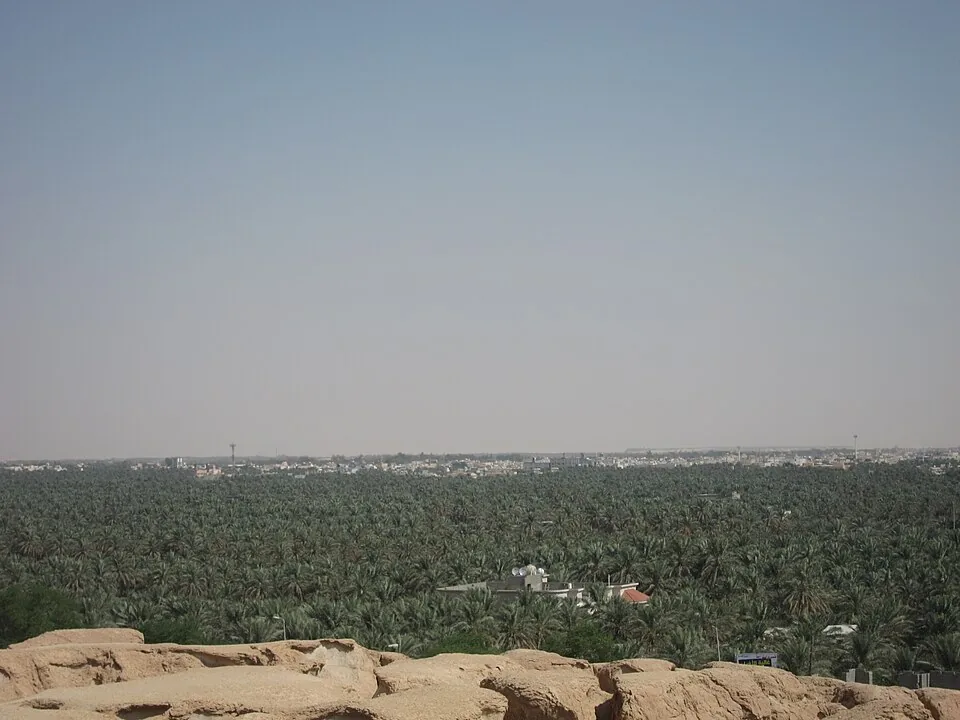

Plan a flexible and considerate visit
Choose a small number of places and allow time for interpretation rather than rushing to cover every name in a destination guide. Check opening arrangements, access requirements and conditions with the operator shortly before you travel. This article deliberately gives no fixed timetable, ticket price or promise that an attraction will be open on your chosen day.
Plan for the conditions at the time of your visit, including heat, walking distances and accessible transport. Bring the supplies your circumstances require and respect marked paths. If an area is closed or private, use an accessible alternative rather than entering to complete an itinerary. A good visit can be shorter than planned and still deepen your understanding.
The site's Eastern Province guide provides regional context. The travel and transport guide offer another route into cultural and practical research. These broader pages help you place Al Ahsa within Saudi Arabia without treating every destination in the region as interchangeable.
Keep place knowledge separate from purchase evidence
A visit can improve your questions about daily life: which settings appeal to you, what you would want to explore again and which practical details need checking. It cannot establish buyer eligibility, plot boundaries or permission to change a building. Those are separate transaction and regulatory questions that should be addressed through current records and the appropriate authorities.
If your interest later becomes a property search, start with the Investment Handbook and the inspection guidance. Be precise about the asset's actual location and approved use. Do not assume a nearby heritage site grants development rights, a hospitality use or an investment opportunity.
The same separation protects the quality of cultural writing. Al Ahsa deserves explanation as a lived place, not merely as a sales argument. A cultural landscape can enrich how you understand Saudi Arabia while leaving financial and legal conclusions open. Preserve that distinction in any notes you share with family, advisers or potential business partners.
A simple framework for your next visit
Before travelling, write three questions: what relationship between landscape and settlement do I want to understand, which accessible place could help answer it, and what official information should I read first? After visiting, record what you learned and what remains uncertain. This turns a trip into a useful learning process rather than an unchecked collection of impressions.
Use UNESCO for the heritage identity, the official tourism resource for destination orientation and current operators for practical access. Keep the date and scope of each source in your notes. You will leave with a more careful understanding of Al Ahsa, and a clearer distinction between cultural interest, everyday suitability and the evidence needed for any future property decision.
Sources and scope
- UNESCO: Al-Ahsa Oasis — checked 2026-09-29. Heritage identity and landscape components; no current planning permission inferred.
- Visit Saudi: Al Ahsa — checked 2026-09-29. Official destination context; opening hours and commercial offers not reproduced.