

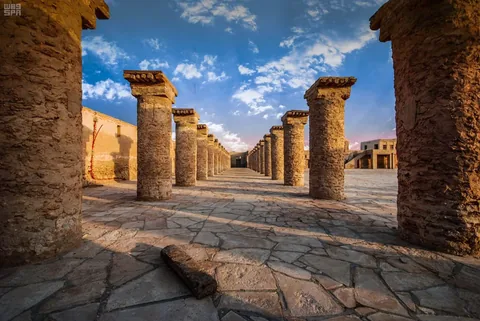
Uqair Port: Trade, Buildings and Maritime Heritage
Understand historic Uqair port through its Gulf setting, trade functions, columns, passages and mosque, with source-linked architectural context.

Explore Al-Ahsa Oasis as a cultural landscape connecting cultivation, settlement and heritage, with precise destinations and respectful access.
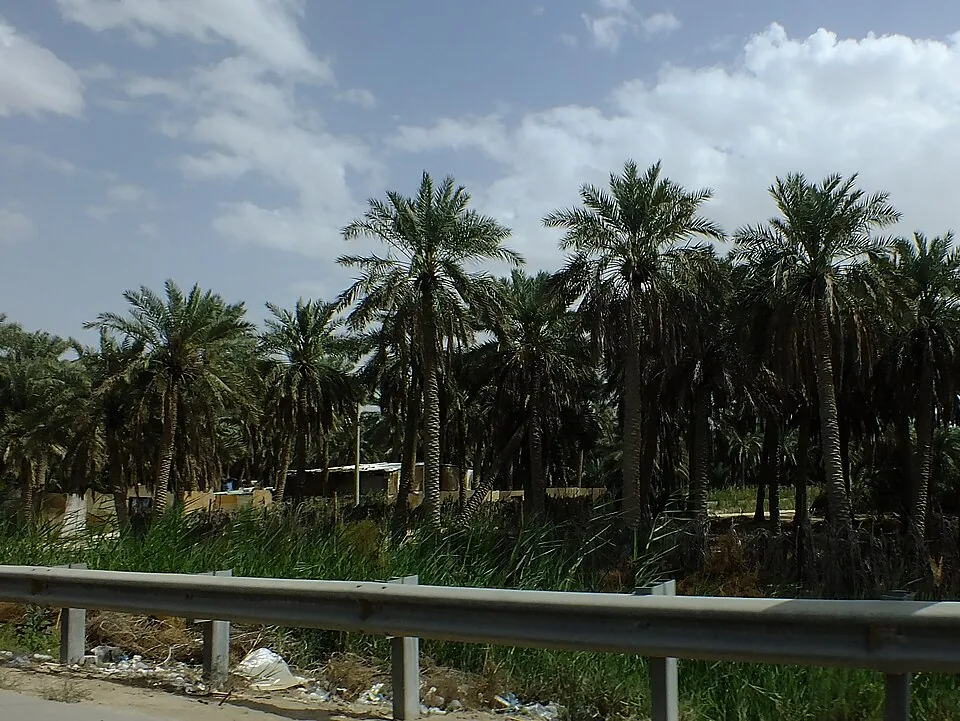
Al-Ahsa Oasis is best approached as a cultural landscape where cultivation, settlement and historic places belong to a connected setting. A photograph of palms captures one part, while a visit confined to one attraction can miss the broader relationship. Choose a few distinct places and use them to understand how land, water, food and daily life fit together.
The UNESCO description of Al-Ahsa Oasis identifies a landscape that includes gardens, canals, springs, wells, a drainage lake, historic buildings and archaeological sites. This is official heritage context, not a promise that every component is open for casual access. Begin with the Eastern Province guide and confirm the actual visitor arrangements for each intended destination.
Write down the precise places you plan to visit rather than using Al-Ahsa as if it were one entrance. A cultural landscape can extend across different settings and management arrangements. A mountain attraction, a market and a cultivated area may require different transport, access permissions and time. Treat each as its own stop within the wider context.
Distinguish publicly accessible routes from working farms and private property. A field visible from a road is not automatically available for walking or photography. Ask permission where appropriate and follow the responsible operator's guidance. Understanding the oasis means recognising that parts of the landscape remain places of work and residence, not just scenery for visitors.
Keep photographs accurately located. A rocky view at Al-Qarah and a palm grove in Hofuf describe different features. Neither should be labelled as if it shows the whole World Heritage property. A precise caption can help readers understand the variety of the landscape without implying a specific historic function that the image itself does not establish.
Where viewing is permitted, notice how planted areas relate to paths, boundaries and settlements. Look at the way a route moves between vegetation and buildings. These observations can prompt useful questions about land use, but avoid inferring ownership or water-management arrangements from appearance alone. A guide or local specialist can explain the documented context.
Ask how a particular visited place fits the wider oasis rather than assuming every palm tree has the same age or every channel serves the same purpose. A changing agricultural landscape can contain historic patterns alongside modern work. Recognising both is more informative than describing the entire area as untouched by time.
For a food connection, read the Buraydah date-market guide. Qassim and Al-Ahsa are distinct places; the comparison invites questions about products and market settings rather than treating their traditions as identical. Ask vendors respectful, specific questions about the dates they sell and the information they can support.
Choose an authorised historic or urban stop alongside a landscape visit. Notice how the building or street is presented, which interpretation is available and what changes or conservation work are explained. Do not assume an old-looking facade is unchanged historic material. Keep a guide's documented account separate from your own visual impression.
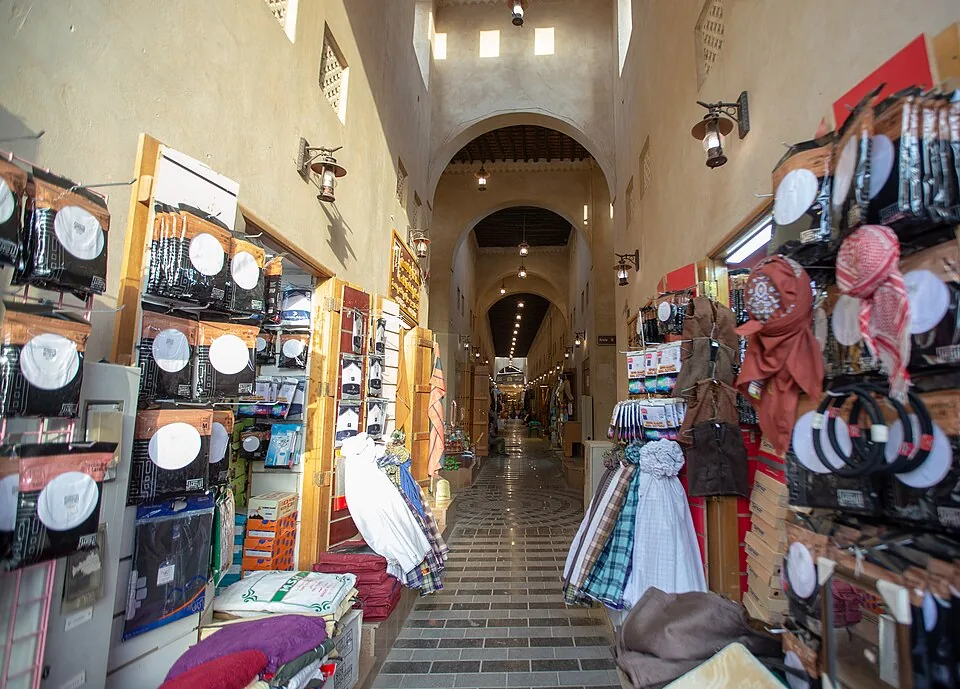
A market can reveal a different relationship to the place than a scenic viewpoint. Observe the goods, movement and everyday use while respecting the people working there. Ask before taking close photographs of individuals or their activity. A useful visit does not require turning a routine transaction into an impromptu performance for the camera.
For a regional comparison, the Historic Jeddah roshan guide shows another way to read a Saudi place through buildings and streets. Use it to notice differences in setting and material. Avoid applying a Red Sea architectural explanation to an Al-Ahsa building without a source specific to that feature.
Check current weather and the practical route before leaving. A photograph with dense vegetation does not establish comfortable walking conditions at the time of your visit. Plan shade, rest and transport around the group's needs. If an outing includes exposed terrain or a guided attraction, confirm its requirements with the actual operator rather than relying on a general regional description.
Choose fewer stops if that allows time to understand each. A mountain visit and a heritage-market stop may produce a fuller impression than a rushed drive past several labels. Check opening and booking arrangements directly and preserve a flexible alternative. This article does not quote current ticket prices, operating hours or a guaranteed travel time.
For accessibility, ask about the specific route, surfaces and facilities at the planned destination. Broad statements that a place is suitable for families do not answer every mobility need. Describe the requirement when contacting the operator so the answer concerns the person and route involved, rather than a generic destination label.
Afterwards, arrange your notes by the relationships you observed: cultivation and settlement, rock and vegetation, market and product. Connect those observations to the Dammam and Al Khobar daily-life comparison if exploring the wider Eastern Province. Different destinations within one region offer different experiences and should remain clearly identified.
Al-Ahsa becomes more understandable when the palms remain connected to the wider cultural landscape. A thoughtful visit respects private work, uses accurate place names and distinguishes observation from documented interpretation. That gives the reader something richer than a single oasis photograph and supports a more considered way to explore Saudi Arabia.
Explore About Eastern Province, Saudi Arabia
Understand historic Uqair port through its Gulf setting, trade functions, columns, passages and mosque, with source-linked architectural context.
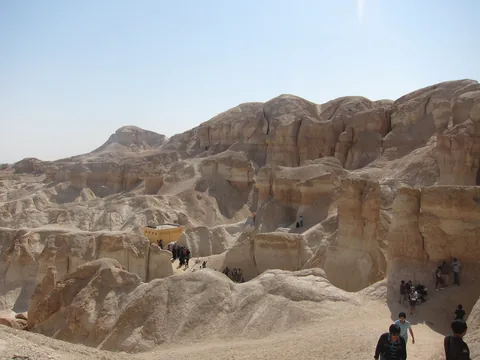
Understand Al Qarah Mountain in Al Ahsa through rock forms, cave climate and visitor presentation, with source-linked context and practical access questions.
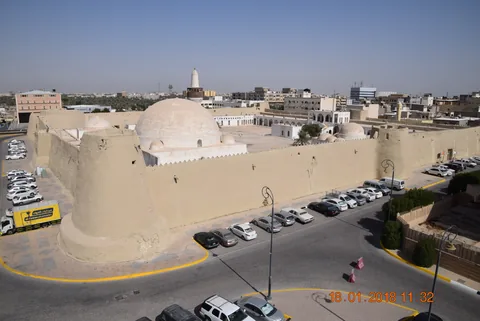
Understand Ibrahim Palace in Al-Hufuf through its enclosure, mosque, courtyard and changing uses, with dated Saudi sources and careful architectural context.
0 properties selected