
Rijal Almaa: Stone Houses and the Mountain Setting
Read Rijal Almaa through stone-built forms, decorated interiors and its mountain setting, with clear distinctions between history and observation.
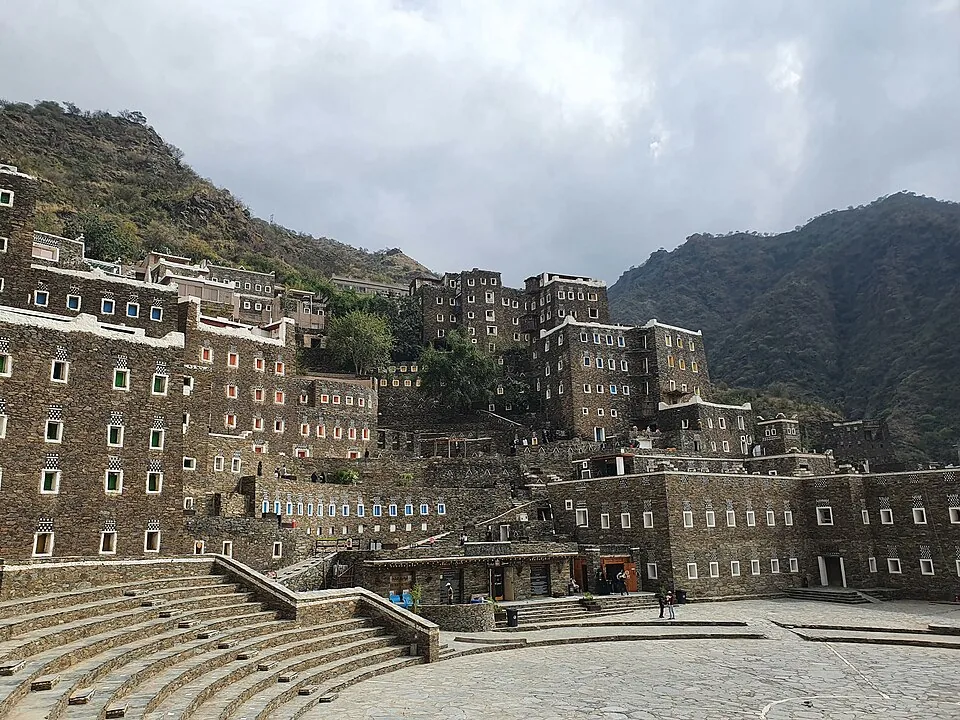

Look at the houses within the mountain setting
Rijal Almaa offers a way to understand Saudi regional architecture through stone-built forms, decorated details and the landscape around them. The most useful visit looks beyond a dramatic facade and asks how buildings relate to routes, slopes and the experience of moving through the place. Keep the village, a specific museum and the surrounding region distinguishable in your notes.
The official Visit Saudi Aseer guide provides destination context for Rijal Almaa and its stone-built heritage. Use site interpretation for the history of a particular building rather than assigning every visible feature one age. Start with the Aseer Region guide to place the visit within a realistic regional itinerary.
Observe form before guessing function
Look at the buildings' height, openings, surface patterns and relationship to nearby paths. Notice how the view changes as you move, rather than relying only on the familiar distant image. A cluster of buildings can reveal a different spatial experience from a single front-facing photograph. These are observations you can make without inventing a historical explanation.
Ask a knowledgeable guide what is documented about a room, entrance or decorative feature. Keep the answer specific to the place. A broad label such as traditional house may conceal variation in use, alteration and conservation. If a detail has been restored, that can be part of the story rather than something to ignore for the sake of an apparently untouched scene.
Stone, timber, painted surfaces and other visible materials should be described accurately. Do not assume that a photographed wall reveals its full construction or that an exterior detail explains the interior plan. A visitor can appreciate the craftsmanship while recognising the limits of visual inspection. Historical and technical conclusions need more evidence than a camera angle.
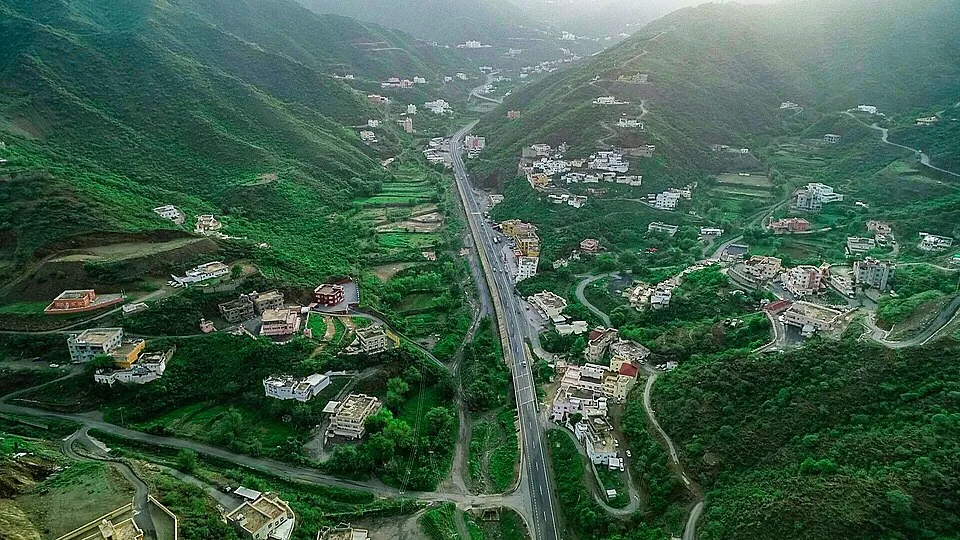

Distinguish exterior architecture and interior decoration
The exterior and the interior may tell related but different stories. Where an authorised interior visit is available, notice the arrangement of rooms, light and decorated surfaces. Read the interpretation and ask whether the display represents the particular building's history, a broader tradition or a contemporary presentation. Preserve that distinction in a caption.
The Al-Qatt Al-Asiri guide introduces a living decorative tradition associated with Asir. Do not label every colourful geometric surface as a verified historic example without the site's explanation. Ask about the practitioner, setting and work where information is provided. A pattern deserves more than a generic description of colourful Saudi design.
Respect interior rules and private areas. A door left open is not permission to enter, and a resident's daily space is not automatically a museum. Ask before photographing people or close details where permission is required. A good visit can include careful observation from authorised spaces without crossing boundaries for a more dramatic image.
Compare regional traditions thoughtfully
The At-Turaif architecture guide offers a useful contrast in setting and material. Rijal Almaa's mountain context should remain distinct from Diriyah's historic district. The comparison can enrich understanding of Saudi diversity without reducing both places to one timeless national style.
Likewise, the Najran earthen-heritage guide introduces another regional architectural context. Compare what the sources and visible features actually support: forms, materials and relationships to place. Avoid a simplistic claim that one tradition is more authentic or better adapted unless the evidence and question justify that judgement.
If you keep a sketch or photograph notebook, organise it around one detail at a time. An opening, a corner and a room's decorative band can become prompts for later research. Record which explanation came from the site and which is your own impression. This makes the notes useful without allowing a personal interpretation to become an unsupported fact.
Plan the route and the visit separately
Confirm the actual destination, access and visitor arrangements before travel. A photograph of a village facade does not tell you which entrance to use or which building is open. Mountain journeys also require realistic consideration of road conditions and weather. Verify current information with the appropriate operator or authority rather than relying on an old itinerary.
Leave time for walking, interpretation and rest. Ask about the specific surfaces and changes in level if anyone in the group has a mobility need. A general description of a heritage destination cannot establish that every route is accessible. Give the operator a clear account of the need so the response concerns the intended visit.
If the plan includes Abha, read the Abha climate guide. Conditions and elevation can differ across a regional journey, so do not assume the same experience at every stop. Use current forecasts and a flexible schedule. This article does not promise a fixed travel time or a particular weather condition.
Take away a place-specific story
After visiting, write a short account that names the place, the authorised spaces explored and one feature understood through interpretation. Include any uncertainty rather than filling it with a familiar anecdote. An accurate description of a stone facade and its setting can be more valuable than a sweeping claim about centuries of unchanged life.
Rijal Almaa rewards attention to the relationship between architecture, decoration and mountain landscape. A considered visit respects private spaces and distinguishes visible form from documented history. That approach creates a richer understanding of Aseer and keeps the buildings connected to the people and setting that give them meaning.
Sources and review
- official Visit Saudi Aseer guide — reviewed 29 September 2026. Official primary context. Practical methods and fictional scenarios are original editorial analysis; no current market quotation is asserted.