
Abha Summer Climate: Plan for Mountain Conditions
Plan an Abha summer visit using mountain-climate context, current weather, realistic routes and flexible outdoor activities.

Prepare for the mountain setting
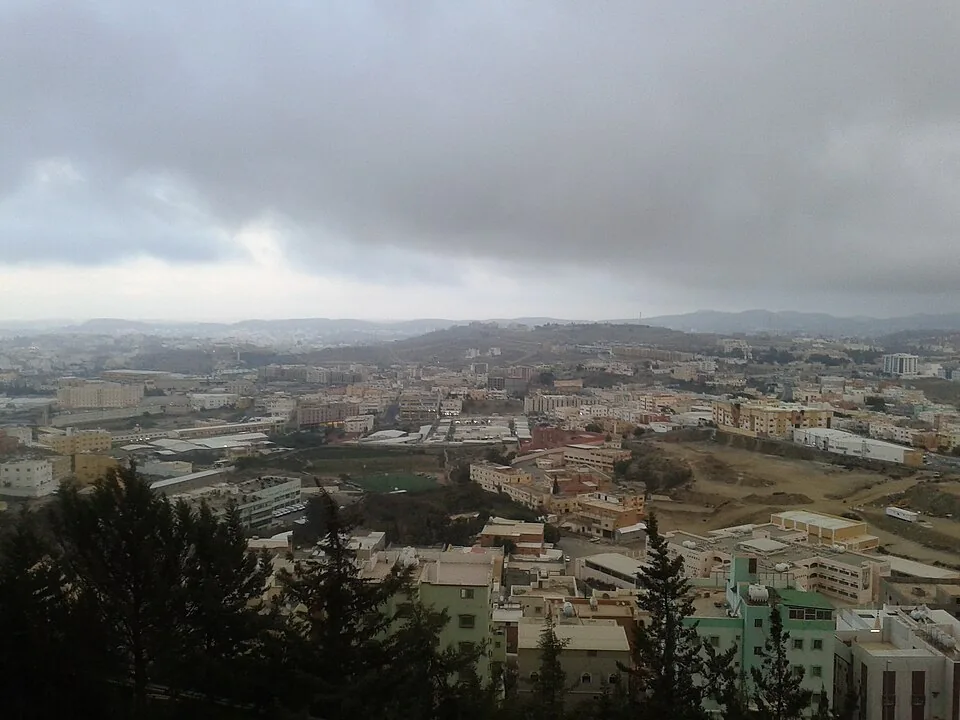
Abha's summer climate should be planned around its mountain setting and current conditions, rather than a general image of Saudi Arabia as uniformly hot and dry. A visit can involve changing cloud, rain and visibility as well as outdoor time. The practical question is what conditions are expected along your actual journey and activities, not whether one city is always cooler than another at every hour.
The National Center for Meteorology's climate overview identifies the southwest as an important exception within the Kingdom's broad dry-climate pattern and explains the interaction of summer rainfall with regional circulation and terrain. This is climate context, not a forecast for your travel date. Check the latest official forecast and alerts before departure and again before outdoor activities.
Distinguish a seasonal pattern from today's forecast
Climate describes patterns over time; weather describes the conditions you need to manage today. A photograph of a green mountain slope does not tell you whether a road will be clear tomorrow. Likewise, an account of a sunny visit cannot establish that rain is unlikely throughout your planned stay. Keep seasonal expectations and current forecasts separate when packing and choosing activities.
The Aseer Region guide provides broader geographic context. Abha is one part of that landscape, while journeys into surrounding terrain may involve different exposure and visibility from the city itself. Review each destination rather than extending one city forecast uncritically to every mountain route.
If a weather report provides probabilities, timing or named areas, preserve those distinctions. A regional warning does not necessarily describe the same conditions at every location, but it should not be ignored because your hotel window looks clear. Follow the responsible authorities' and operators' current instructions when they affect your route or activity.

Plan outdoor activities with alternatives
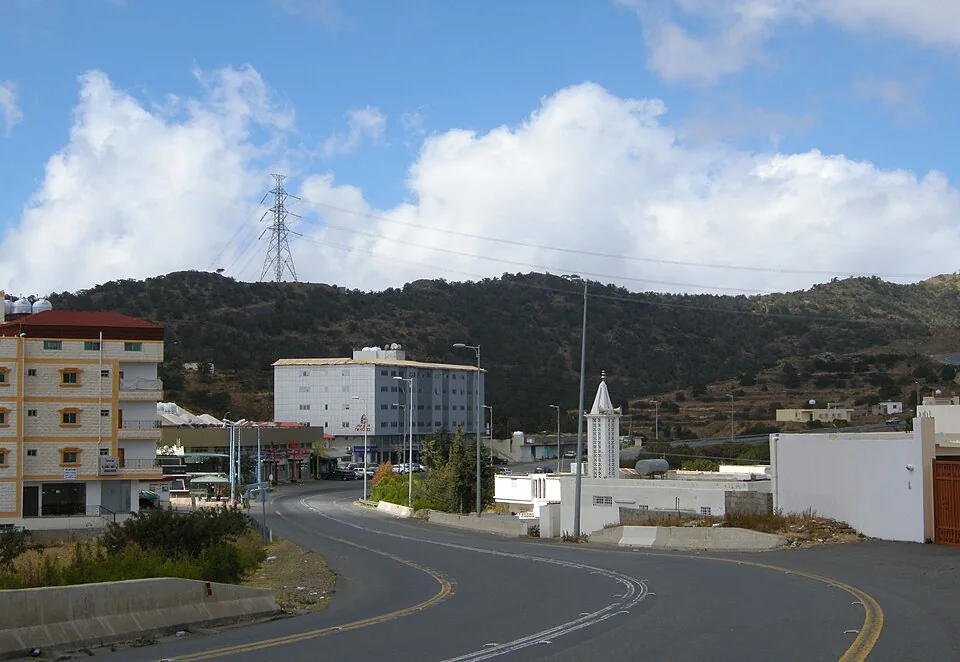
Build flexibility into the day. A viewpoint may depend on visibility, while an authorised indoor cultural visit may provide a different experience if the weather changes. Check that the alternative is actually open on your date rather than assuming every attraction is available whenever an outdoor plan becomes unsuitable. Keep travel and booking conditions in mind when changing the sequence.
For an illustrative itinerary, you might reserve one part of the day for a mountain outing and another for exploring the city, then adjust after checking current conditions. This is a planning structure, not a recommended timetable or promise of a clear-weather window. Your operator and the day's information should determine which activity goes ahead.
The Abha city guide helps distinguish city experiences from wider regional travel. Allow time to enjoy the place rather than trying to visit every surrounding destination in one day. A manageable plan makes weather changes easier to accommodate and gives you more opportunity to observe local life.
Pack for changes in comfort
Choose clothing that can be adjusted as conditions change and bring appropriate protection for the activities planned. Rain preparation and suitable footwear may matter even when the trip is described as a summer holiday. Do not rely on a single temperature figure to decide what the whole group needs; shade, wind, wet conditions and the time spent outside affect comfort too.
Consider the needs of children, older visitors and anyone who requires a specific access arrangement. Ask an operator about the route and facilities rather than assuming a destination suits everyone because a promotional photograph shows a broad viewing platform. Where individual health considerations affect altitude or activity, seek advice appropriate to the person rather than using general travel copy as medical guidance.
Keep drinking water and a realistic rest plan available. These are ordinary preparation questions, not a claim that a cooler setting removes every concern associated with outdoor travel. Know where the group will return if conditions change, and avoid letting the desire for a particular photograph override an operator's instructions.
Treat the journey as part of the visit
Review the road or transport route, not only the destination's weather. Mountain travel can require attention to visibility and current access information. Use the travel and transport guide for the broader planning framework. Confirm pickup points and onward arrangements where you are relying on a driver or organised excursion.
Do not stop in an unsafe place to photograph cloud or a landscape. Use authorised viewing areas and follow road instructions. If a planned destination is closed or the operator changes the route, ask what the revised experience includes. A change made for current conditions should not be interpreted as a permanent statement about all future access.
Compare places using the same date and purpose
If you are comparing Abha with Riyadh for a summer break, use forecasts for the same period and think about the activities you want. The climate and seasons guide provides national context without reducing every region to one label. A place that is appealing for a short holiday may need a different review for year-round living.
Abha's mountain environment offers a different way to experience Saudi Arabia. Its value is clearer when the trip respects local conditions and leaves room for change. Start with the official forecast, plan the actual route and keep a workable alternative. That preparation lets the landscape be part of the experience without requiring a promise of perfect weather.
Sources and review
- National Center for Meteorology, climate of the Kingdom — reviewed 29 September 2026. Primary source for factual context; examples and decision methods are original editorial analysis.