

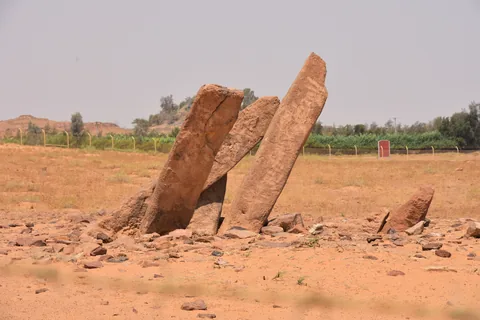
Rajajil Standing Stones: Reading the Evidence
Understand Rajajil near Sakaka through stone groups, dating and burial evidence, with source-linked explanations and thoughtful archaeological observation.

Distinguish Zaabal Castle in Sakaka from Marid Castle in Dumat al Jandal, with accurate image subjects and thoughtful Al Jawf travel planning.
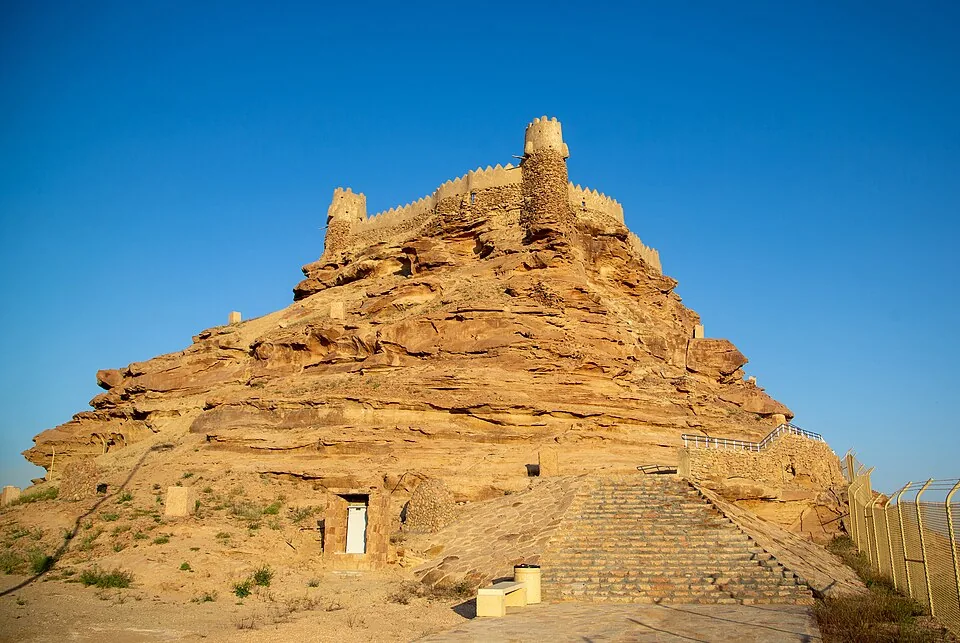
Zaabal Castle in Sakaka and Marid Castle in Dumat al Jandal are distinct heritage destinations in Saudi Arabia's Al Jawf Region. Keeping their names and locations clear improves both the itinerary and the story. A photograph of one should not illustrate the other without explanation, and a broad regional tour should not be assumed to include both. Plan each visit around its current access and interpretation.
Saudipedia's list of Al Jawf castles identifies Zaabal with Sakaka and Marid with Dumat al Jandal. The Saudi Press Agency's Marid Castle report, dated 22 August 2022, provides historical destination context. These sources establish location, not today's opening hours or a new event. Check current operator information before travelling.
Ask for the exact site and meeting point when booking transport or a guided visit. English spellings can vary, so connect the name with the location rather than deciding that two different destinations must be the same because both are described as castles in Al Jawf. Keep the booking's site list and route available to everyone travelling.
The Al Jawf Region guide gives broader orientation, while the Sakaka city guide focuses on the city associated with Zaabal. Dumat al Jandal needs its own destination and travel arrangements. A regional map is useful for context but does not establish how long the actual journey will take.
If a plan includes several cultural sites, confirm what is included and what remains optional. An exterior stop, guided interior visit and museum experience are different activities. Do not promise one from a booking that specifies another. Ask about access requirements and facilities relevant to the group before assigning a fixed time to each stop.
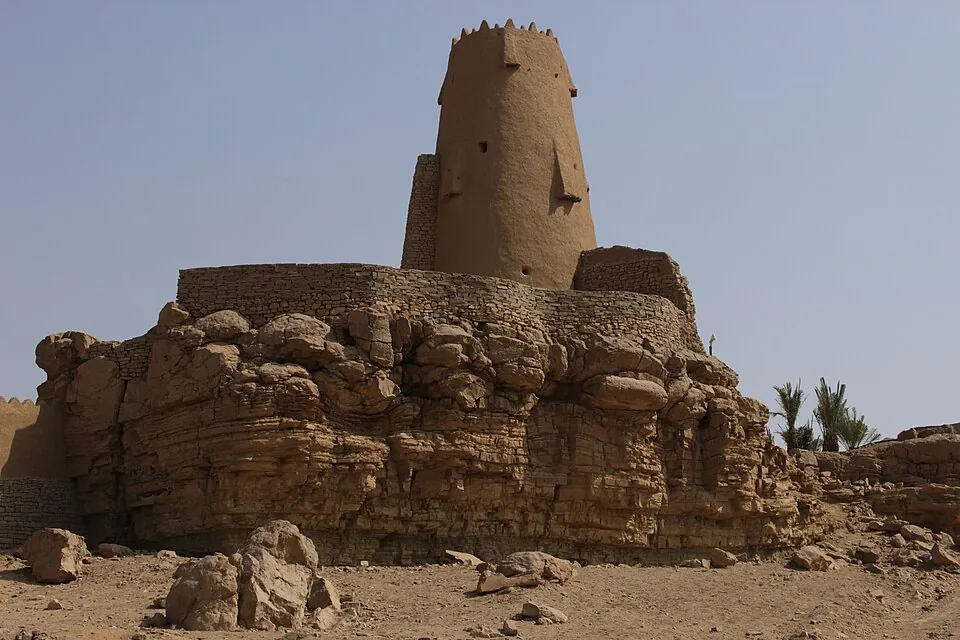
From an authorised area, look at the relationship between the structure and surrounding settlement or terrain. Notice approach routes, height and views without assuming those observations alone establish the building's original defensive function or date. A guide can connect visible form with evidence, while your own impressions can remain clearly labelled as impressions.
Use a broad photograph to preserve the castle's setting and a detail photograph, where allowed, to record a feature discussed during the visit. Keep the correct name with each image. The Zaabal and Marid photographs accompanying this article have separate subjects and rights records; they are not two views of one building.
Avoid treating every visible surface as original material from one period. Historic structures can contain repair, adaptation and different phases. Ask the site's interpreter what is documented and how current presentation relates to the surviving fabric. A neat surface does not automatically establish recent construction, just as a weathered one cannot be dated by appearance alone.
Ask a small number of precise questions: which parts are supported by records, what changes are known and how the site relates to the surrounding place. This gives a clearer account than collecting an impressive but unverified age for the whole castle. If a date or legend is important, request the source and distinguish traditional accounts from documented conclusions.
Do not infer a complete regional history from one building. A castle can open questions about settlement, movement and authority, but those questions need a wider evidence base. Keep the visit focused on what the particular site helps explain. Comparing two places can enrich the picture without turning their differences into a competition over which is older or more authentic.
If no guide is available, use verified signage and official sources, then leave uncertain points open. It is acceptable to write that you observed a feature without knowing its exact period. Travel writing becomes more trustworthy when it does not invent historical certainty to fill a gap in the visit.
Check whether the route involves steps, uneven surfaces or restricted areas, and ask for specific accessibility information if needed. A distant photograph cannot show the full visitor route. Respect barriers and staff instructions; do not climb walls or enter closed spaces to recreate an image found online.
The climate and seasons guide gives broad seasonal context. Use current weather and the site's instructions for the actual day, considering how much time the group will spend outside. Plan drinking water, appropriate clothing and breaks around the chosen activity rather than a generic desert-trip stereotype.
Use the travel and transport guide to coordinate the wider journey. Confirm pickup, onward travel and return arrangements, especially if you are combining Sakaka and Dumat al Jandal in one trip. Leave room for a slower pace or an access change instead of assuming a tightly timed list can always be completed.
Record the site name, location, date, what was accessible and the source of any historical explanation. Separate personal observations from verified facts. A short accurate account of each place is more useful than a blended castle story that makes it impossible to tell which feature belongs where.
Al Jawf's heritage becomes easier to appreciate when its destinations retain their identities. Visit Zaabal as part of Sakaka's setting and Marid as part of Dumat al Jandal's, use current access information and give each place time. The comparison then enriches your understanding of the region without confusing the evidence or promising an experience that has not been confirmed.
Explore About Al Jawf Region, Saudi Arabia
Understand Rajajil near Sakaka through stone groups, dating and burial evidence, with source-linked explanations and thoughtful archaeological observation.
0 properties selected