

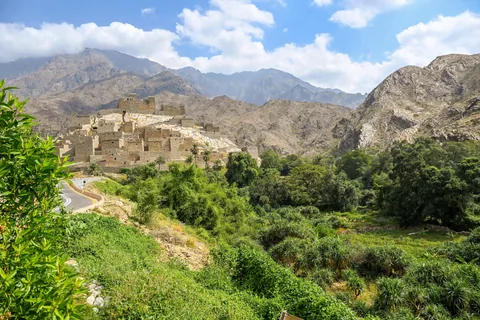
Dhee Ayn Heritage Village: Stone, Water and Landscape
Read Dhee Ayn heritage village in Al Baha through its stone houses, rocky ridge and water landscape, with clear heritage status and thoughtful visitor checks.

Plan an Al Baha forest outing around the actual route, terrain, weather, group needs and current destination arrangements.
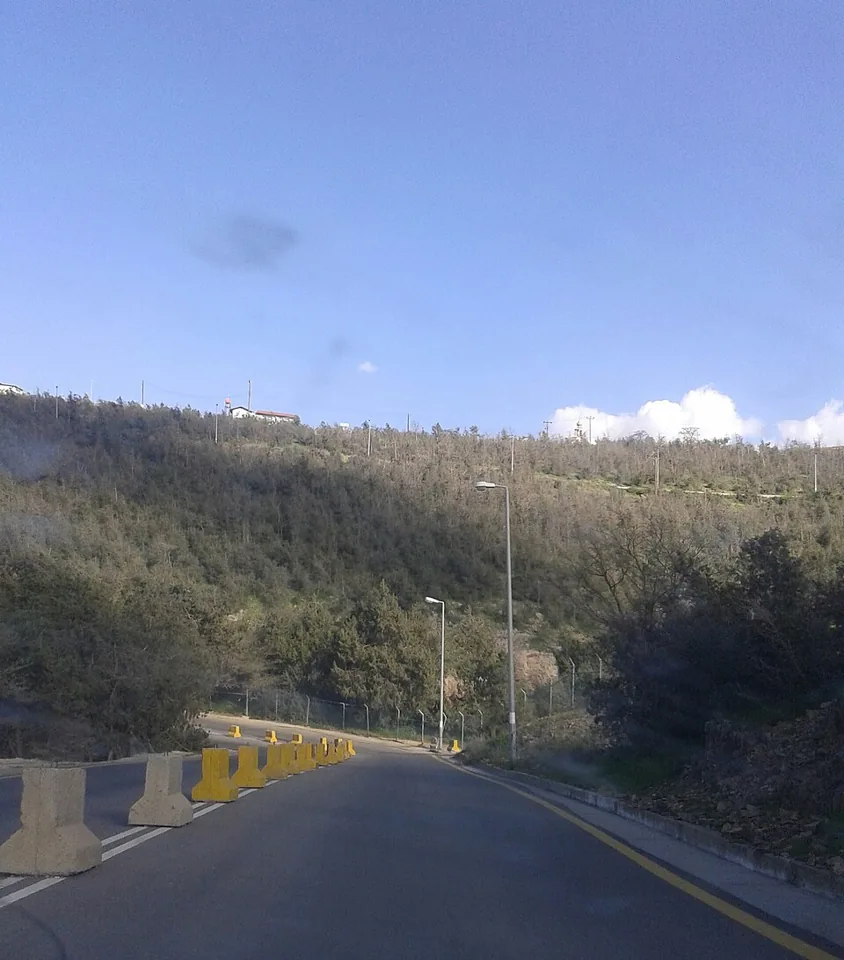
An Al Baha forest visit should begin with a specific destination and a route suited to the group. Forest park, roadside viewpoint and a longer walk are different experiences. A green photograph does not establish the distance, surface, weather or facilities you will encounter. Plan the actual outing rather than assuming every place described as forest offers the same convenient family visit.
Visit Saudi's Raghadan Forest page identifies one official destination in Al Baha. Use its current visitor information and confirm arrangements that matter to you. Start with the Al Baha Region guide to place the stop within a wider journey, while keeping the park, city and mountain landscape clearly distinguished.
Decide what you want from the outing: a short pause among trees, a picnic in an authorised area or a defined walking route. Write down the needs of children, older companions and anyone with limited mobility. A viewpoint with parking nearby may serve a different group from an uneven route that requires sustained walking. Neither is automatically the better experience.
Ask the responsible operator about the actual path and facilities. A general description of a nature destination does not establish step-free access, available toilets or seating at every point. Describe the need precisely when seeking information. For a wheelchair user, for example, the route from the arrival area matters as much as the existence of an accessible facility somewhere inside.
Choose a realistic duration and leave room for rest. Avoid treating a forest stop as a guaranteed quick addition between several distant destinations. Travel, arrival and the group's walking pace all affect the day. This guide does not quote a universal journey time or promise that a particular attraction will remain open at the time of your visit.
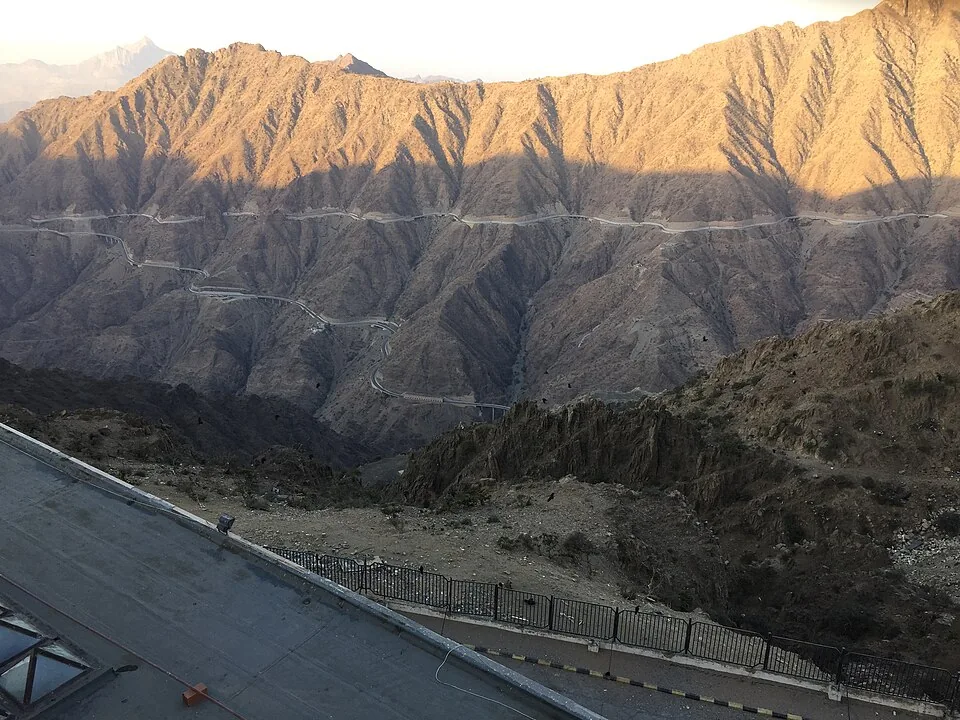
Notice how trees, slopes and paths relate to one another. A route can move from a sheltered area to a more exposed viewpoint within a short distance. Look at the surface you will actually use and follow authorised routes. Do not climb a barrier or step onto an uncertain edge to reproduce a photograph found online.
If you want a longer walk, obtain information appropriate to that route from a competent local source. A park visit and an unmarked mountain outing require different planning. A map line is not evidence that a route is open, easy or suitable for your group. Confirm current access and conditions before relying on it.
Compare the terrain with the Al Hada and Taif mountain guide. Both can involve mountain settings, but they are distinct destinations with different routes. Use the comparison to ask better questions about transport and walking, rather than assuming the same road experience or facilities apply across regions.
Check the forecast and any relevant official notices shortly before travel. A seasonal destination description cannot establish conditions on the day. Visibility, rain and wind can alter the suitability of exposed routes. Preserve an alternative plan and be willing to shorten the outing where the actual conditions do not suit the group.
For wider highland context, read the Abha climate guide. Al Baha and Abha should remain geographically distinct. A useful comparison recognises that mountain travel deserves current local information rather than a blanket assumption of cool, comfortable weather everywhere in summer.
Plan clothing and supplies for the actual duration and expected conditions. Keep the arrangement practical: water, needed personal items and a way to communicate with companions. Avoid creating a more ambitious itinerary merely because a photograph shows clear skies. The aim is a comfortable outing whose route and conditions you understand, not a checklist completed regardless of circumstances.
Use designated areas for food, rest and any permitted activities. Verify rules about fires, camping or equipment directly; this article does not grant permission for them. Keep waste with you where appropriate and avoid damaging plants or disturbing animals. A nature destination remains a shared place even when a particular corner appears empty.
Observe wildlife from a respectful distance and follow the responsible authority's guidance. Do not feed or approach an animal for a close photograph. The presence of other visitors doing something does not establish that it is permitted or wise. Explain these boundaries to children before the outing so the visit does not depend on correcting them only after a problem arises.
If taking photographs, identify the actual place and feature. A city view in Al Baha is not a photograph of a forest route, and a mountain slope should not be labelled as a particular park without evidence. Accurate captions help the next reader form realistic expectations. Separate a historic image date from information verified for a current visit.
Choose an additional stop that adds a different experience rather than duplicating the same viewpoint repeatedly. A heritage visit or a town walk can complement nature, provided the access and timing are realistic. The Rijal Almaa architecture guide offers an example from another region; treat it as a separate trip or a deliberately planned wider itinerary, not a nearby casual extension.
Afterwards, keep a simple note of the route used, weather and facilities actually available. That can help you plan a return visit without turning one day's experience into a permanent guarantee. An Al Baha forest outing becomes more rewarding when attention to landscape is matched by accurate destination planning, respect for the site and a pace that suits the people sharing the day.
Explore About Al Baha Region, Saudi Arabia
Read Dhee Ayn heritage village in Al Baha through its stone houses, rocky ridge and water landscape, with clear heritage status and thoughtful visitor checks.
0 properties selected